Mud Non Landing System/Drilling Waste Treatment System

Customization: Available
After-sales Service: 7days 24 Hours
Warranty: 1 Years

Product Description

Overview & Basic Info

Model NO.
HD series
Certification
CE, ISO 9001:2000, ISO 9001:2008
Power Source
Electric
Operation Pressure
Atmospheric Pressure
Material
Cast Steel
Type
Mud Non Landing System
MOQ
1 Set
Color
Custom
Processing Capacity
Custom
Production Capacity
2000 Sets/Year

Product Description

⚙️
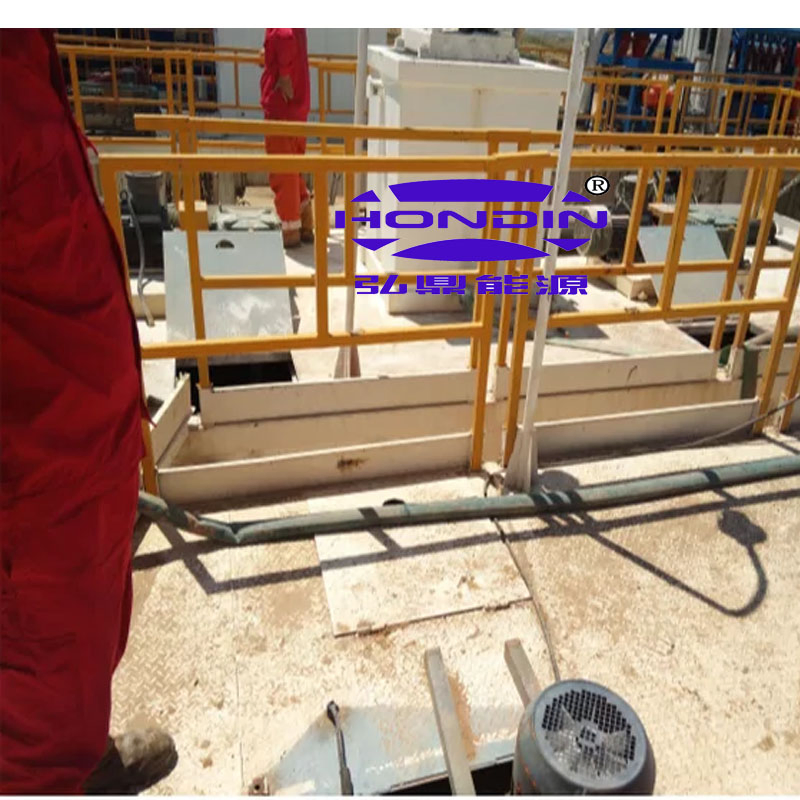
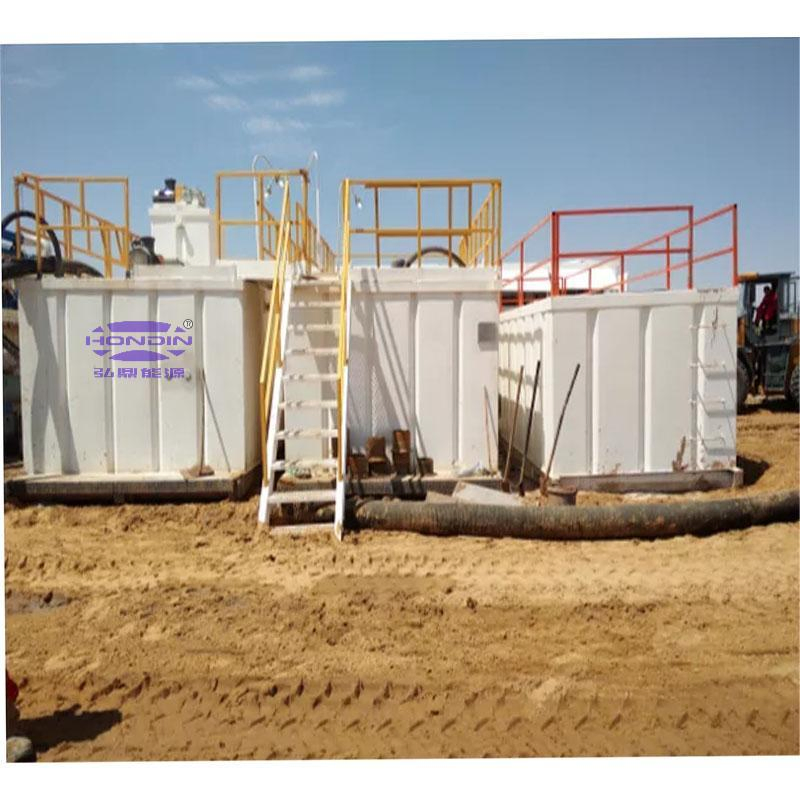
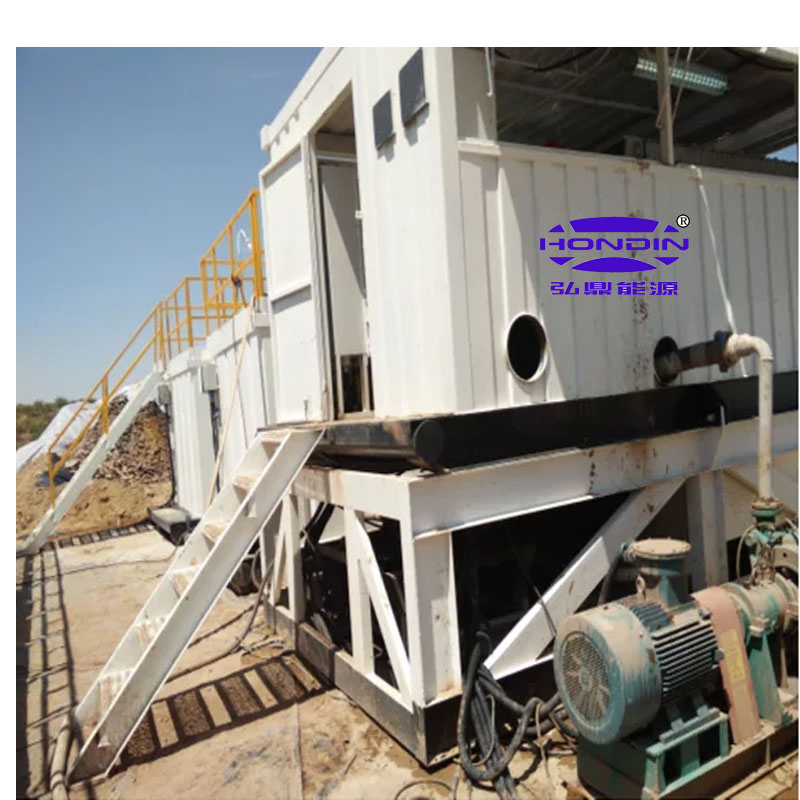
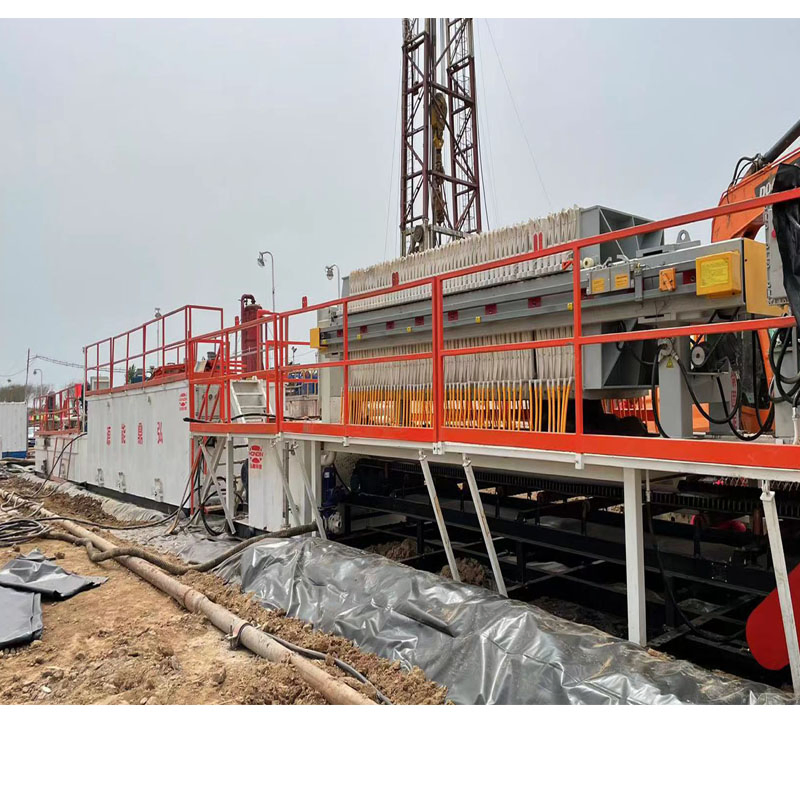
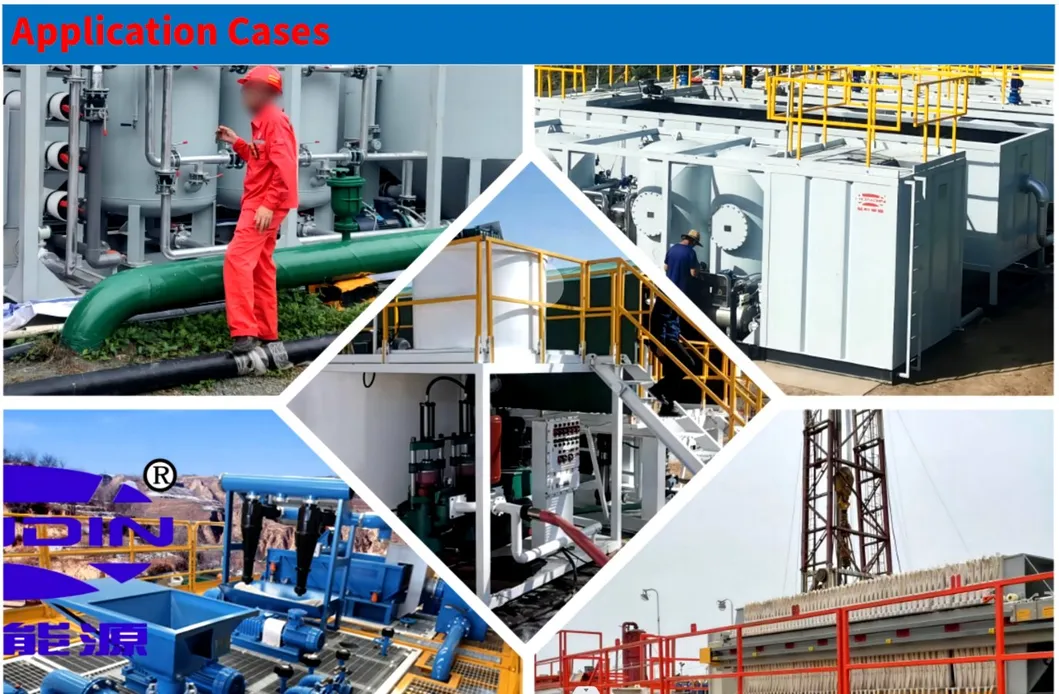
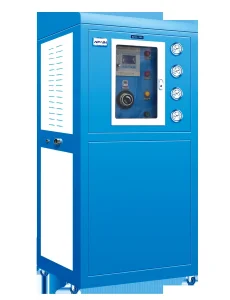
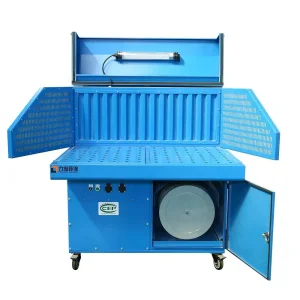
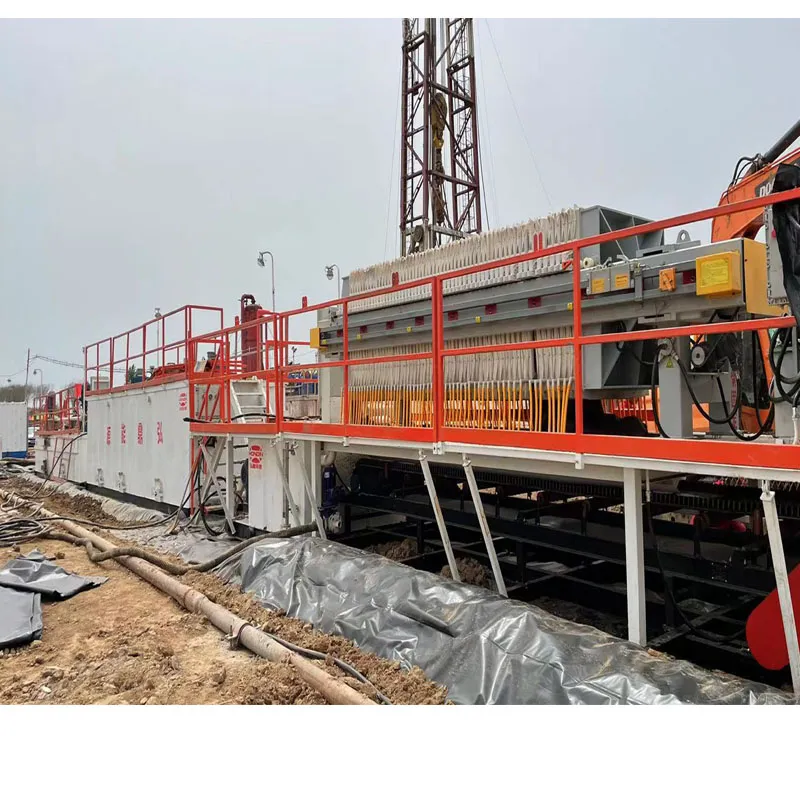
Definition Mud non-landing is a common name for equipment suspension treatment, also known as equipment liquid non-landing. It refers to the use of mud non-landing equipment to screen out the suspension in the equipment liquid. This system generally includes drying screens, cuttings dryers, filter presses, water pump centrifuges, pipeline machines, and cuttings boxes.
🎯
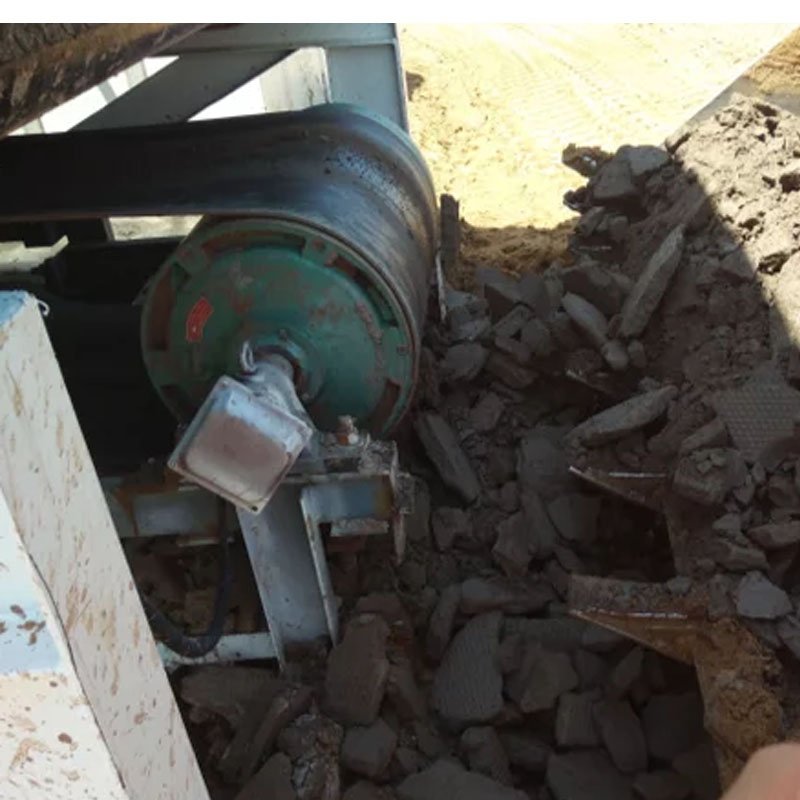
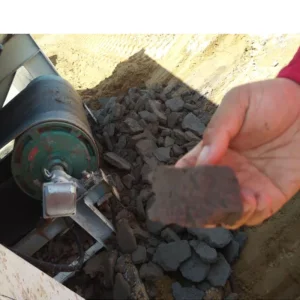
System Purpose The main purpose of the mud non-landing system is to solidify and process drilling waste so that it can be quickly transported to a designated location for environmental protection treatment and recycling after construction.
🛠️
System Categories & Equipment

According to the type of drilling fluid mud, the system is divided into two categories:

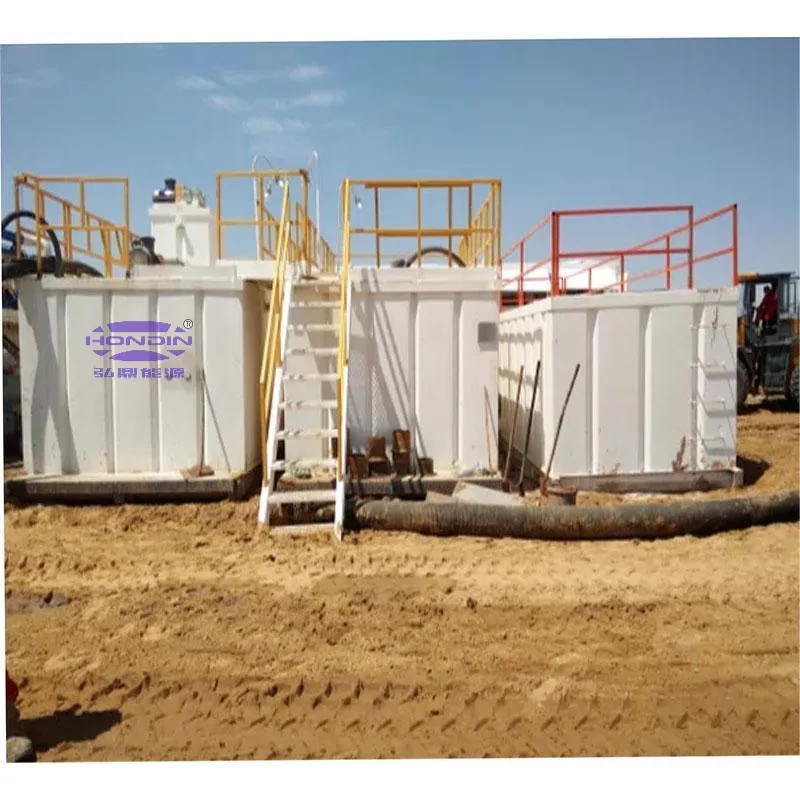
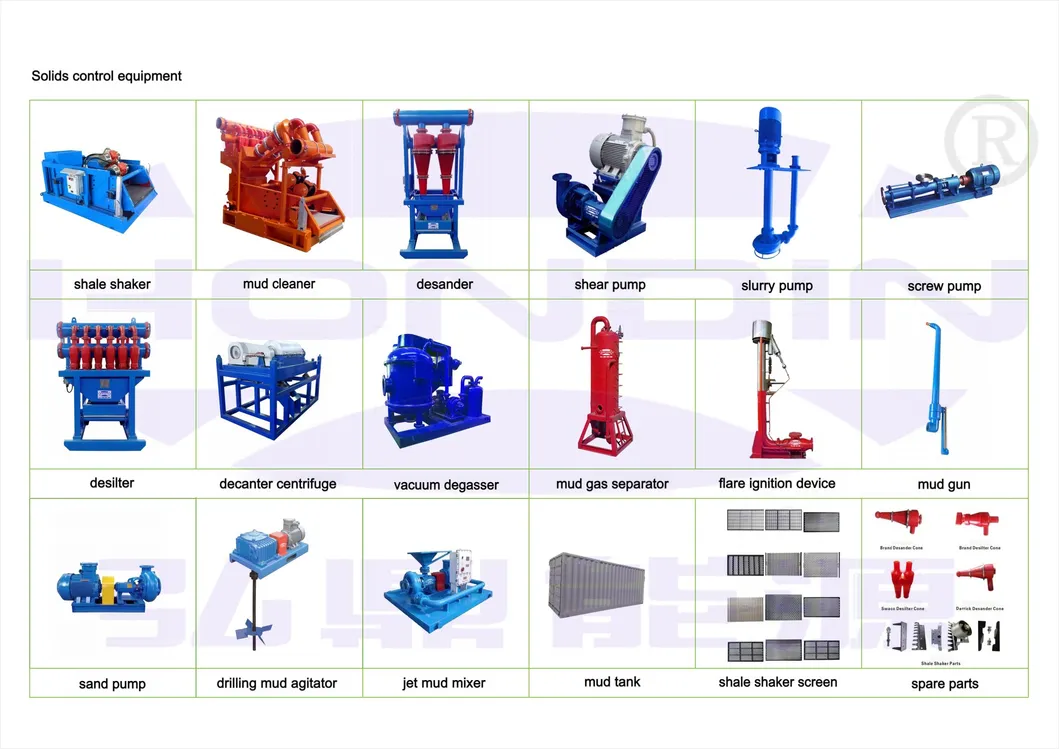
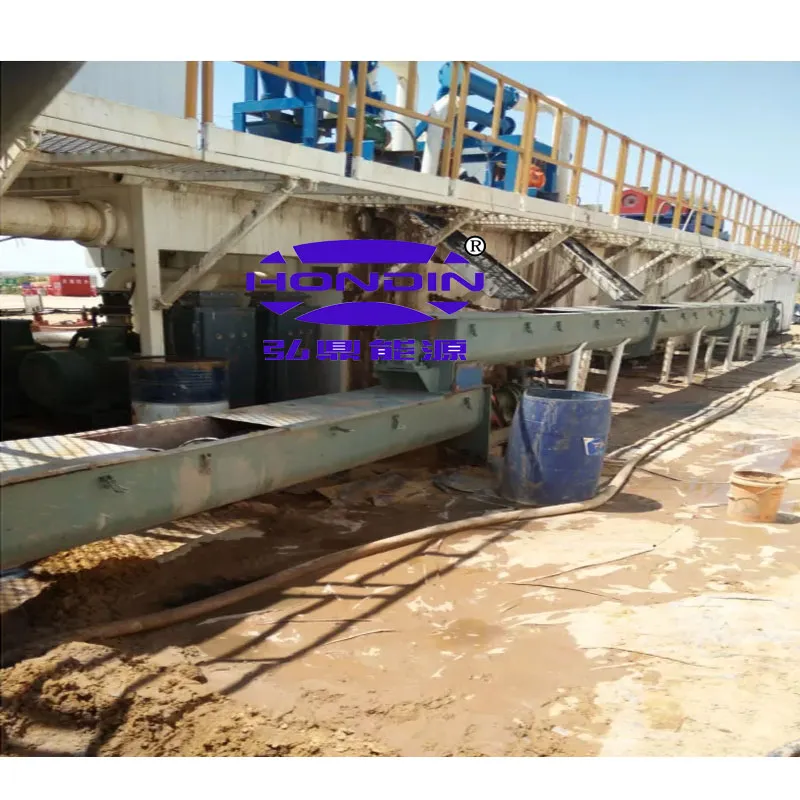
Water-based mud system: High-speed centrifuge, drying screen, hydraulic filter, screw conveyor, dosing unit, mud tank, and cuttings box.

Oil-based mud system: High-speed centrifuge, cuttings dryer, dosing device, screw conveyor, and cuttings box.

🔄
Handling Process

Water-based process: Mud is transported to the drying screen → enters centrifuge via screw pump → treated mud reinjected for recycling. Solid waste goes through filter press via screw conveyor → cuttings box for disposal.

Oil-based process: Mud is transported to the cuttings dryer → processed mud goes to centrifuge → final liquid reinjected into mud circulation system → waste sent to cuttings bin.
Detailed Photos

Frequently Asked Questions

What is a Mud Non-Landing System?
It is a specialized waste management setup used in drilling operations to separate solids from liquid mud, preventing environmental contamination and allowing for the recycling of drilling fluids.
What are the primary benefits of using this system?
The primary benefits include environmental protection, significant reduction in waste volume, recovery of expensive drilling fluids, and easier transportation of solidified waste.
Can the system handle both water-based and oil-based mud?
Yes, there are specific configurations for both. Water-based systems often use filter presses, while oil-based systems utilize vertical cuttings dryers for efficient oil recovery.
Is the processing capacity customizable?
Yes, the system is modular and the processing capacity can be customized based on the specific drilling depth, mud flow rates, and environmental requirements of the project.
What main equipment is involved in the process?
The system typically integrates high-speed centrifuges, drying screens, vertical cuttings dryers, screw conveyors, and waste collection boxes.
How is the solidified waste handled after treatment?
After the separation process, the solid materials are moved via screw conveyors to cuttings boxes, which are then transported to designated locations for final environmental treatment.

Related Products