Deploying micro-machined, high-performance surgical incision tools designed for critical clinical applications, from micro-ophthalmic procedures to complex vascular surgeries across Namibian medical infrastructure.
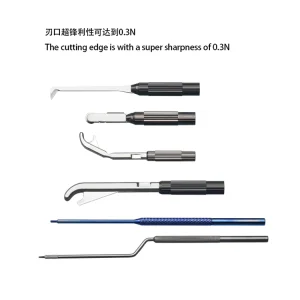
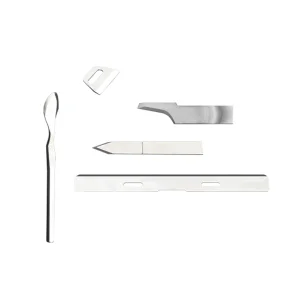
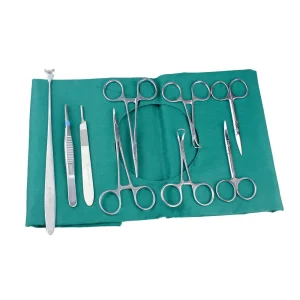
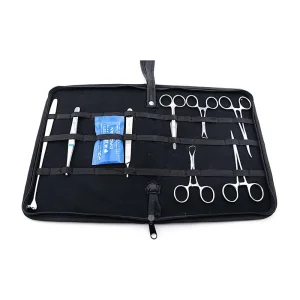
Namibia is witnessing a significant transformation in its healthcare infrastructure. Led by the Ministry of Health and Social Services (MoHSS) and guided by the National Health Policy Framework, the nation is aggressively modernizing public and private clinical institutions. Major referral hospitals, such as the Windhoek Central Hospital and Katutura State Hospital, along with regional clinics in Swakopmund, Walvis Bay, and Oshakati, are scaling up surgical capacities to match global standards.
A key bottleneck in this growth has been the reliable sourcing of high-integrity, sterile surgical consumables and incision tools. Due to geographic isolation, medical facilities in Southern Africa face prolonged lead times, inflated middleman pricing, and supply chain disruptions. By positioning direct import pipelines from advanced manufacturers, Namibian hospitals and distributors can secure high-grade clinical tools that adhere to rigid European CE and ISO certification parameters, while substantially reducing operational procurement costs.
To qualify for procurement tenders within the Southern African Development Community (SADC), surgical products must clear rigid evaluation steps. Suppliers must demonstrate verified biocompatibility, reliable sterilization validation reports (primarily Ethylene Oxide - EO sterilization), and corrosion resistance parameters for both carbon steel and stainless steel formulations.
Seeker Medical's global compliance framework ensures that all surgical suture needles, blades, scalpels, and specialized cardiovascular punches exported to Namibia are ready for immediate clinical onboarding and NMRC (Namibia Medicines Regulatory Council) notification.
A surgical incision tool is only as reliable as the metallurgy and structural engineering behind its manufacturing. For clinical applications ranging from micro-incision ophthalmic surgery to deep-tissue abdominal entry, the tool must offer optimal sharpness, mechanical toughness, and complete resistance to localized pitting corrosion.
Modern surgical blades leverage Martensitic Stainless Steel (typically Grade 420 or 440), enriched with carbon, chromium, and molybdenum. This specific chemical composition allows the blade to undergo heat treatment to achieve a Rockwell Hardness (HRC) exceeding 50. High hardness is essential to prevent edge deformation during contact with dense fascial layers. Furthermore, micro-polishing techniques, such as electro-chemical deburring, are utilized to eliminate micro-burrs along the cutting edge, reducing the coefficient of friction and minimizing tissue tearing (trauma) during initial incision entry.
At Nanjin Seeker Medical Co., Ltd., we have spent nearly two decades refining our automated manufacturing processes. Traditional surgical tool manufacturing relied heavily on manual sharpening and manual assembly of needles to suture materials. This manual dependency introduced structural inconsistencies, leading to variations in needle-to-suture attachment strength and micro-defects in blade tip geometry.
By investing heavily in automated grinding machines, robotic suture-swaging terminals, and integrated inline vision monitoring systems, we ensure that every single batch of surgical incision tools maintains uniform tolerances. For Namibia's clinical buyers, this translates into zero-defect consistency and clinical safety they can depend on during highly critical surgical procedures.
Sourcing surgical incision tools directly from our automated production facilities in China eliminates the complex layer of distributors, agents, and sub-distributors that typically inflate medical device costs in the Southern African market. This direct-to-manufacturer model guarantees complete pricing transparency and unlocks significant cost advantages for public tender bids and private hospital purchasing groups alike.
Additionally, our high-volume capacity allows us to maintain a continuous buffer stock of key raw materials, sheltering our global clients from supply spikes. Whether shipping via air freight to Hosea Kutako International Airport or sea freight to the Port of Walvis Bay, we guarantee streamlined logistics coordination, complete customs documentation, and rapid manufacturing lead times.
Clinical scenarios in Namibia demand highly specialized incision and excision technologies. From municipal public health initiatives to remote rural clinics, surgical tools must perform reliably under varying operational settings.
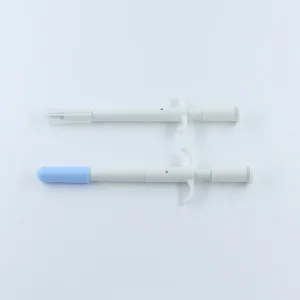
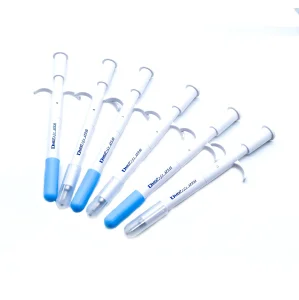
Namibia's national health strategy places significant emphasis on Voluntary Medical Male Circumcision as a key pillar in the prevention of HIV/AIDS. These campaigns demand massive quantities of highly reliable, single-use, sterile circumcision devices. Our disposable circumcision tools are specifically designed for rapid, clean, and bloodless procedures, reducing postoperative recovery times and limiting wound-infection rates in rural and urban community health clinics alike.
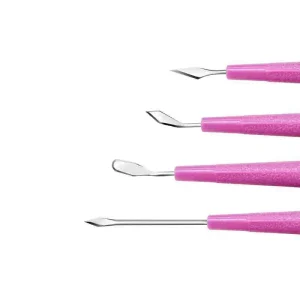
Ophthalmic surgeons working under mobile outreach camps in northern Namibian regions (such as Oshana, Ohangwena, and Kavango) perform hundreds of cataract extractions weekly. To prevent surgical complications and ensure optimal patient visual outcomes, these procedures require micro-precision blades, such as the 15-degree ophthalmic steel knives and MVR knives. Our disposable ophthalmic range provides clean corneal incisions that promote sutureless self-sealing wound margins.
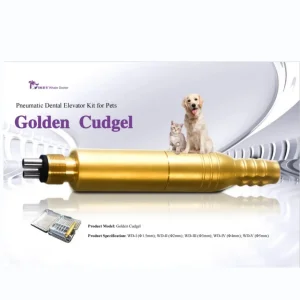
As an economy deeply rooted in agriculture and wildlife tourism, veterinary services are a cornerstone of Namibian infrastructure. Mobile veterinary units operating across vast rural farmlands require highly durable, cost-effective scalpel handles, blades, and veterinary dental extraction instruments. Our high-grip pet dental tools and general scalpel blades are built to handle tough animal hides and bone structures, offering long-lasting sharpness in challenging field conditions.
The global medical community is progressively transitioning away from traditional reusable surgical instruments toward single-use, sterile alternatives. The core driver behind this trend is the elimination of cross-contamination and Healthcare-Associated Infections (HAIs). In developing and emerging healthcare sectors, the energy, water, and chemical costs associated with running centralized sterilization departments (CSSDs) can be financially draining.
Single-use surgical tools, pre-sterilized via Ethylene Oxide (EO) gas, bypass the need for hospital-based autoclaving. This ensures that every surgical procedure begins with a factory-calibrated, perfectly sharp, and guaranteed sterile cutting edge. For Namibian rural district hospitals with limited access to reliable steam autoclaves, this transition represents a massive leap forward in patient safety and operational efficiency.
Modern surgical innovations are not limited to blade sharpness; they also focus heavily on the safety of the clinical operator. Accidental scalpel cuts and needle-stick injuries expose healthcare workers to bloodborne pathogens such as Hepatitis B, C, and HIV. High-performance global facilities are increasingly implementing safety-engineered scalpels with retractable shields or single-use mechanisms that render the blade inert post-procedure. Seeker Medical integrates safety-conscious design protocols across its entire product lineup to safeguard both patient and practitioner.
Established in May of 2004, Nanjin Seeker Medical Co., Ltd. is a professional manufacturer specialized in research, development, production of surgical sutures and surgical needles, All of our products comply with international and interior quality standards, and are approved Production license, CE, ISO13485, ISO14001, ISO45001cerificates.
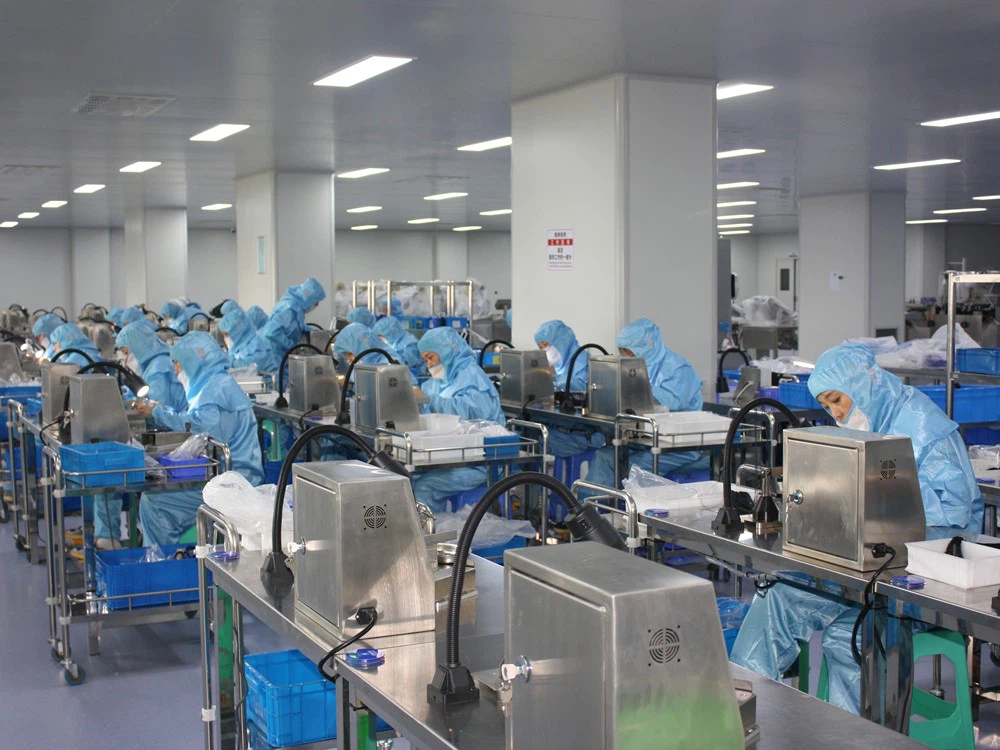
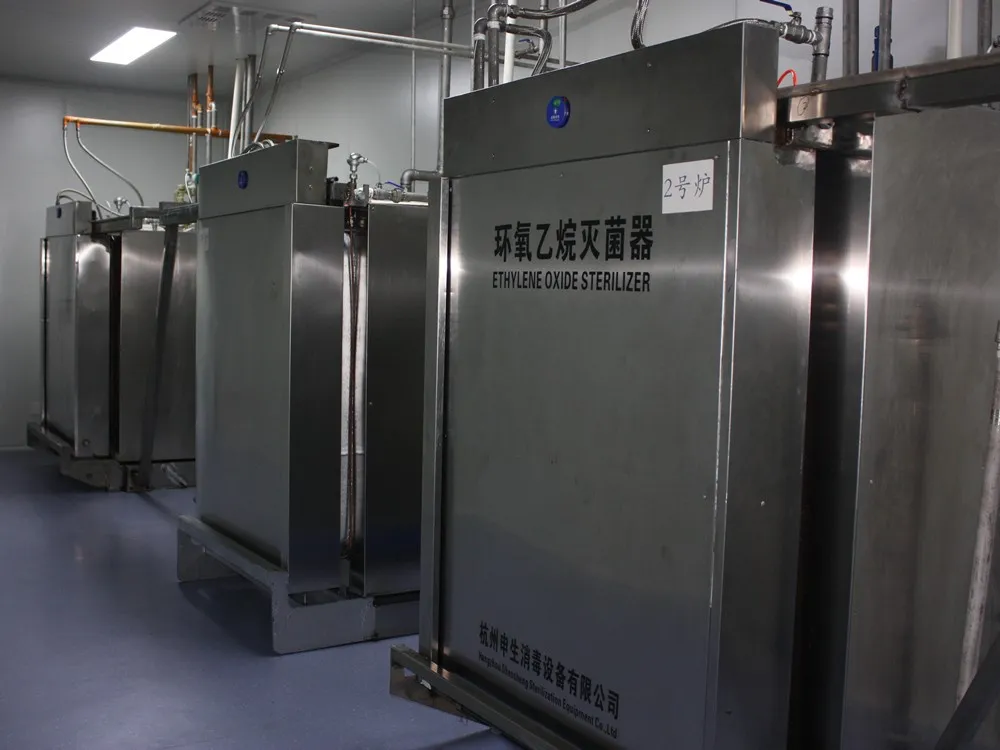
We insist on the quality policy of modern techniques, excellent quality, customers satisfaction. We attach great importance to the development and application of new technology, so far, we have obtained 29 new invention patents, we have realized the automatic transformation of the production process. And we are greatly appreciated in variety of different markets throughout the world.
All staffs in our company welcome every friend from home and abroad. Let us make more efforts for human health career.
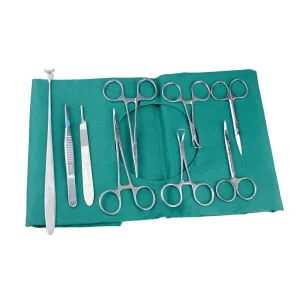
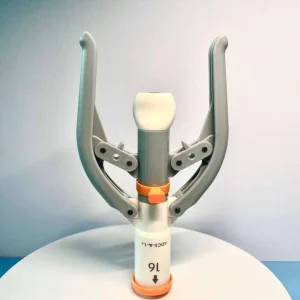
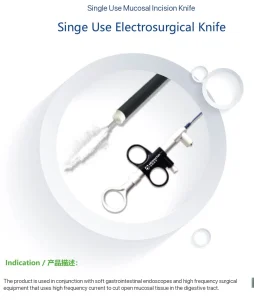
Explore our extended range of CE-marked, hospital-grade surgical cutters, veterinary tools, and specialized cardiovascular punches tailored for demanding medical and veterinary fields.
 Seeker Medical