Engineered for immediate trauma response, diagnostic sterility, and protective barrier controls in Antananarivo and major port clinics.
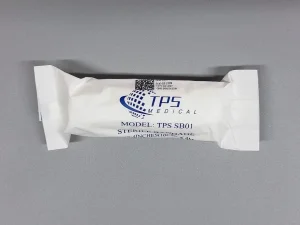
TPS Medical Premium Sterile Bandage, Mdr CE, Environmentally Friendly Packaging, Recyclable Length 4m - Madagascar Supply Line Request Specifications
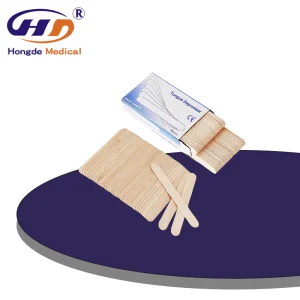
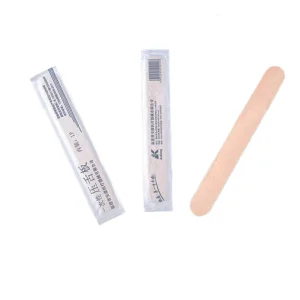
HD9 - Medical Packaging Sterile 150 * 18 * 1.6mm Wooden Disposable Tongue Depressor - Localized Clinical Pack Request Specifications
Madagascar's healthcare landscape, overseen by the Ministère de la Santé Publique, is undergoing systemic modernization. With major healthcare facilities like the Centre Hospitalier Universitaire (CHU) Joseph Ravoahangy Andrianavalona (HJRA) in Antananarivo and regional hospitals in Toamasina, Mahajanga, and Antsiranana scaling up surgical procedures, the containment of Nosocomial Infections—specifically Surgical Site Infections (SSIs)—has emerged as a key clinical objective.
Unlike highly controlled Western hospital environments, clinics in Sub-Saharan island nations must contend with severe meteorological challenges. The tropical climate of Madagascar, characterized by extreme humidity in the eastern rainforest belts (Toamasina) and significant temperature variations in the highlands (Antananarivo), demands sterile packaging materials that prevent moisture intrusion and structural degradation. Standard commercial paper packaging often loses integrity under high relative humidity, rendering the medical device contaminated before clinical use. The transition to high-barrier sterile medical packaging is not just a regulatory trend; it is a clinical safety imperative for Madagascar's medical distribution networks.
Global procurement directors supplying medical resources to Madagascar face substantial freight and distribution friction. Shipping transit times to the Port of Toamasina can extend to 30–60 days, followed by secondary land transit over challenging roads (such as the RN2) to regional distribution hubs. Consumables must endure long container dwell times under high heat and marine salinity.
To prevent micro-perforations, mold formation, and package rupture during transit, medical consumables must be sealed in high-performance materials such as medical-grade Tyvek (1073B/1059B) or heavy-duty medical dialyzing paper combined with multi-layer co-extruded films. As a leading manufacturer and exporter, we design our outer master cartons and sterile packaging systems to withstand these specific transport conditions, complying with ASTM D4169 standards for distribution simulation.
A Legacy of Scientific Precision, Automated Manufacturing, and Global Regulatory Approvals Since 2004
Established in May of 2004, Nanjing Seeker Medical Co., Ltd. is a professional manufacturer specialized in research, development, and production of surgical sutures, surgical needles, and sterile packaging medical consumables. Our corporate philosophy is anchored on a rigid three-pillar framework: modern techniques, excellent quality, and customer satisfaction. Over the past two decades, we have continuously advanced our production technology, securing 29 new invention patents and executing complete automated transformations of our manufacturing processes.
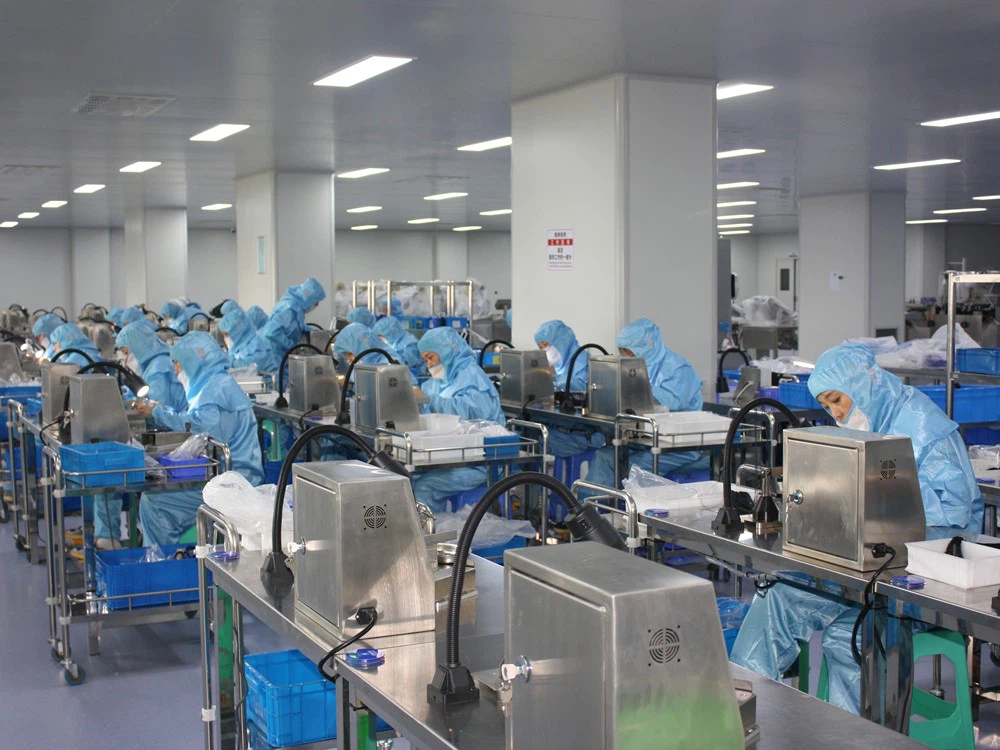 Figure 1: Nanjing Seeker Medical’s state-of-the-art cleanroom, featuring automated sealing, pouching, and assembly lines.
All Nanjing Seeker Medical products comply with demanding domestic and international quality standards. We maintain robust quality management certifications, including the Production License, CE (MDR), ISO 13485, ISO 14001, and ISO 45001. This regulatory pedigree guarantees that clinical institutions in Madagascar receive the same benchmark of medical integrity as those in Western Europe and North America. By shifting to automated production, we eliminate human handling contamination variables, ensuring that our sterile barrier systems deliver a Sterile Assurance Level (SAL) of 10-6.
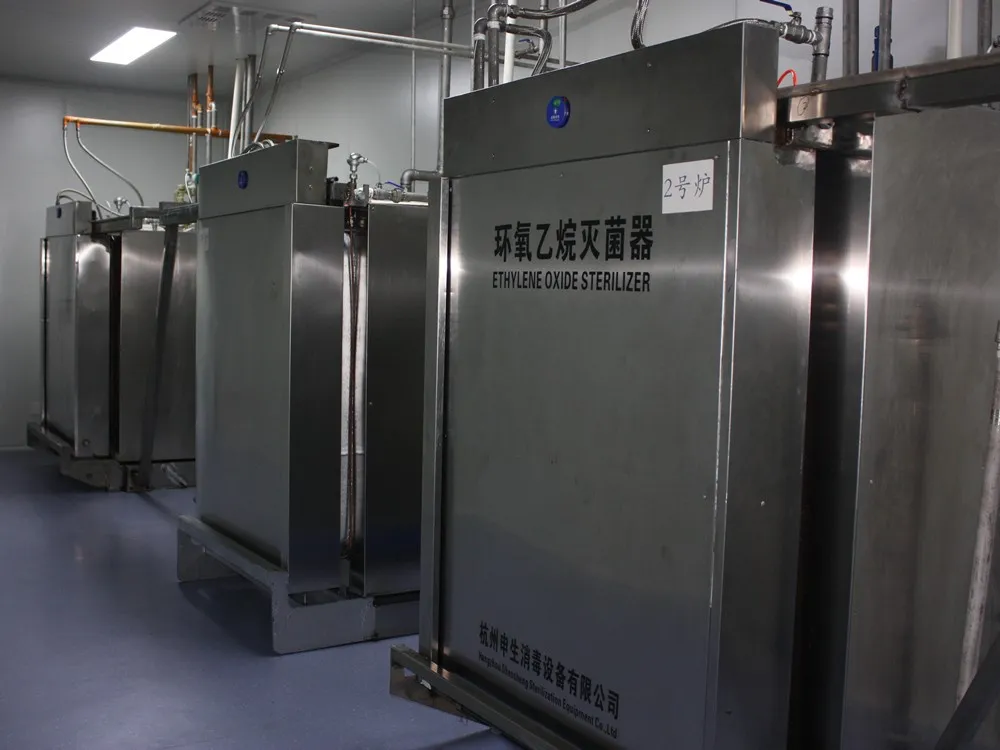 Figure 2: Quality assurance staff executing physical seal testing and microbiology bioburden verification.
We welcome global procurement agencies, Ministry of Health officials, and distributors from Madagascar to establish strategic, long-term partnerships with us. Let us combine our technological capabilities with your regional distribution channels to enhance safety standards and clinical outcomes for human health.
Ensuring Sterile Assurance Levels (SAL) through validated chemical, thermal, and mechanical barriers.
At Nanjing Seeker Medical, sterile packaging for medical consumables is designed as an engineered system, not simply a dynamic wrapping. The sterile barrier system (SBS) serves as the primary protector, maintaining sterility from the point of final sealing through long-term storage to the aseptic opening inside the operating room.
Our raw material handling, sewing, slicing, and packaging assembly take place inside validated cleanrooms with positive air pressure, HEPA filtration, and strict microbial bioburden controls. This minimizes the initial bioburden on products prior to active sterilization.
Our validated EO sterilization cycle controls relative humidity, temperature, and gas concentration to penetrate complex packaging, achieving a high level of sterility while leaving residue levels below MDR/FDA safety parameters.
Every product batch is tested for peel strength and seal integrity using dye penetration tests to ensure there are no channel leaks, micro-voids, or weak seals prone to bursting during transport pressure shifts.
Selecting the correct sterile barrier is vital for Madagascar's high-humidity clinical settings. We utilize two main material classes based on product sensitivity and budget:
High-integrity sterile barrier consumables ready for large-scale procurement and export to Madagascar's public and private healthcare divisions.
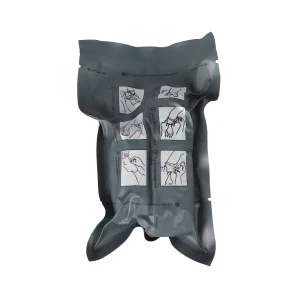
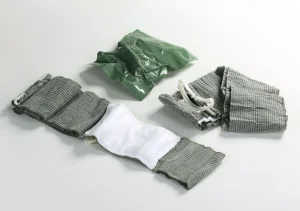
Israeli 6" Emergency Compression Trauma Pressure Dressing - Sterile Vacuum-Sealed Packaging for Bleeding Control, Madagascar Trauma Kit Request Specifications
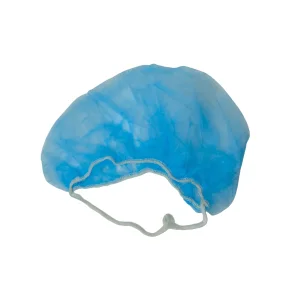
Medical Disposable Tied Cap Non-Woven Sterile/Non-Sterile Surgical Protection Custom Packaging - Madagascar Clinic Choice Request Specifications
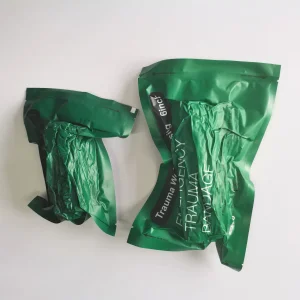
Israeli 6" Emergency Bandage Compression Trauma Wound Dressing - Sterile Vacuum-Sealed First Aid Packaging Request Specifications
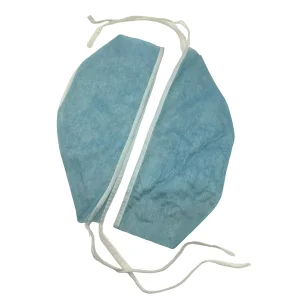
Disposable Tied Surgical Cap Non-Woven Material Medical Grade Sterile Packaging - Cross-Border Madagascar Supply Request Specifications
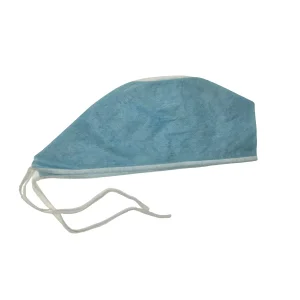
Medical Disposable Tied Cap Non-Woven Sterile Surgical Protection Custom Packaging - Theatre Sterile Grade Request Specifications
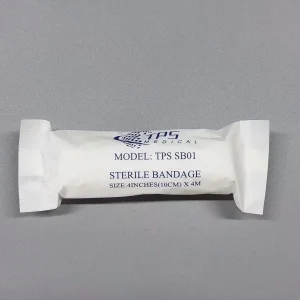
TPS Medical Premium 4 Inches X 4m Sterile Bandage Gauze, Mdr CE, Environmentally Friendly Packaging, Recyclable Gauze Request Specifications
Assisting Malagasy distributors and ministries with registration, certification, and pre-shipment inspections.
Importing medical devices into Madagascar requires compliance with local regulatory frameworks. The Direction de l'Agence de Médicament de Madagascar (DAMM) oversees the registration, verification, and clearance of all medical consumables. Without proper technical documentation, consignments can face delays at customs control.
To ensure smooth customs clearance and avoid unexpected delays, we provide a complete regulatory support package:
Answers to common logistical and technical questions from procurement officers in the Indian Ocean region.
Ensure stable supply chains, high-barrier sterile packaging, and compliant clinical consumables for Madagascar's growing healthcare system.
 Seeker Medical