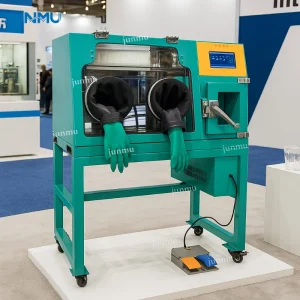
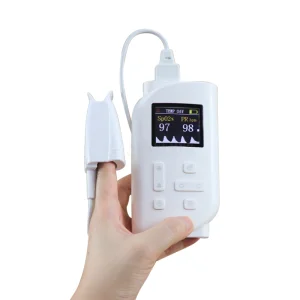
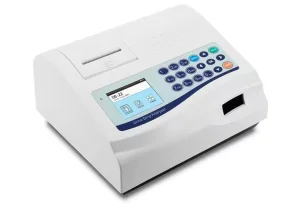
High-precision diagnostic equipment optimized for humidity stability, remote connectivity, and continuous performance across urban hospitals and rural medical outposts.
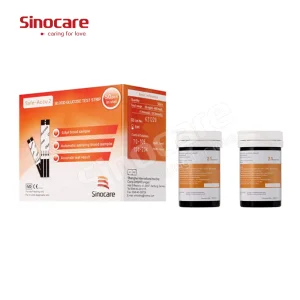
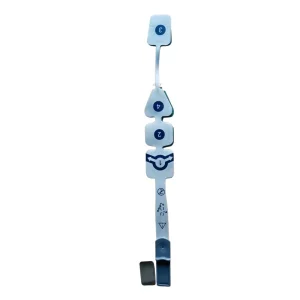
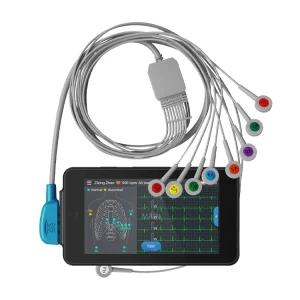
Fiji serves as the healthcare hub of the South Pacific region, anchoring specialized clinical care for neighbouring island nations. However, the geographic dispersal across hundreds of islands—combined with high rates of Non-Communicable Diseases (NCDs) like diabetes and ischemic heart disease—presents a complex environment for diagnostic infrastructure. The Ministry of Health and Medical Services (MHMS) has repeatedly emphasized the need to expand decentralized testing, requiring supplies that are physically resilient, simple to operate, and digitally integrated.
Currently, medical facilities in Viti Levu and Vanua Levu are moving away from manual, centralized lab systems toward Point-of-Care Testing (POCT). This shifts the logistical burden from transporting fragile patient samples across water channels to distributing stable testing kits and IoT-based monitoring hardware. The demand is heavily focused on long-term reliability and humidity protection, as Pacific marine environments accelerate the oxidation of biosensor terminals and degrade unsealed reagents.
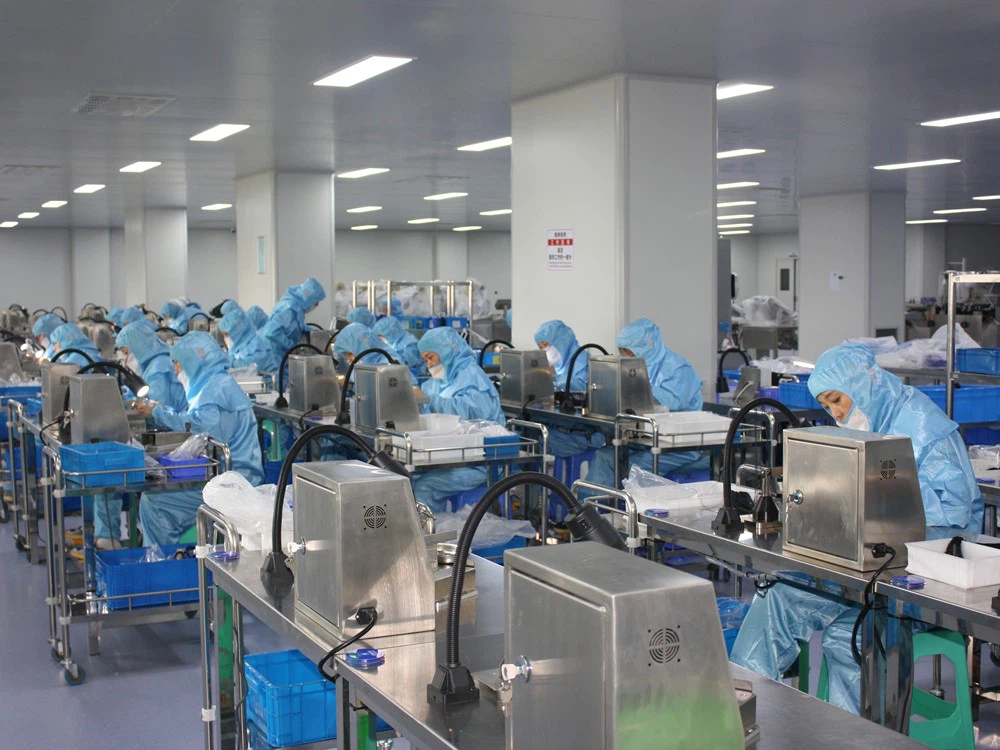
Embracing digital ecosystems, remote patient monitoring (RPM), and eco-friendly manufacturing lines to modernize the South Pacific's medical infrastructure.
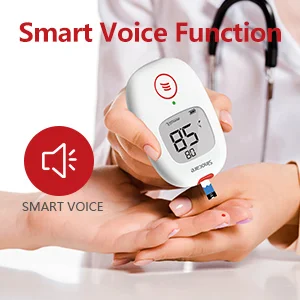
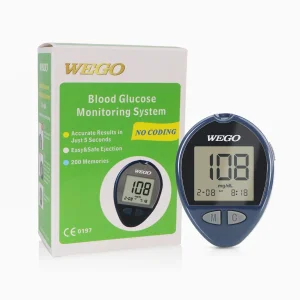
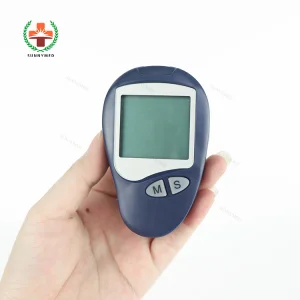
Future diagnostics in Fiji rely on data transmission. Standard devices are evolving into connected endpoints. Wireless EEG sensors, Bluetooth-enabled glucometers, and portable ECG devices allow healthcare workers on outer islands to sync patient data with central medical registers in Suva and Lautoka instantly via cloud platforms.
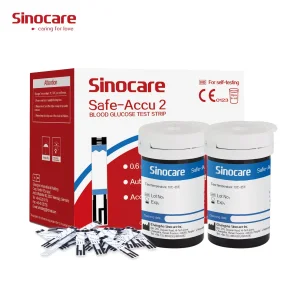
High humidity (frequently exceeding 80% in Fiji) and salinity degrade medical hardware. The next-generation hardware designs implement micro-encapsulated biosensors, gold-plated contacts on test strips, and IP22-rated enclosures, ensuring stable shelflife and accurate performance under challenging tropical conditions.
As rural nursing stations take on primary screening roles, the demand for self-calibrating instruments and modular environmental chambers—such as compact anaerobic workstations and dry chemistry analyzers—is projected to rise by 40% to limit reliance on mainland referrals.
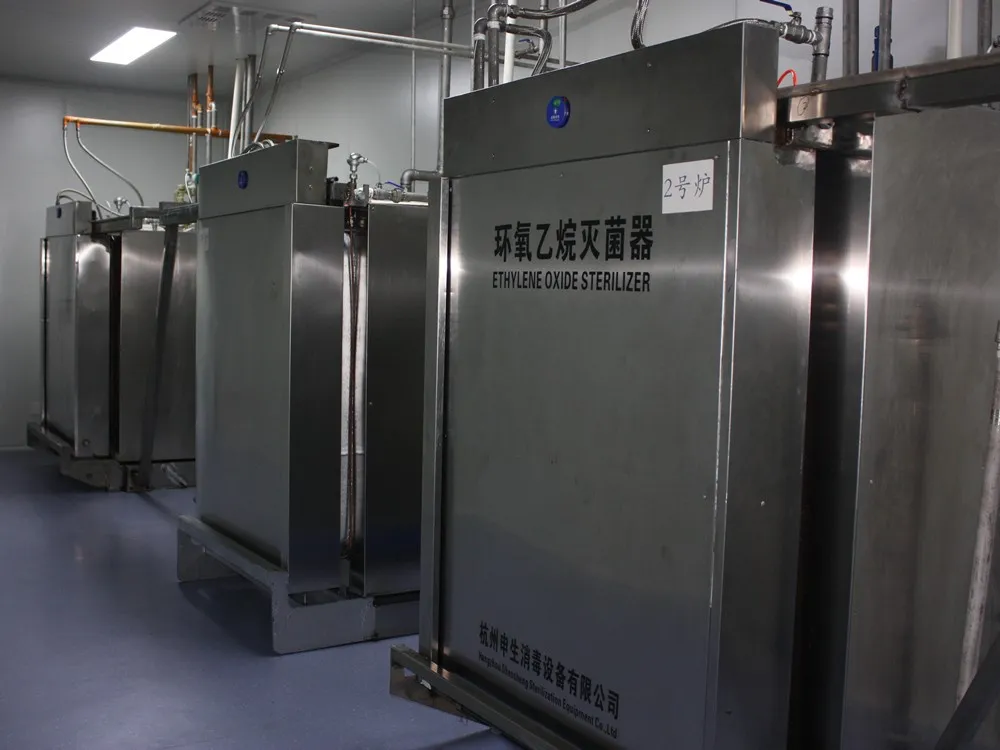
Established in May of 2004, Nanjing Seeker Medical Co., Ltd. is a leading manufacturer specializing in research, development, and production of surgical sutures and surgical needles. Recognizing the need for integrated diagnostic and surgical packages, we have aligned our modern production capacities to support global healthcare projects. Our core commitment centers on strict quality systems: all operations and products hold CE, ISO 13485, ISO 14001, and ISO 45001 certificates.
We operate under a clear quality policy: modern techniques, excellent quality, and customer satisfaction. By investing heavily in automated machinery and production processes, we have secured 29 new invention patents. This level of technological integration eliminates human assembly errors, keeps pricing highly competitive, and guarantees the structural integrity of every surgical suture, wire harness, and monitoring component shipped to the Oceania market.
| Technical Metric | China 4.0 Factory Standard | Standard Market Level | Fiji Utility Benefit |
|---|---|---|---|
| Automation Rate | >88% Robotic Production | 45-60% Manual Assembly | Consistency in batch quality, reducing calibration failures. |
| Certification Status | CE, ISO13485, ISO14001, ISO45001 | Varying standard coverage | Streamlined customs clearance and compliance audits. |
| Patent Safeguards | 29 Proprietary Innovations | Public Domain Designs | Advanced product lifespans and anti-counterfeit assurance. |
| Climatic Compliance | Tested for Class III humid environments | Class I standard conditions | Zero-degradation storage under humid tropical conditions. |
We deliver comprehensive, end-to-end medical supply chains tailored for local regulatory systems, extreme logistics environments, and long-term diagnostic reliability.
Importing medical supplies into Fiji requires adherence to the Fiji Medicinal Products Act 2011. Our complete documentation package—including CE certificates, ISO 13485 declarations, and detailed safety data sheets—ensures fast processing at ports of entry, minimizing administrative hold-ups for municipal and private buyers.
Shipping to Oceania presents unique freight routes. We offer customized protective packaging, heavy-duty desiccant packs, and shock-resistant crating to safeguard diagnostic electronics and sensitive chemical reagents from transport stresses across sea-freight lanes.
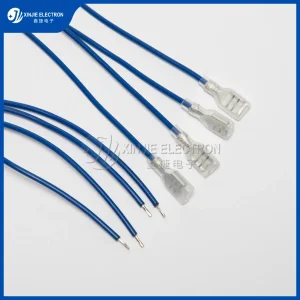
Modern medical setups rely on customized cabling to integrate legacy monitors with new sensors. We supply high-specification, custom wire harnesses and medical-grade cable assemblies designed to maintain signal clarity, resisting corrosion from damp tropical air.
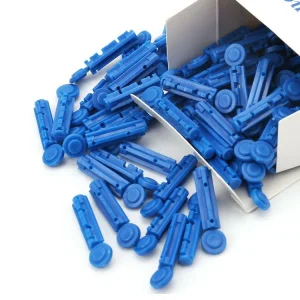
Hardware is only as good as the team operating it. We supply comprehensive digital training libraries, calibration certificates, and replacement components (such as lancets, sensor caps, and custom connectors) to guarantee long-term operational viability.
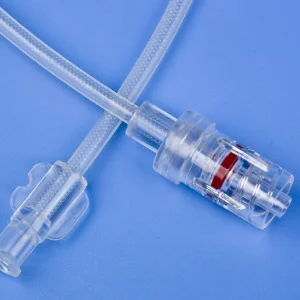
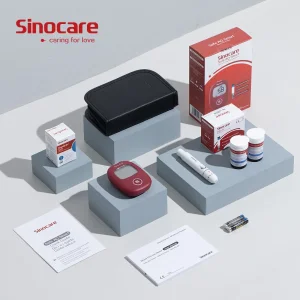
Explore our complete range of certified diagnostic consumables, precision clinical cables, automated analyzers, and patient monitoring accessories.
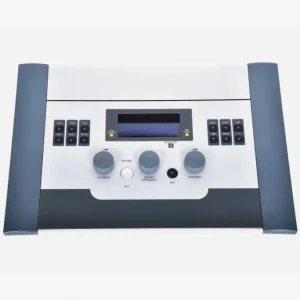
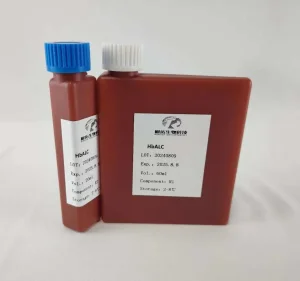
Answers to common technical, logistics, and compliance questions from institutional procurement managers and hospital buyers in the South Pacific.
Partner with an experienced medical manufacturer. Contact our technical team today to request a quote, verify device compliance, or ask about custom OEM options for the Fiji and South Pacific markets.
 Seeker Medical