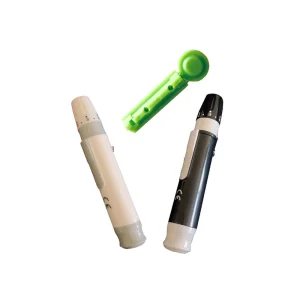
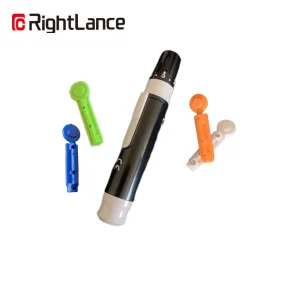
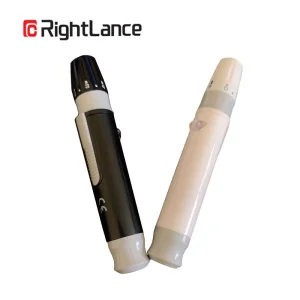
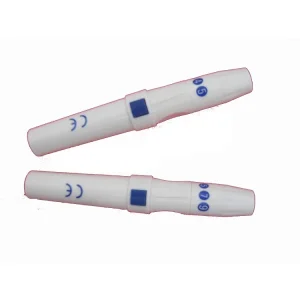
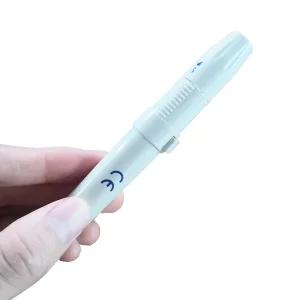
High-precision capillary instruments optimized for primary clinics, emergency diagnostic outreach, and national disease surveillance programs across the Democratic Republic of Congo.
Understanding the structural, geographical, and epidemiological demands shaping blood collection technology in Central Africa.
The Democratic Republic of the Congo (DRC) hosts one of the most complex public health landscapes in sub-Saharan Africa. Spanning across vast tropical terrain with highly decentralized healthcare networks, the country requires medical devices that are robust, easy to transport, and fail-safe. In major urban centers such as Kinshasa, Lubumbashi, and Kisangani, clinical laboratories operate under high throughput demands. Concurrently, rural health zones (Zones de Santé) depend heavily on mobile screening clinics, point-of-care testing (POCT), and rapid diagnostic tests (RDTs) for endemic diseases like Malaria, Tuberculosis, Ebola virus disease (EVD), HIV, and various neglected tropical diseases (NTDs).
For blood sampling, this geographical dichotomy creates unique technical challenges. In remote rural provinces, the lack of continuous cold chains, clean water, and stable electricity mandates that blood sampling devices be entirely self-contained, sterile, and single-use to prevent cross-contamination. Capillary blood microsampling—via finger-stick or heel-stick methods—is often the only viable clinical mechanism because venipuncture requires highly trained phlebotomists and specialized laboratory processing facilities that are unavailable in deep-forest outposts.
Diagnostic testing in the DRC is dominated by high-prevalence infectious diseases. Early diagnostic intervention for childhood malaria (Plasmodium falciparum) or maternal anemia relies heavily on prompt, painless, and sterile capillary blood draws. Because the DRC is also facing a rising secondary epidemic of metabolic non-communicable diseases, such as Type 2 diabetes due to urbanization in Kinshasa and Katanga, the demand for accessible, consumer-friendly glucose monitoring devices and sterile lancet pens has grown exponentially.
Year Established
Invention Patents
CE & ISO13485 Compliant
Monthly Device Output
How engineering choices impact sample integrity, healthcare worker safety, and patient compliance in DRC clinics.
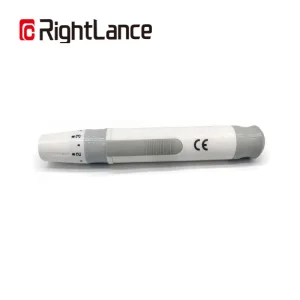
In regions with high prevalence of blood-borne pathogens (such as HIV and Hepatitis B/C), safety-engineered devices with automatic retraction mechanisms are critical. Our disposable piercing systems ensure that the sharp lancet tip is completely encased before and immediately after activation, preventing accidental needle-sticks during high-stress field campaigns.
High relative humidity and fluctuating temperatures can degrade adhesive seals and rust low-grade steel components. Nanjing Seeker Medical utilizes high-tensile, medical-grade, corrosion-resistant stainless steel for all lancet needles, housed within hermetically sealed medical-grade plastics to guarantee sterility for up to 5 years.
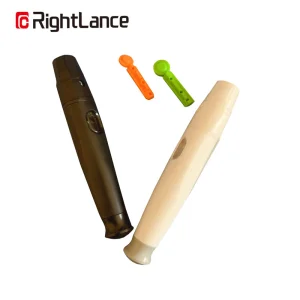
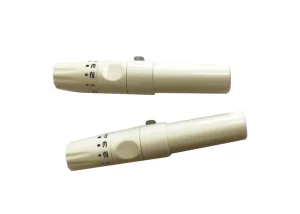
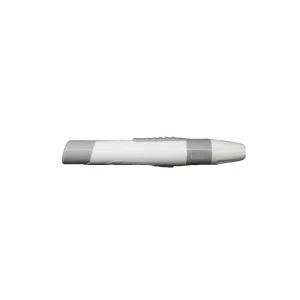
A single depth setting does not fit all. Neonates, children, and adult patients have varying skin thicknesses. Adjustable lancing pens (with 5 or more distinct depth increments) allow clinicians to minimize trauma while obtaining the exact microliter volume of blood required for diagnostic strips or cassettes.
Extending diagnostic capabilities with specialized hospital-grade systems and immunoassay analytical tools.
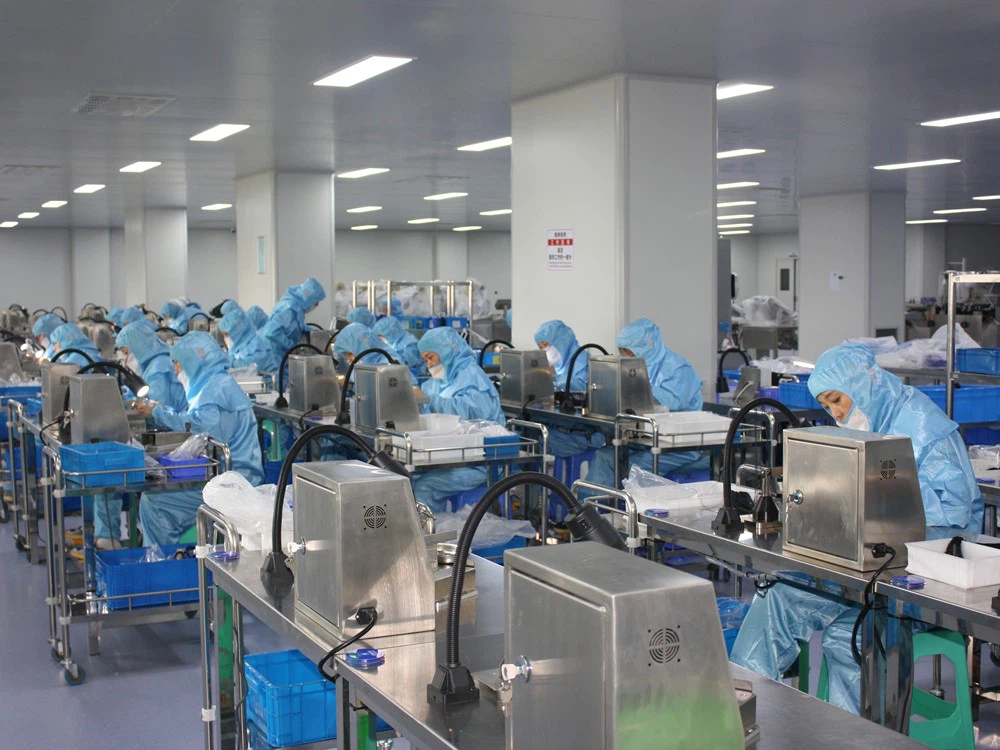
Leveraging automated production and extensive quality control networks to guarantee a continuous supply of medical products.
Established in May of 2004, Nanjin Seeker Medical Co., Ltd. is a professional manufacturer specialized in research, development, and high-volume production of surgical sutures, surgical needles, and advanced clinical blood sampling accessories. Driven by our corporate quality philosophy—"modern techniques, excellent quality, customers' satisfaction"—we have continuously automated our manufacturing lines to eliminate human error and achieve industry-leading dimensional tolerance levels.
Currently, Nanjing Seeker Medical holds 29 newly patented inventions that cover automated needle grinding, heat-treatment processes, and advanced assembly technologies. All of our products comply with international and local quality standards. We hold valid regulatory credentials including the national Medical Device Production License, CE certification, ISO 13485 (Medical Devices Quality Management Systems), ISO 14001 (Environmental Management Systems), and ISO 45001 (Occupational Health and Safety Management Systems).
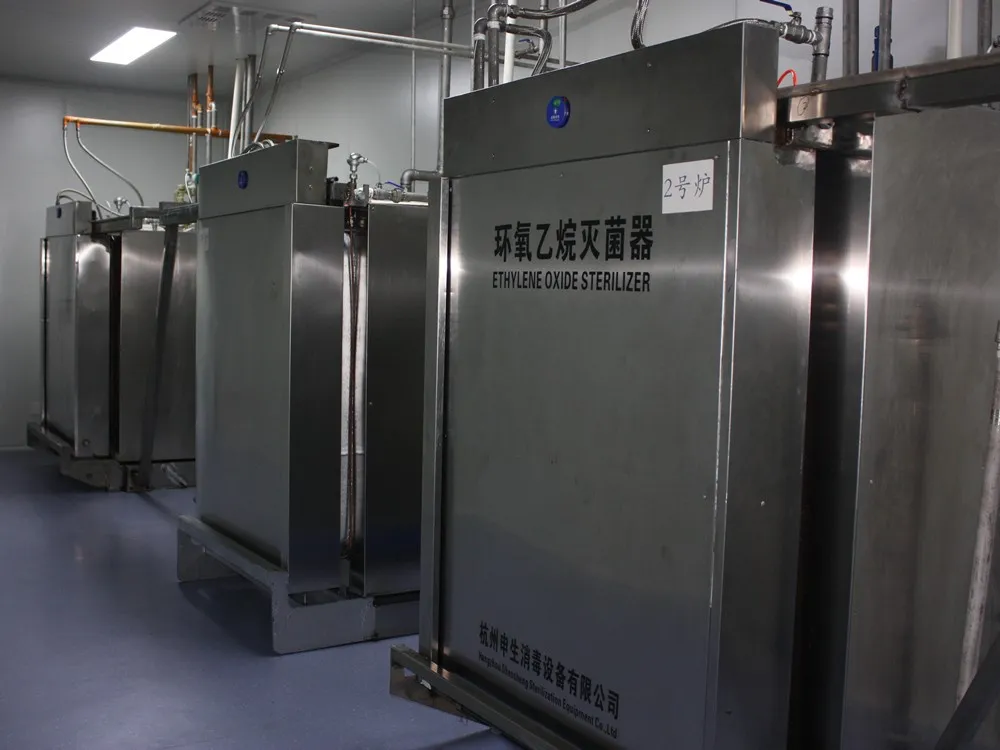
Navigating logistics in Central Africa requires experience and risk mitigation strategies. To guarantee supply security for national health ministries, clinical distributors, and non-governmental organizations (NGOs) in the DRC, Nanjing Seeker Medical has established robust shipping protocols:
How future diagnostic systems aim to decentralize laboratory testing and increase healthcare accessibility.
The collection of capillary blood onto structured filter papers (DBS) is rapidly replacing liquid whole-blood transport for neonatal HIV screening and viral load monitoring in rural DRC. Future capillary lancing devices will incorporate volumetric micro-collectors, ensuring that patients can reliably apply exact, micro-filtered blood droplets without lab assistance.
To increase diagnostic participation for chronic diseases like diabetes and metabolic syndrome, our technological roadmap focuses on manufacturing micro-needle systems. By penetrating only the superficial dermal layers where capillary beds reside—avoiding pain receptors—we can provide painless collection for children and chronic disease patients.
As the Democratic Republic of Congo updates its national healthcare digitization strategy, point-of-care testing (POCT) will play an increasingly prominent role. The integration of capillary blood sampling pens with cloud-connected glucometers and immunochromatographic assays will enable real-time infectious disease tracking, providing epidemiological surveillance data directly to the Ministry of Public Health in Kinshasa.
Assisting medical importers, distributors, and health agencies with local regulatory pathways.
All medical equipment imported into the Democratic Republic of the Congo must comply with the strict guidelines of the Direction de la Pharmacie et du Médicament (DPM) under the Ministry of Public Health. To ensure smooth customs entry and legal retail distribution within the DRC health zone networks, Nanjing Seeker Medical provides comprehensive regulatory support packages:
Whether you represent a municipal hospital board in Lubumbashi, a regional health NGO, or a major medical equipment importer in Kinshasa, Nanjing Seeker Medical offers tailored OEM/ODM pricing, packaging, and regulatory support.
Send Inquiry NowBrowse our selection of lancet pens, glucose-meter accessories, and safety-engineered capillary devices.
Answers to technical and logistical questions from medical distributors, lab procurement heads, and healthcare organizations in the DRC.
 Seeker Medical