ISO 13485 certified sterile instruments engineered for absolute reliability in critical care operations.
An in-depth analysis of critical barrier maintenance, polymer mechanics, and regulatory paradigms governing modern surgical consumables manufacture in China.
In modern clinical settings, the performance of sterile wound care items directly impacts patient recovery timelines, infection control, and overall procedural success. Wound care is no longer limited to basic protection; it has evolved into a highly specialized field prioritizing bio-compatibility, moisture regulation, and microbial barrier integrity.
As global medical standards transition toward stricter frameworks like the European Union Medical Device Regulation (MDR CE) and updated FDA protocols, procurement professionals and clinical directors demand absolute transparency regarding raw materials, sterilization validation, and manufacturing environments. The baseline standard requires class-leading cleanroom facilities operating under strict ISO 13485 conditions to prevent contamination from the source.
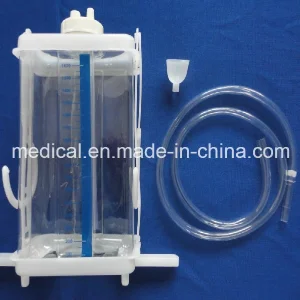
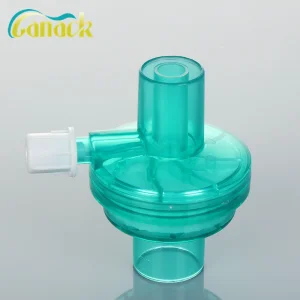
Understanding the mechanical properties of surgical sutures, the micro-precision of injection-molded pleural drainage bottles, and the air purification efficiency of heat and moisture exchangers (HMEF) is essential to choosing a reliable supplier. This document details the technology, manufacturing processes, and compliance matrices that place leading Chinese medical manufacturers at the forefront of the global sterile supply chain.
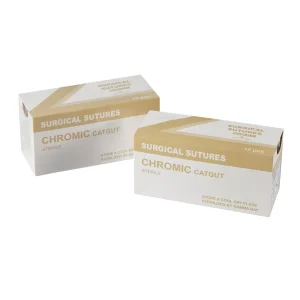
Surgical sutures represent one of the most critical classes of sterile wound care products. The choice of suture material dictates the rate of tissue healing, tissue reaction profiles, and tensile strength longevity. Leading manufacturer Nanjin Seeker Medical Co., Ltd., established in May of 2004, has spent decades specializing in the research, development, and high-volume automated production of surgical sutures and surgical needles.
The suture spectrum is fundamentally divided into absorbable and non-absorbable structures, each optimized for specific surgical tasks:
Transitioning from manual crimping to micro-automated attachment processes secures consistent pull-out values, eliminating needle-thread separation risks during surgery.
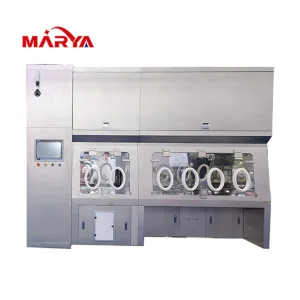
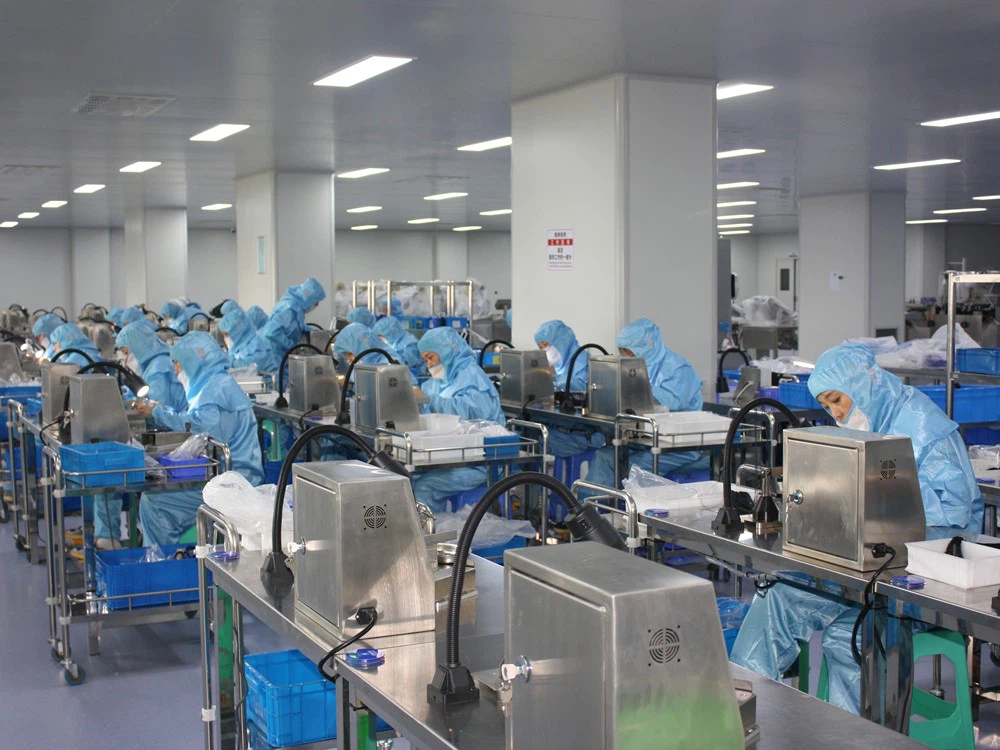
Sutures and custom-molded plastics are manufactured in strictly controlled environmental parameters, ensuring particle counts and bioburden levels remain well below clinical limits.
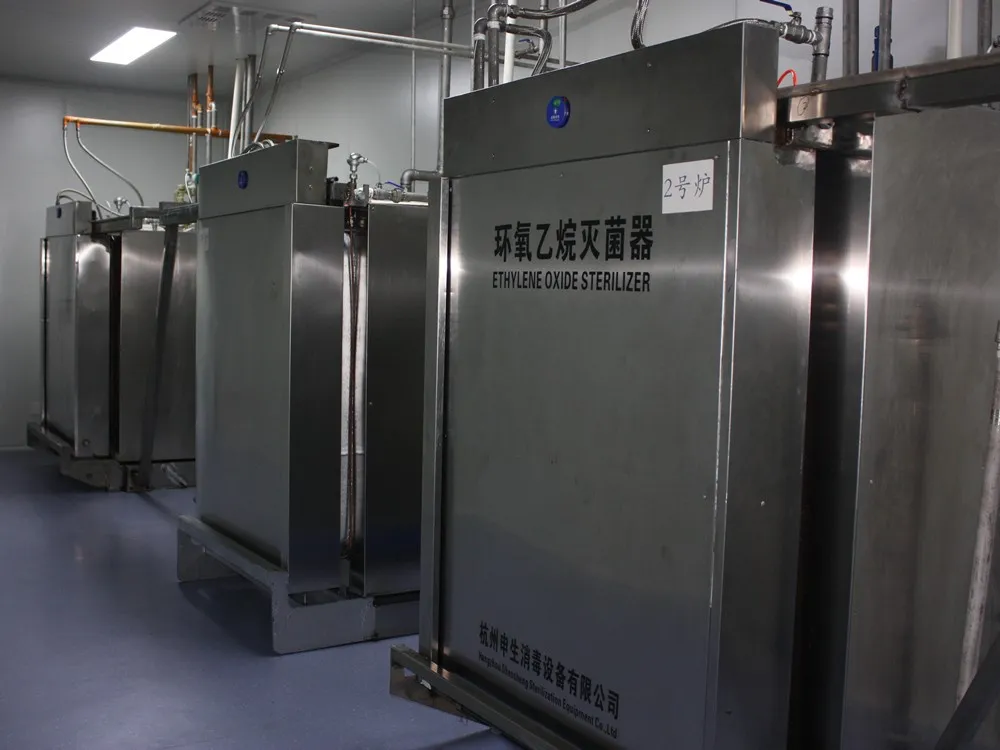
Ethylene Oxide (EtO) sterilization processes are validated through biological indicators and thermal mapping to guarantee a Sterility Assurance Level (SAL) of 10^-6.
The global healthcare supply chain requires both cost efficiency and uncompromised quality. China-based medical manufacturers have undergone a structural transformation, shifting from labor-intensive assembly to advanced, automated factories. This transition is exemplified by Nanjin Seeker Medical Co., Ltd., which has successfully modernized its production systems, earning 29 invention patents in the process.
Automated manufacturing systems reduce human touchpoints, minimizing the primary cause of contamination and defects in sterile wound care production. Advanced injection molding lines, custom-configured mixing systems, and automated suture winding machines deliver unmatched repeatability. These technology investments ensure that every batch of surgical needles and suture threads meets the same strict structural specifications.
In addition to automation, China's medical supply chain features high vertical integration. From high-grade polymer extrusion (PGA, Polyester, Nylon) to advanced packaging materials (double-barrier sterile peel pouches) and integrated sterilization chambers, the entire supply chain is optimized for efficiency. This structure minimizes transit times for raw materials, mitigates the risk of contamination, and insulates production from external logistics disruptions, providing a stable supply for hospital groups worldwide.
Entering international healthcare markets requires adherence to complex quality management frameworks. Sterile wound care items and surgical tools are strictly regulated to protect patient safety. Manufacturers must hold complete portfolios of internationally recognized quality clearances, including Production Licenses, CE certifications, ISO 13485 (Medical Devices Quality Management), ISO 14001 (Environmental Management), and ISO 45001 (Occupational Health & Safety).
For B2B buyers, procurement decisions depend heavily on a supplier's compliance infrastructure. These standards ensure:
Furthermore, leading suppliers provide localized regulatory support. This includes preparing Technical Files for CE MDR registrations, assisting with FDA 510(k) submissions, and adjusting packaging labels to meet local language and barcode requirements. This comprehensive approach simplifies the import process and ensures smooth clearance through customs and hospital validation stages.
The sterile wound care industry is experiencing a technology-driven transformation. Future patient outcomes rely on moving past passive protection to adopt active wound care systems. Material science research is driving the development of bioactive sutures and smart dressings designed to accelerate cellular healing while actively preventing bacterial growth.
An important future direction is the incorporation of active pharmaceutical agents, such as antimicrobial compounds and growth factors, directly into polymer matrices. For instance, triclosan-coated or silver-nanoparticle-modified sutures help prevent surgical site infections (SSIs) by creating a localized inhibition zone against pathogens like Staphylococcus aureus.
Sustainability is also reshaping medical packaging. Future packaging systems focus on replacing petroleum-based sterile films with bio-synthetic, compostable materials that maintain complete sterile barrier performance over a multi-year shelf life. By combining advanced automated manufacturing with sustainable polymers, next-generation sterile wound care suppliers are prepared to meet the demands of modern healthcare institutions.
Key regulatory, technological, and logistical details for global medical device sourcing.
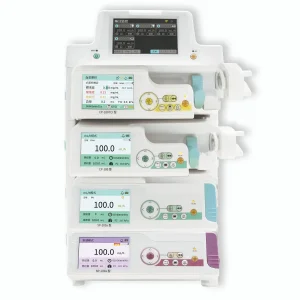
Precision monitoring and long-term care systems built to improve patient safety and comfort.
 Seeker Medical