Premium medical devices engineered for superior fluid management, wound closure, and post-operative recovery.
Combining smart industrial automation with stringent clinical grade regulations to supply global healthcare distributors.
Integration of state-of-the-art robotic manipulation for needle-suture attachment and drainage system testing, reducing variances and eliminating contamination.
ISO 13485, ISO 14001, and ISO 45001 certified facilities. Every batch of drainage systems and surgical tools is tracked with comprehensive traceability.
All surgical dressings and wound contact materials undergo validated Ethylene Oxide (EO) or Gamma-irradiation processes to guarantee absolute sterility.
An in-depth analysis of clinical application pathways, supply chain economics, and technological transformation within patient-fluid drainage manufacturing.
Patient drainage systems represent a critical pillar of modern surgery, post-operative care, and trauma management. The extraction of bodily fluids (such as blood, lymph, air, and purulent exudates) from physiological cavities is vital to prevent localized compression, eliminate dead spaces, reduce tissue tension, and curb bacterial colonization.
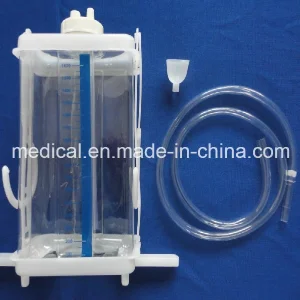
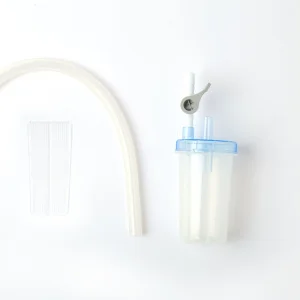
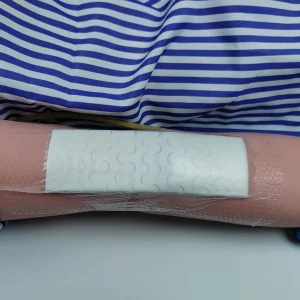
According to modern wound healing biology, the accumulation of fluid in surgical sites limits oxygenation, acts as a culture medium for pathogens, and inhibits the apposition of adjacent tissue layers. For instance, in cardiothoracic surgery, a malfunctioning Pleural Chest Drainage Bottle can quickly lead to tension pneumothorax or hemothorax—conditions with life-threatening hemodynamic consequences. Similarly, in orthopedic and plastic surgeries, Negative Pressure Wound Drainage Systems (NPWT) are deployed to promote granular tissue formation and accelerate healing in chronic wounds, diabetic ulcers, and deep surgical sites.
On a global scale, the demand for high-efficiency patient drainage solutions is rising due to:
Engineering clinical drainage systems requires a deep understanding of fluid dynamics and biocompatibility. Modern drainage systems consist of multiple key components that must work in absolute harmony:
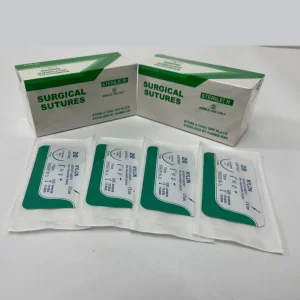
Established in May of 2004, Nanjing Seeker Medical Co., Ltd. is a professional manufacturer specialized in research, development, production of surgical sutures and surgical needles, All of our products comply with international and interior quality standards, and are approved Production license, CE, ISO13485, ISO14001, ISO45001cerificates.
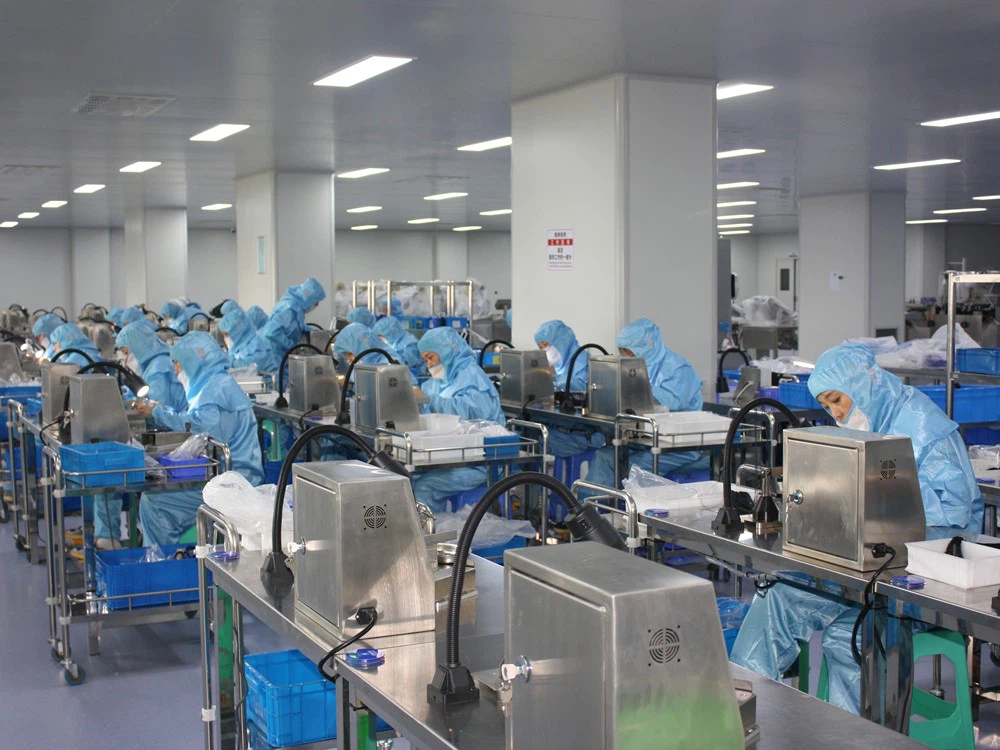
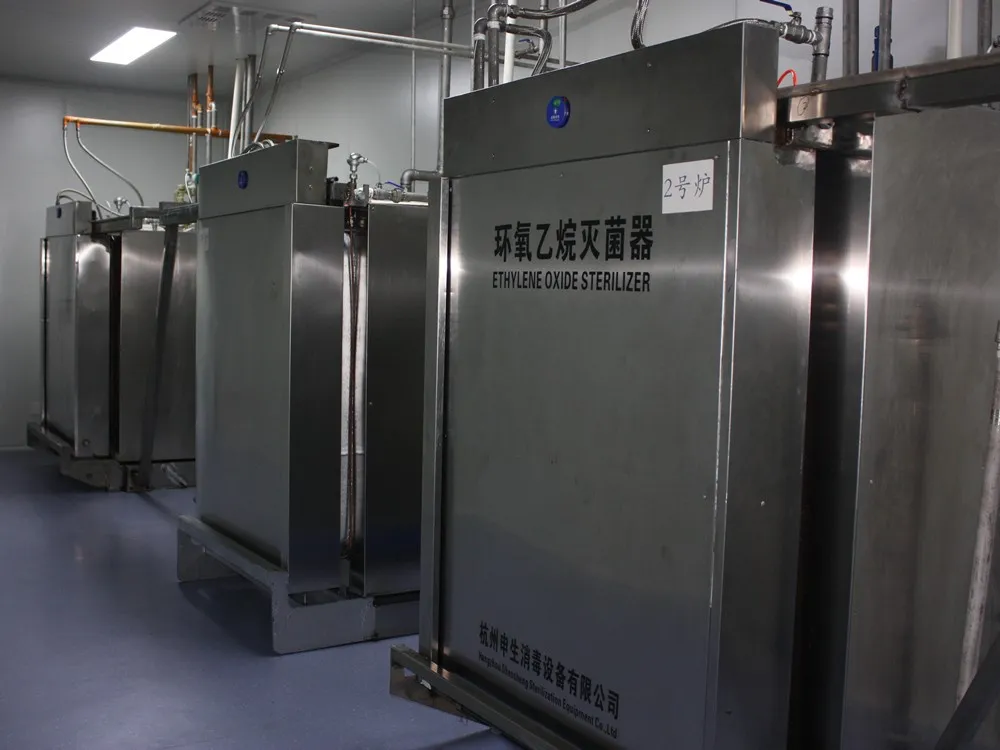
We insist on the quality policy of modern techniques, excellent quality, customers satisfaction. We attach great importance to the development and application of new technology, so far, we have obtained 29 new invention patents, we have realized the automatic transformation of the production process. And we are greatly appreciated in variety of different markets throughout the world.
All staffs in our company welcome every friend from home and abroad. Let us make more efforts for human health career.
Why do leading global healthcare procurement organizations source from Chinese manufacturers like Nanjing Seeker Medical? The advantage lies in a combination of supply chain depth, advanced manufacturing automation, and strict quality control systems.
Historically, surgical consumables and drainage assemblies relied on manual labor. Over the past decade, Chinese medical manufacturers have invested heavily in automated machinery. Nanjing Seeker Medical’s realization of automated production processes has transformed product consistency. Automated assembly of needles and sutures, computerized testing of seal integrity in drainage bottles, and robotic packing ensure that every device leaving the facility meets strict performance parameters. This reduces human error, increases yield, and allows for cost structures that fit global healthcare budgets without compromising quality.
Healthcare systems vary by region. For instance, surgical preferences in Latin America may differ from clinical protocols in the European Union or Southeast Asia. Sourcing from a factory that offers deep customization is invaluable:
When procurement departments, hospital networks, or distributors evaluate a supplier for patient drainage and wound care products, they should focus on several key quality metrics:
A. Biocompatibility and Cytotoxicity Testing: All materials that come into direct contact with bodily fluids or wound beds must undergo testing in line with ISO 10993. This ensures the silicone or plastics do not leach toxic compounds or cause irritation.
B. Seal and Vacuum Integrity: For closed drainage systems (like negative pressure systems and chest bottles), vacuum integrity is critical. A microscopic leak in a pleural drainage bottle will compromise the intrapleural negative pressure, potentially collapsing the patient's lung. Ensure your supplier uses pressure-differential testing on 100% of finished assemblies.
C. Sterilization Validation: Sterility assurance levels (SAL) of 10-6 are mandatory. Providers must supply validation reports detailing the aeration cycles used to remove residual Ethylene Oxide gas, keeping levels below international safety thresholds.
D. Environmental Management and Worker Safety: ISO 14001 and ISO 45001 compliance demonstrates that the manufacturer operates sustainably and ethically, minimizing the risk of supply chain disruptions caused by regulatory shutdowns.
Technical and regulatory answers regarding patient drainage solutions, surgical consumables, and international logistics.
Premium medical devices engineered for superior fluid management, wound closure, and post-operative recovery.
 Seeker Medical