In the post-pandemic era, the global medical landscape has undergone a tectonic shift in its approach to Personal Protective Equipment (PPE). Protective isolation gowns, once a secondary concern in hospital procurement, have now surfaced as the primary line of defense against Healthcare-Associated Infections (HAIs) and emerging viral threats. As a leading manufacturer in China, we recognize that the demand for China Wholesale Protective Isolation Gowns is no longer just about volume—it’s about the intersection of material science, regulatory compliance, and supply chain transparency.
This comprehensive industry analysis explores the nuances of manufacturing high-performance isolation gowns, the technological roadmap for the next generation of PPE, and why China remains the central hub for medical textile innovation. We delve into the E-E-A-T (Experience, Expertise, Authoritativeness, and Trustworthiness) criteria that define world-class medical suppliers like Nanjing Seeker Medical Co., Ltd.
The global protective isolation gowns market is projected to reach billions by 2028, driven by increased surgical volumes and stringent hygiene protocols in emerging economies. The focus is shifting from "just-in-time" to "just-in-case" inventory models.
The transition from MDD to MDR in Europe and stricter FDA 510(k) requirements in the US has filtered the market. Only manufacturers with robust clinical data and ISO 13485 certification can sustain global dominance.
Biodegradable materials and circular PPE economy are the new frontiers. Manufacturers are exploring non-woven polypropylene blends that reduce carbon footprints without compromising fluid resistance.
The evolution of isolation gowns is currently anchored in Material Science 4.0. We are moving away from simple single-layer PE (Polyethylene) to complex SMS (Spunbond-Meltblown-Spunbond) and SMMS structures. These multi-layered non-woven fabrics provide a breathable yet impermeable barrier against pathogens.
Modern isolation gowns utilize ultrasonic welding instead of traditional stitching. This eliminates needle holes, ensuring that Level 3 and Level 4 barrier requirements (AAMI PB70) are met consistently across the entire garment, including seams.
The future roadmap includes the integration of Smart Sensors and RFID tags to track the usage cycles and sterilization history of reusable gowns, or the shelf-life and authenticity of disposable versions. Antimicrobial coatings using silver-ion technology are also being clinical tested to neutralize viruses upon contact.
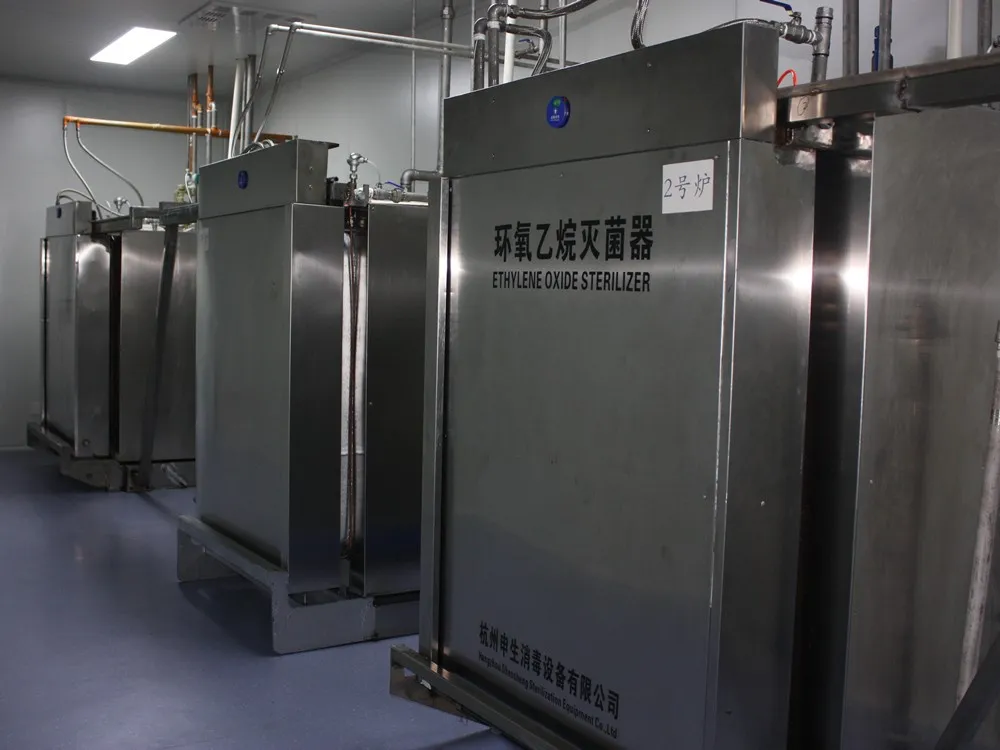
Why source from China? It's not just cost; it's the integrated vertical supply chain. From the raw petrochemicals used for polypropylene to the advanced non-woven textile looms and automated sterilization facilities, China provides an unmatched speed-to-market. Nanjing Seeker Medical leverages this ecosystem to deliver medical-grade products that meet international CE and ISO standards.
High-risk environments requiring AAMI Level 3/4 gowns for surgery, ICU procedures, and fluid-intensive interventions to prevent cross-contamination.
BSL-2 and BSL-3 labs where chemical splash resistance and biological containment are critical for researcher safety.
Semiconductor and pharmaceutical manufacturing where low-linting properties of gowns are essential to maintain environmental purity.
First responders dealing with unknown biological hazards require rapid-deployment, high-visibility protective wear.
High-volume clinics requiring cost-effective Level 1/2 protection for routine aerosol-generating procedures.
Specialized gowns designed for anatomical dissection and veterinary surgery, focusing on durability and ease of movement.
Established in May of 2004, Nanjin Seeker Medical Co., Ltd. is a professional manufacturer specialized in research, development, production of surgical sutures and surgical needles. All of our products comply with international and interior quality standards, and are approved Production license, CE, ISO13485, ISO14001, ISO45001 certificates.
We insist on the quality policy of modern techniques, excellent quality, customers satisfaction. We attach great importance to the development and application of new technology, so far, we have obtained 29 new invention patents, we have realized the automatic transformation of the production process. And we are greatly appreciated in variety of different markets throughout the world.
All staffs in our company welcome every friend from home and abroad. Let us make more efforts for human health career.
The levels are defined by the ANSI/AAMI PB70 standard. Level 1 (Minimal risk) offers basic water resistance. Level 2 (Low risk) provides resistance against water penetration under pressure (Impact Penetration). Level 3 (Moderate risk) offers higher resistance to Impact Penetration and Hydrostatic Pressure. Level 4 (High risk) provides a complete viral and blood-borne pathogen barrier, passing the ASTM F1671 test.
SMS (Spunbond-Meltblown-Spunbond) is a trilaminate fabric. The "Spunbond" layers provide strength and durability, while the "Meltblown" layer acts as the actual bacterial and fluid filter. Unlike PE (Polyethylene) which is plastic-like and can be hot/uncomfortable, SMS is highly breathable while maintaining superior protective qualities.
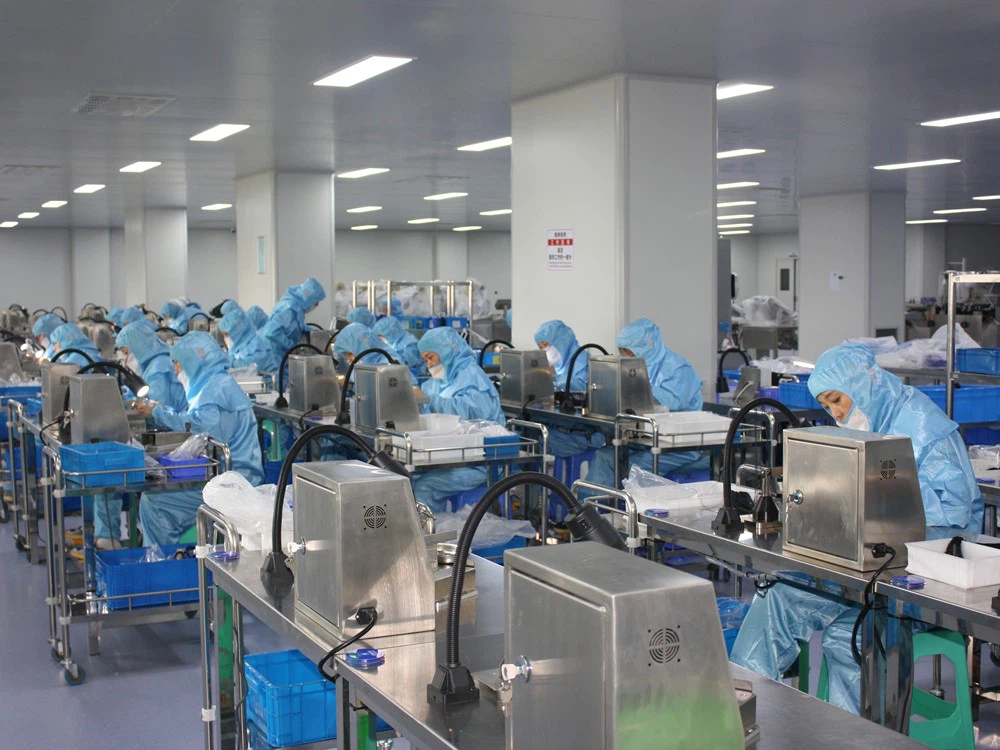
We utilize automated production lines to minimize human error and conduct rigorous batch testing for tensile strength, fluid resistance, and seam integrity. Our ISO 13485 certification ensures that every gown manufactured meets the stringent traceability requirements of the medical industry.
Key factors include ensuring the manufacturer has the correct "White List" status for exports, verifying the CE/FDA certifications, and optimizing packaging to reduce volumetric weight. At Seeker Medical, we provide comprehensive logistics support to ensure smooth customs clearance.
Yes, we are currently developing gowns using bio-polypropylene and recycled PET components. These materials aim to maintain Level 2/3 protection while being more readily degradable in clinical waste processing systems.
 Seeker Medical