Decoding the Shift from Traditional Bathing to Waterless Hygiene Solutions
In the modern clinical environment, patient cleansing wipes have transitioned from a luxury convenience to a fundamental tool for infection control. As healthcare-associated infections (HAIs) continue to pose significant financial and clinical burdens, the demand for high-efficacy, dermatologically safe cleansing solutions has skyrocketed. This whitepaper explores why the top 10 suppliers, particularly those leveraging China's advanced manufacturing infrastructure, are now leading the global export market.
Traditional basin bathing is increasingly viewed as a risk factor for cross-contamination. Research indicates that hospital basins can harbor multi-drug resistant organisms (MDROs). In contrast, single-use, pre-moistened cleansing wipes provide a controlled application of cleansers and skin protectants, ensuring a standardized level of care across all patient populations.
Unlike standard consumer wipes, medical-grade patient cleansing wipes are engineered to match the skin's natural acidic mantle (pH 4.5–5.5). Suppliers who prioritize pH-balanced formulations provide a critical "Information Gain" for procurement officers: they aren't just selling a wipe; they are providing a skin-barrier protection system that prevents denatured proteins and lipid depletion in geriatric patients.
Innovation, Scale, and Regulatory Rigor
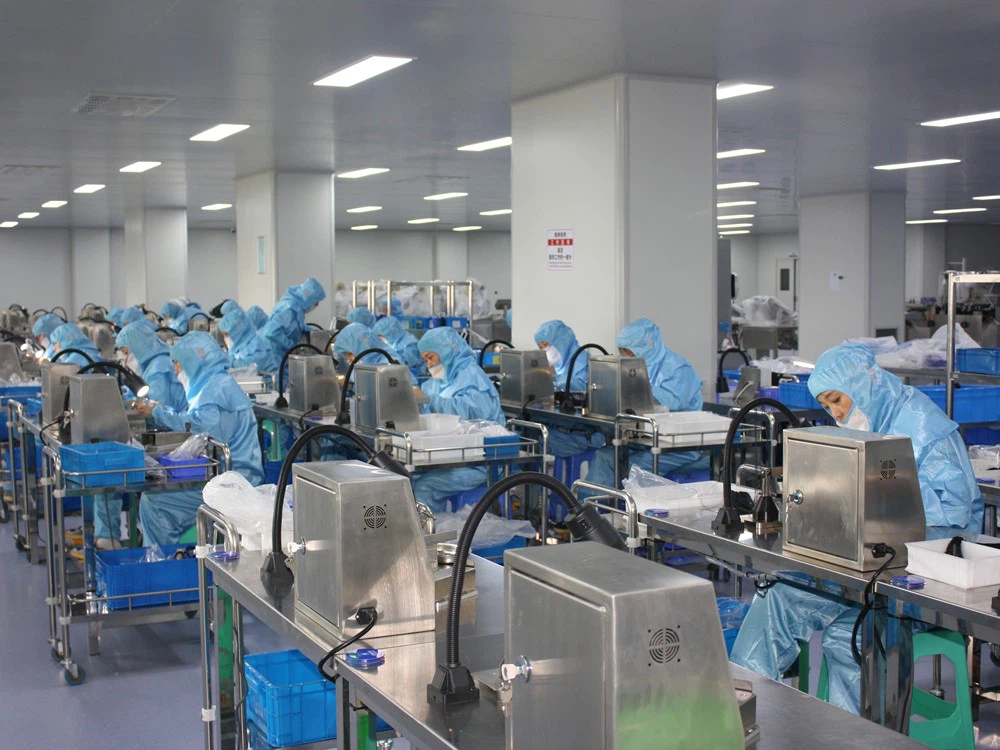
China's top factories utilize fully automated, touch-free production lines that eliminate human contact, drastically reducing microbial load during the manufacturing of non-woven substrates.
Access to advanced Spunlace and Needle-punch non-woven fabrics allows Chinese exporters to offer varied GSM (grams per square meter) options, catering to both economy and premium hospital tiers.
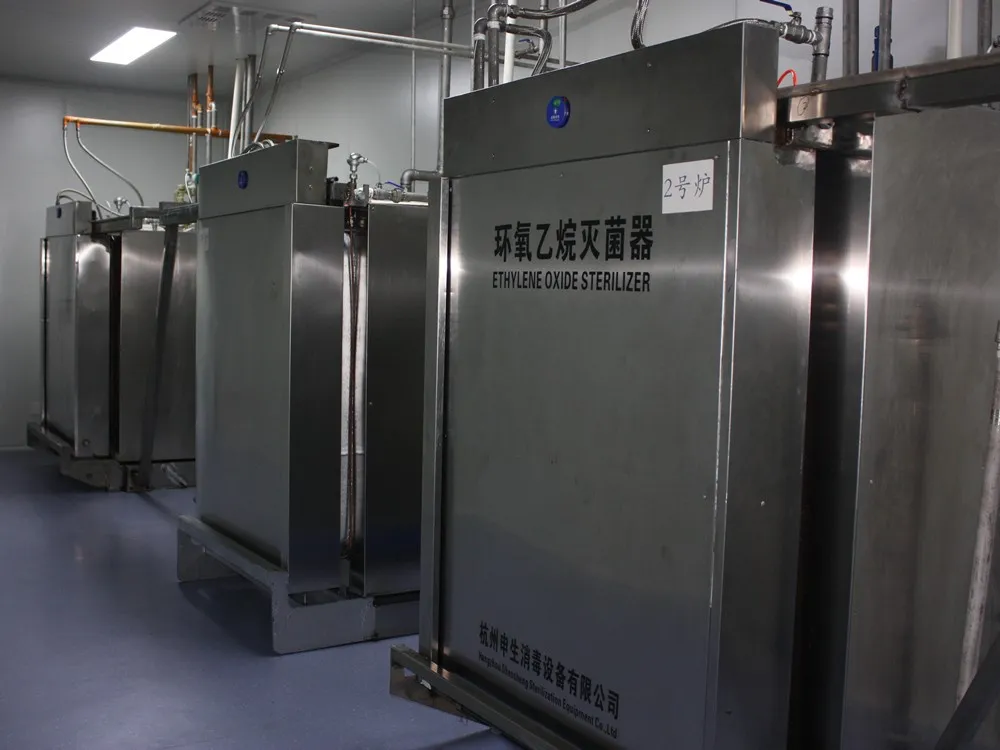
Leading suppliers like Nanjing Seeker Medical operate under ISO13485 and CE certifications, ensuring that exported wipes meet the stringent safety requirements of European and American markets.
The push for sustainability is driving a shift toward biodegradable bamboo and wood-pulp-based wipes. Hospitals are now seeking plastic-free alternatives that do not compromise on tensile strength.
Beyond simple cleansing, there is a rising demand for wipes impregnated with 2% Chlorhexidine Gluconate (CHG) for pre-operative skin preparation and ICU daily bathing protocols.
Single-patient packs (8-wipe packs) are becoming the standard to prevent cross-contamination between rooms, often featuring heater-compatible packaging for improved patient comfort.
Established in May of 2004, Nanjin Seeker Medical Co., Ltd. is a professional manufacturer specialized in research, development, production of surgical sutures and surgical needles. All of our products comply with international and interior quality standards, and are approved Production license, CE, ISO13485, ISO14001, ISO45001 certificates.
We insist on the quality policy of modern techniques, excellent quality, customers satisfaction. We attach great importance to the development and application of new technology, so far, we have obtained 29 new invention patents, we have realized the automatic transformation of the production process. And we are greatly appreciated in variety of different markets throughout the world.
All staffs in our company welcome every friend from home and abroad. Let us make more efforts for human health career.
Years Experience
Invention Patents
Export Countries
Quality Compliance
High-thickness, large-format wipes for complete bed-baths of immobile patients, reducing the physical strain on nursing staff.
Formulations with Aloe Vera and Vitamin E to soothe fragile skin and prevent incontinence-associated dermatitis (IAD).
Compact, high-durability packaging for use in disaster relief and military field hospitals where water access is restricted.
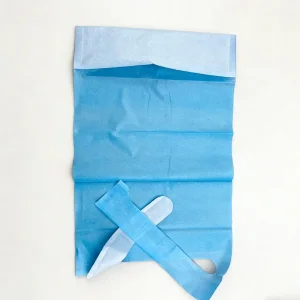
Global enterprises are moving away from piecemeal purchasing. The trend is toward Total Room Hygiene Solutions, where cleansing wipes are part of a bundle including disposable bed sheets, surgical gowns, and specialized wound care kits. This holistic approach simplifies supply chains and ensures chemical compatibility between different hygiene products.
Medical-grade wipes must undergo stringent bioburden testing and are often manufactured in ISO Class 7 or 8 cleanrooms. They feature specific active ingredients like Dimethicone for skin protection and are free from common allergens found in consumer wipes, such as heavy fragrances or harsh alcohol.
Top exporters adhere to the Search Quality Rater Guidelines equivalent for manufacturing: Experience (years in production), Expertise (R&D patents), Authoritativeness (international certifications), and Trust (transparent supply chain audits). Most utilize third-party testing from labs like SGS or Intertek.
Yes, many premium patient wipes are designed to be placed in specialized warmers. This is a critical factor for patient comfort and compliance, as cold wipes can cause discomfort and even mild physiological shock in frail patients.
Typically, 2 to 3 years. The packaging must use high-barrier foils to prevent the evaporation of the active cleansing solution and maintain sterility if the product is rated as such.
 Seeker Medical