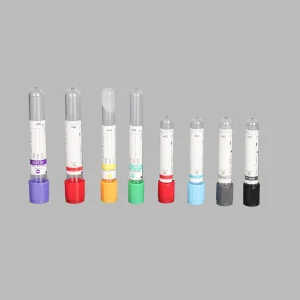
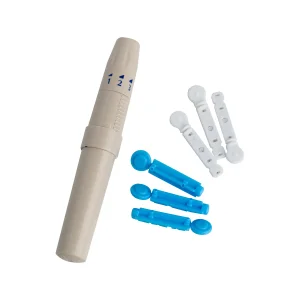
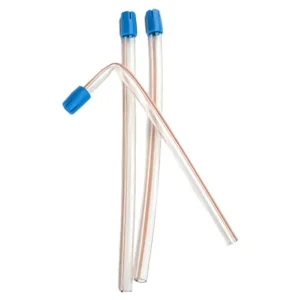
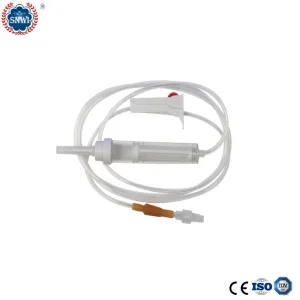
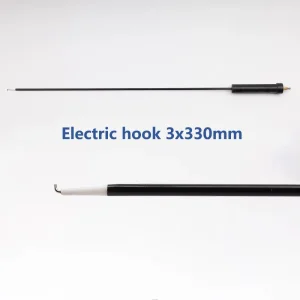
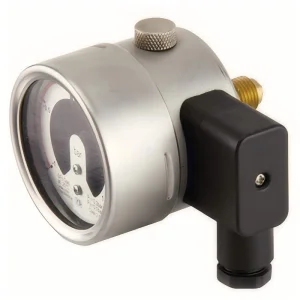
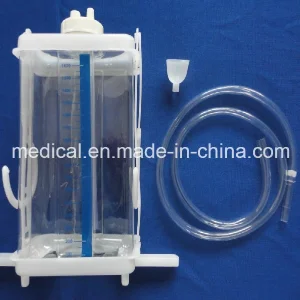
Precision engineered clinical solutions designed for hospital environments, surgical operations, and specialized testing facilities worldwide.
A pioneering force in the design, engineering, and manufacturing of surgical sutures and suture needle combinations since 2004.
Established in May of 2004, Nanjing Seeker Medical Co., Ltd. has grown into a world-class professional manufacturer specialized in the comprehensive research, development, and mass production of surgical sutures and surgical needles. Recognizing that suture integrity directly dictates clinical outcomes, our manufacturing philosophy centers around precision, consistency, and uncompromising compliance.
Every device exiting our cleanrooms is certified under rigorous international and local requirements. The factory operates a quality system validated by CE, ISO 13485, ISO 14001, and ISO 45001 certifications. This structured regulatory framework ensures that medical procurement entities, distributors, and healthcare networks receive devices that meet absolute clinical requirements.
By implementing automatic transformations across the manufacturing lifecycle, we have optimized the transition from raw wire processing to precision needle attachment. This focus on modernization has positioned Seeker Medical as a trusted OEM/ODM partner across multiple medical sectors.
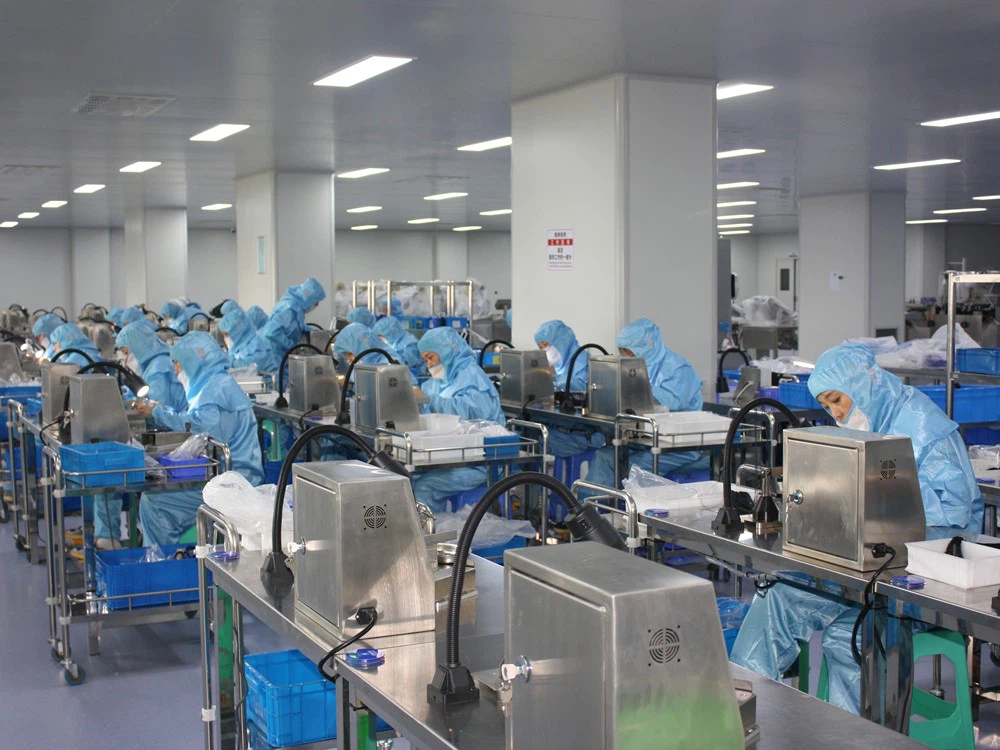
Figure 1: ISO Class 7/8 Cleanroom Environment at Nanjing Seeker Medical Co., Ltd.
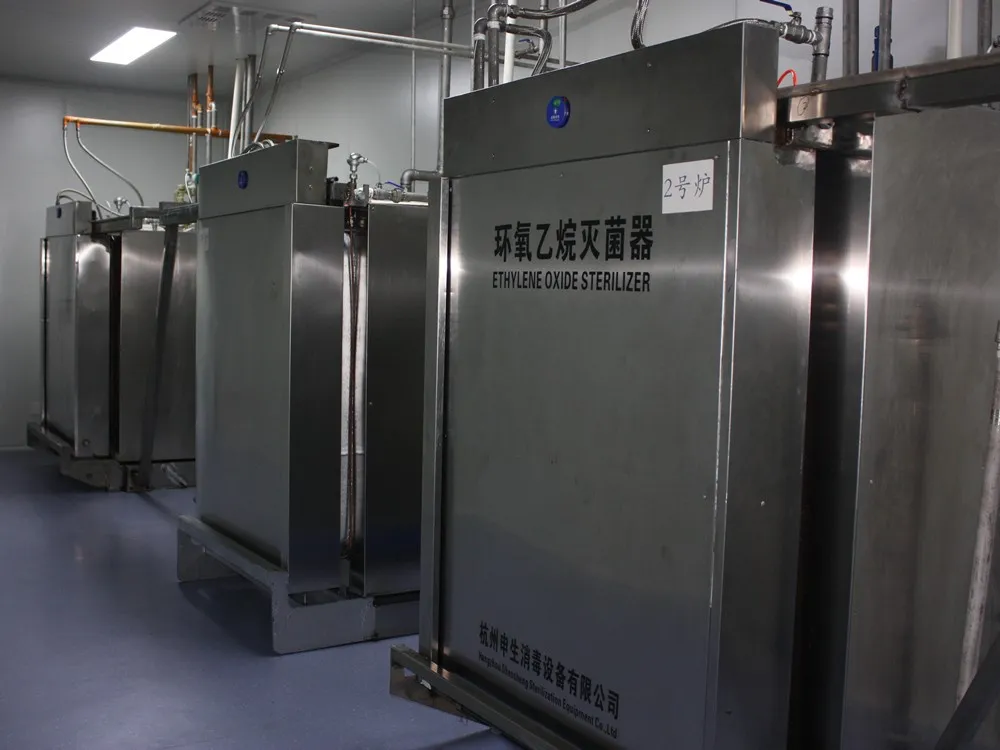
Figure 2: Automatic Suture-Needle Crimping and Tension Testing Array.
At Nanjing Seeker Medical, our core competitive edge is rooted in the continuous integration of modern techniques. By devoting substantial capital and academic resources to engineering research, we have obtained 29 new invention patents.
These patents protect key technological advances in needle grinding geometries, laser drilling processes, and automated suture attachment systems. By automating our lines:
"Modern techniques, excellent quality, and customer satisfaction" is our baseline operation standard. This design-led perspective enables us to customize needle profiles, suture lengths, and packaging profiles to support surgical requirements across the globe.
Analysis of changing materials, clinical preferences, and smart suture technologies within modern operating rooms.
The clinical shift from catgut to synthetic absorbable polymers—such as Polyglycolic Acid (PGA), Polyglactin 910 (PGLA), and Polydioxanone (PDO)—defines modern wound healing. These materials undergo predictable hydrolysis within tissue, minimizing cell reactions while preserving tissue support during critical healing phases.
Advanced laparoscopic and robotic surgeries drive demand for knotless tissue approximation. Barbed sutures distribute tension evenly across the incision, eliminating the need to tie knots. This reduces procedure times, limits surgical fatigue, and minimizes the risk of knot slippage post-operation.
Surgical Site Infections (SSIs) represent a significant economic and clinical burden. Premium OEM/ODM lines now integrate antimicrobial coatings, such as Triclosan, onto both absorbable and non-absorbable structures. These coatings create a zone of inhibition, preventing bacterial colonization on the suture surface.
Technical guidelines for global procurement directors, distributors, and private label managers evaluating factory capabilities.
When evaluating OEM/ODM wound closure factories, procurement managers must analyze technical metrics that go beyond pricing. Key requirements include:
How we address regulatory and logistics challenges for global medical brand operations.
Moving medical devices across borders requires deep regulatory alignment. We support clients by compiling and maintaining comprehensive Technical Dossiers, facilitating compliance with regional regulations, including the European Union Medical Device Regulation (EU MDR), the United States FDA, and other regional regulatory agencies.
We offer extensive custom capabilities, allowing clients to configure specialized needle shapes (such as reverse cutting, taper point, and taper-cut geometries), custom suture lengths, specialized thread colors, and bespoke multi-unit cassette packaging designed for surgical procedural packs.
To counter fluctuating global freight channels, we provide dedicated safety stock reserves for qualified contractual OEM partners. Our logistics network facilitates shipping clearances, import compliance, and delivery configurations to hub ports globally.
A projection of advanced wound closure technologies and polymer science innovations through 2030.
Integrating tissue-healing factors and localized anesthetics directly into absorbable polymer matrices to manage post-surgical pain and speed recovery.
Developing smart suture threads with integrated micro-sensors that track wound parameters like temperature and pH, warning of early surgical site infections.
Transitioning production pipelines to bio-synthesized, carbon-neutral polymers, and introducing fully biodegradable primary sterile packaging.
Deploying shape-memory alloys and polymers that self-tighten inside tissue when exposed to body heat, optimizing tension control.
Ensuring seamless market entry through aligned manufacturing standards and regulatory coordination.
Operating as an OEM/ODM supplier in the medical field requires strict quality controls. Nanjing Seeker Medical Co., Ltd. maintains a robust manufacturing environment designed to satisfy multiple regulatory frameworks simultaneously:
Registering medical products in foreign jurisdictions can be complex. We support our distributors by providing complete testing documentation, biological safety test evaluations (following the ISO 10993 series), and manufacturing process logs.
Whether your project requires specific labeling adaptations for clinical settings or translation sets for multi-language regions, our engineering and quality assurance teams assist in navigating regulatory hurdles to facilitate product approval.
Addressing key technical, regulatory, and logistics inquiries from global procurement directors.
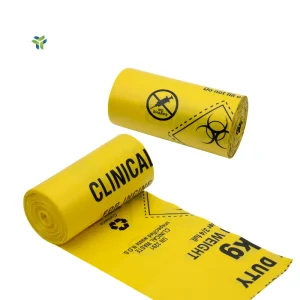
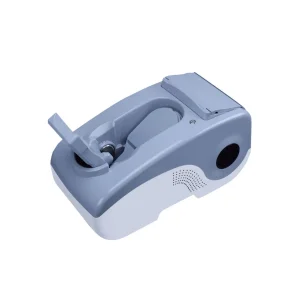
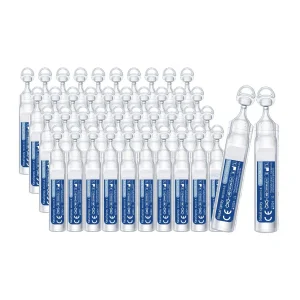
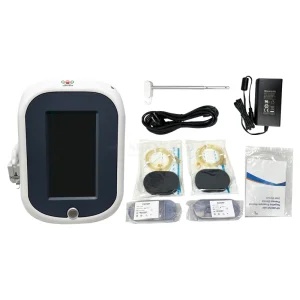
Discover our extended line of medical products, surgical components, and safety equipment for international clinical markets.
Partner with Nanjing Seeker Medical. Let our engineering team design custom suture and needle configurations matching your project requirements.
 Seeker Medical