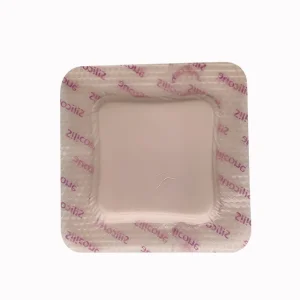
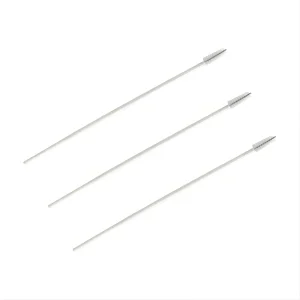
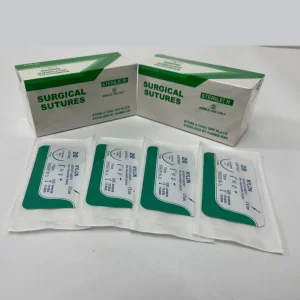
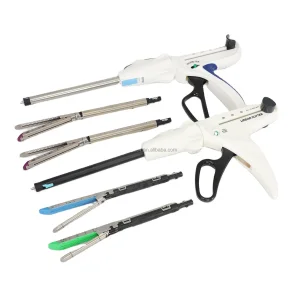
Explore our comprehensive array of medical-grade surgical and clinical consumables, engineered to satisfy international regulatory parameters and performance requirements.
In the global biosecurity ecosystem, hand sanitizer gel is no longer a simple consumer commodity; it has evolved into a critical element of medical-grade and industrial infection prevention infrastructure. This change has triggered a major paradigm shift in global procurement strategies.
Institutional buyers, pharmaceutical distributors, and government agencies face a complex task when vetting China Wholesale Hand Sanitizer Gel Manufacturers & Factories. The market is saturated with varying quality standards. Procurement managers must look past basic pricing to closely analyze technical formulations, raw material quality, production automation, and international regulatory certifications. Standard consumer-grade products often fail under strict clinical and occupational safety guidelines.
This whitepaper offers an in-depth analysis of the technical and operational criteria that define top-tier hand sanitizer manufacturing. We cover the entire manufacturing life cycle, including raw material selection, chemical stabilization, cleanroom packaging, and global logistics compliance. By choosing a manufacturer with verified production capabilities and strict quality management, distributors can ensure product consistency, protect user safety, and prevent costly customs rejections.
Commercial hand sanitizers must strike a careful balance between active biocidal efficacy and long-term dermal compatibility. Many discount manufacturers use low-cost industrial alcohols containing toxic byproducts like methanol or acetaldehyde. Top-tier factories use high-purity USP-grade ethanol or isopropyl alcohol combined with advanced skin-conditioning agents. This approach provides rapid antimicrobial action while protecting the skin's natural barrier.
Hand hygiene requirements vary significantly across different commercial, industrial, and clinical environments. A one-size-fits-all approach is rarely effective.
In healthcare environments, sanitizers must meet surgical-grade standards (such as EN 1500 and EN 12791). Formulations require high alcohol concentrations (70%–85% v/v) to kill persistent pathogens within 15 to 30 seconds. Emollients like glycerin and panthenol are added to prevent contact dermatitis during frequent, repetitive daily use by medical staff.
Electronics manufacturing, biotechnology laboratories, and pharmaceutical facilities require residue-free formulations. Gels designed for these cleanrooms must utilize high-purity, volatile isopropyl alcohol (IPA) that leaves no film or organic residue behind. This protects sensitive instrumentation, silicon wafers, and sterile surfaces from contamination.
High-traffic areas require cost-effective, bulk-packaged options for automatic dispensers. The gels must remain stable across different temperatures without separating or liquefying. In school environments, formulations need to be non-toxic, child-safe, and free from irritating synthetic fragrances.
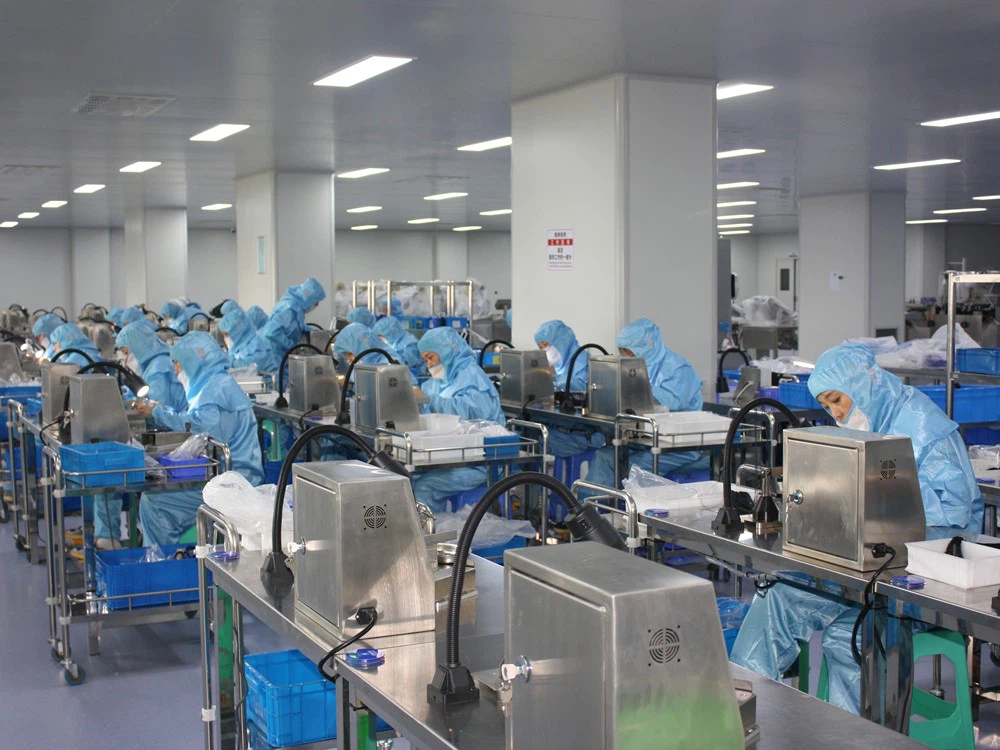
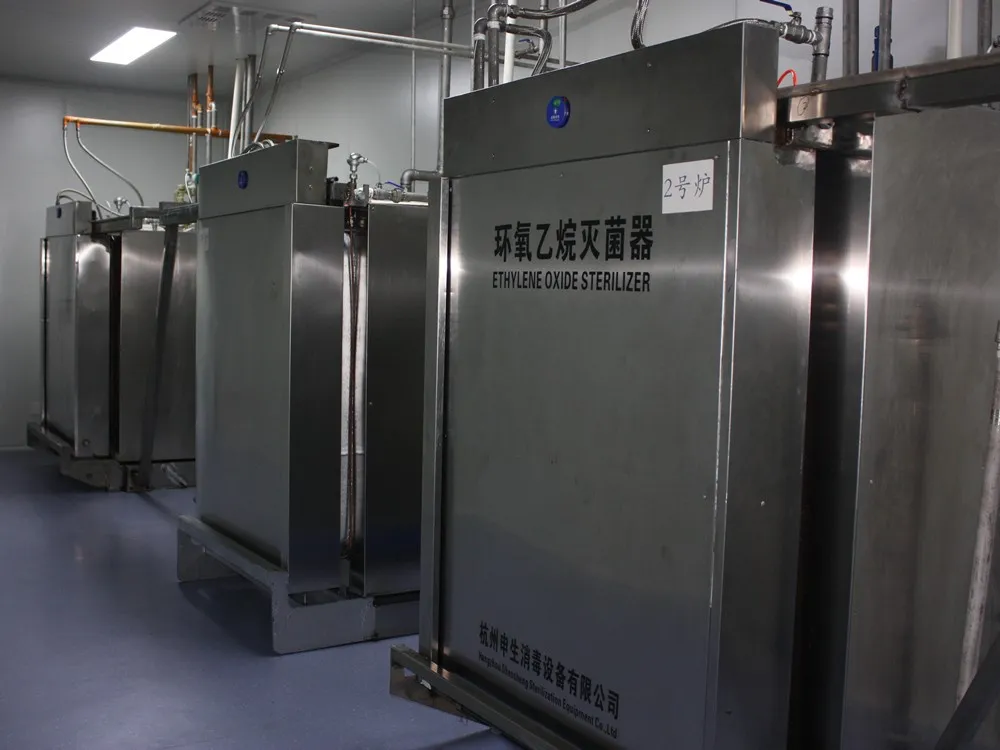
Established in May of 2004, Nanjing Seeker Medical Co., Ltd. is a professional manufacturer specialized in the research, development, and production of high-performance surgical sutures, surgical needles, and advanced medical consumables. All of our products comply with international and domestic quality standards. We hold approved production licenses and are certified under CE, ISO 13485, ISO 14001, and ISO 45001.
We strictly adhere to a quality policy centered on modern techniques, excellent quality, and customer satisfaction. We prioritize the development and application of new technologies. To date, we have secured 29 new invention patents and have fully automated our production processes. This transition to automation ensures high batch-to-batch consistency, minimizes manual handling contamination, and supports large-scale global sourcing. Our dedication to quality is recognized in diverse markets worldwide.
All staff at our company welcome partners from home and abroad. Let us work together to support and advance global human health.
Designing a stable, high-performance hand sanitizer gel requires deep expertise in chemical formulation and rheology. Viscosity, skin feel, and active ingredient stability must be carefully balanced.
The core component of any effective hand sanitizer is the active sanitizing agent—typically Ethanol (60%–80% v/v) or Isopropyl Alcohol (60%–75% v/v). While alcohol kills pathogens by denaturing their proteins, it evaporates quickly and can dry out the skin. To address this, polymer thickeners like Carbomer 940 or cross-linked polyacrylic acid are used to create the gel structure. This structure holds the alcohol on the skin long enough to meet contact-time requirements while providing a smooth application feel.
In addition, formulation chemists add humectants like glycerin, propylene glycol, or aloe vera extracts. These ingredients draw moisture into the stratum corneum, protecting the skin barrier during frequent use. Ensuring long-term chemical stability is critical. Over time, factors like UV exposure, temperature fluctuations, and volatile evaporation can break down the gel's polymer matrix, leading to liquefaction and phase separation.
USP-grade alcohols are combined with purified water (deionized through reverse osmosis) to eliminate mineral trace impurities that could break down the gelling polymers.
Carbomers are dispersed under high-shear mixing conditions to prevent clumping. This ensures a uniform, clear polymer matrix that maximizes light transmission and gel consistency.
An organic amine base (such as Triethanolamine) is added to adjust the pH. This step neutralizes the polyacrylic acid, prompting the formulation to thicken into its final gel structure.
The gel is filled into bottles using explosion-proof, automated systems. Bottles are hermetically sealed under nitrogen purging to prevent alcohol loss through evaporation.
Navigating global trade regulations and customs requirements is a critical step in sourcing hand sanitizer from China. Because these products contain high alcohol concentrations, they require specialized handling.
Because alcohol-based sanitizers are classified as UN 1170 (Ethanol Solution) or UN 1219 (Isopropanol Solution) Class 3 Flammable Liquids, they require certified packaging. We provide all necessary export documentation, including dangerous goods declarations and UN-approved packaging.
Different markets have specific registration requirements. We assist our clients in meeting these standards by providing detailed dossiers for US FDA NDC registration, European Union CPNP notification, and compliance with the European Biocidal Products Regulation (BPR).
Our facility offers flexible branding, packaging design, and custom formulations. Clients can choose specific active ingredients, custom gel viscosities, and tailored packaging types, such as travel-sized bottles, heavy-duty pumps, or wall-mounted refills.
Review answers to common technical and operational questions from procurement professionals and supply chain managers.
Explore our full catalog of medical, dental, and personal care products. Engineered to meet strict international standards and manufactured on automated, ISO-certified lines.
 Seeker Medical