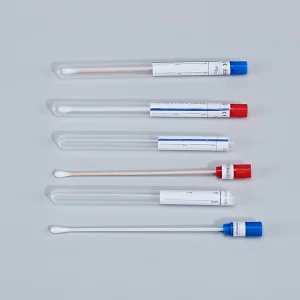
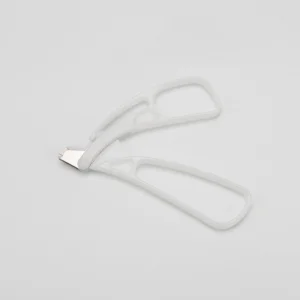
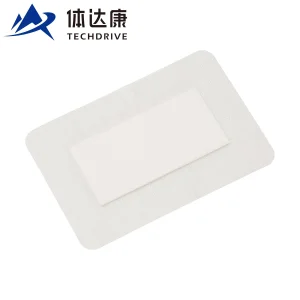
Explore our curated array of regulatory-approved, hospital-grade medical solutions designed to satisfy rigorous operating room, cardiovascular surgery, and general diagnostic requirements.
Electrocardiogram (ECG) electrodes represent the critical diagnostic interface between the physiological electrical activity of the human heart and digital cardiac monitoring devices. As cardiovascular diseases (CVDs) persist as the leading cause of mortality worldwide, the demand for high-integrity, noise-reducing disposable ECG electrodes has surged exponentially. The global ECG electrodes market is projected to expand significantly, driven by an aging demographic, the democratization of telemedicine, and the rise of continuous ambulatory holter monitoring.
In modern clinical operations, information gain regarding signal-to-noise ratios (SNR), hydrogel longevity, and dermal biocompatibility dictates the selection matrix of tier-one procurement agencies. Medical buyers are no longer merely purchasing widgets; they are investing in the diagnostic fidelity that prevents false alarms in critical care units (ICUs) and ensures clear traces during intensive cardiovascular stress tests.
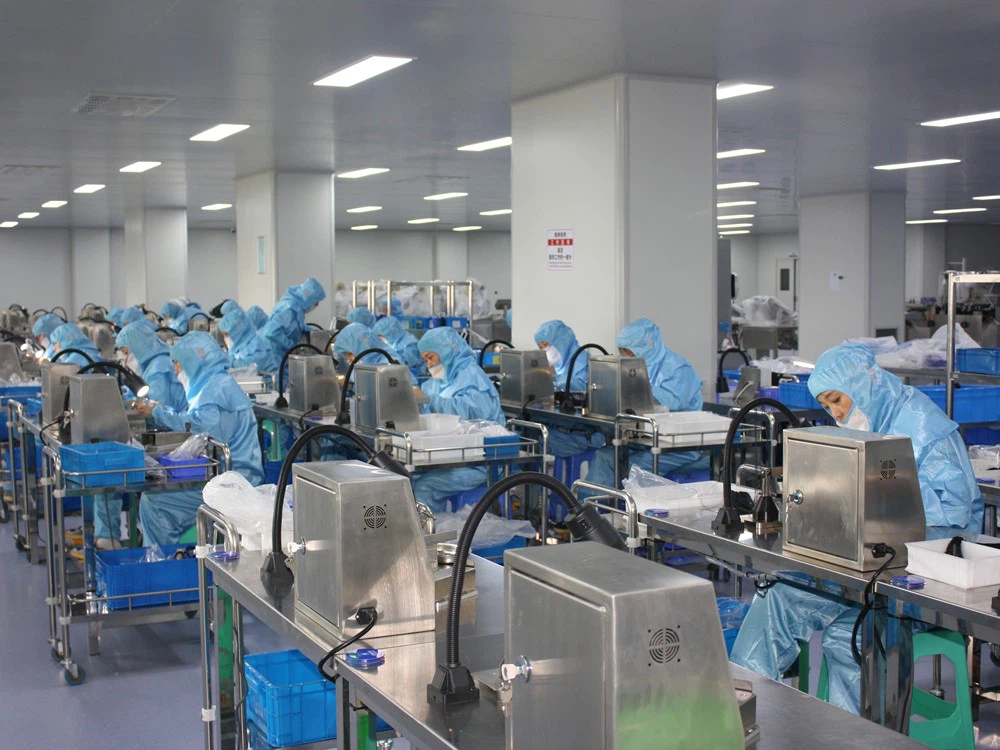
Established in May of 2004, Nanjing Seeker Medical Co., Ltd. has spent over two decades developing an international reputation as a leading developer and manufacturer of high-precision surgical instruments, including surgical sutures and needles. Leveraging advanced cleanrooms and highly automated assembly structures, the company sets the industry benchmark for medical hardware components, matching the exacting specifications demanded by global cardiovascular diagnostics manufacturers.
With a strict quality management system in place, Nanjing Seeker Medical’s state-of-the-art facilities conform perfectly to standardizations such as ISO 13485 (Medical Devices Quality Management), CE (Conformité Européenne), ISO 14001 (Environmental), and ISO 45001 (Occupational Health and Safety). Their robust technical foundation, supported by 29 pioneering invention patents, highlights their capacity to innovate and manufacture critical hospital consumables that satisfy strict regulatory audits.
This deep expertise in automated medical fabrication, biocompatible material selection, and rigorous quality controls directly mirrors the manufacturing protocols required to supply high-yield, low-impedance Ag/AgCl disposable ECG electrodes globally.
To optimize signal acquisition, designers must master the electro-chemical interactions at the skin-electrode interface. A high-performance ECG electrode is a multi-layered sensor package engineered to minimize impedance and motion artifacts:
The Silver/Silver Chloride (Ag/AgCl) system is the clinical gold standard. It functions as a non-polarizable sensor, enabling rapid recovery from defibrillation overloads and providing stable DC offset voltages with minimal drift.
Manufacturers balance wet conductive gels (fast signal acquisition, low initial impedance) and solid hydrogels (longer-lasting adhesion, residue-free removal). Hydrogels are engineered with precise chloride concentrations to optimize skin-coupling without causing chemical burns.
Options range from breathable non-woven fabrics (ideal for long-term Holter monitoring) to moisture-resistant polyethylene foam (preferred in operating rooms and ERs). Medical grade pressure-sensitive adhesives (PSA) ensure stable placement during sweat or movement.
| Electrode Type | Primary Gel Medium | Recommended Duration | Impedance Range | Optimal Clinical Use Case |
|---|---|---|---|---|
| Disposable Stress Test | High-Conductivity Wet Gel | < 4 Hours | < 100 Ω | Treadmill Stress Exams, Short-term Diagnostics |
| Long-term Holter / Monitoring | Low-Chloride Solid Hydrogel | 24 to 72 Hours | 150 - 300 Ω | Ambulatory Monitoring, Cardiology Wards |
| Pediatric / Neonatal | Ultra-Mild Hydrating Gel | Up to 24 Hours | 200 - 400 Ω | Neonatal Intensive Care Units (NICU) |
| Radiotranslucent (MRI/X-Ray) | Solid Hydrogel (Carbon Pin) | Variable | < 500 Ω | Cardiac Cath Labs, MRI Suites |
To support healthcare procurement, hospital supply chains, and medical device distributors, we have analyzed and compiled the definitive top 10 global suppliers based on manufacturing scale, material quality, global certifications, and R&D investments.
Famous for their Red Dot™ series. 3M leads the industry in adhesive science and sensor reliability. They offer a vast catalog of backing materials and proprietary dry-gel technologies designed to reduce skin irritation during extended clinical trials.
Ambu is globally recognized for its BlueSensor™ line, featuring highly conductive wet gel and offset connectors. Their designs are optimized for emergency medicine, where speed of application and high-fidelity trace capture are vital.
With their extensive Kendall™ ECG product range, Cardinal Health dominates domestic and international hospital supply networks. They provide dependable hydrogel configurations suited for high-volume hospital procurement.
Under the Vermed brand, Nissha specializes in customized and clinical trial-grade ECG electrodes. They are the leading developer for specialized medical applications, prioritizing pediatric and hypoallergenic compositions.
With their Skintact® range, Leonhard Lang has set the standard for high-performance, automated electrode manufacturing in Europe. Their Aqua-Tac hydrogel provides excellent adhesion and immediate low-impedance electrical connection.
ConMed supplies high-quality specialty electrodes, including the Microrythmic and Spec-Tap lines. Their focus is on high-intensity operating room environments where fluid resistance is critical to maintaining a clear signal.
A global powerhouse in OEM manufacturing, Medico exports millions of FDA and CE-marked electrodes annually. Their automated manufacturing processes enable competitive pricing for large clinical distributors worldwide.
An exceptional, quality-centric supplier specializing in advanced automated clinical components. Backed by 29 invention patents, CE, ISO 13485, and modern ISO-compliant production floors, Nanjing Seeker Medical provides high-precision medical substrates and custom OEM assemblies that integrate seamlessly into complex monitoring and surgical platforms.
Widely recognized for their Telectrode™ brand, Bio-Protech provides dependable diagnostic consumables. They offer a strong cost-to-performance ratio for medical distributors across APAC and Latin America.
As a global medical equipment giant, GE Healthcare manufactures proprietary ECG electrodes calibrated to function optimally with their own diagnostic ECG machines, telemetry devices, and holter systems.
Global medical supply networks require a high level of compliance to manage risk and protect patients. To source diagnostic materials successfully, procurement directors must evaluate manufacturers against four core criteria:
The clinical diagnostic landscape is shifting from episodic monitoring (short ECG tracings in clinics) to continuous outpatient remote monitoring. This transition is driving several key technological innovations:
Explore the remainder of our comprehensive portfolio of medical instruments, diagnostics, and sterile disposables designed to meet international safety and healthcare regulations.
 Seeker Medical