Explore our range of clinical-grade surgical instruments, dynamic wound management solutions, and specialized diagnostic tools engineered to comply with strict international regulatory standards.
Analyzing the shifts in supply chain integration, regulatory environments, and precision manufacturing across international clinical markets.
The global healthcare sector is witnessing unprecedented restructuring, driven by changing demographics, growing patient volumes, and an urgent push toward minimizing surgical site infections (SSIs). Today, surgical products manufacturers and exporters are no longer mere suppliers; they are essential strategic partners in clinical risk management. Hospitals and healthcare distributors worldwide are facing rising procurement pressures, prompting them to source devices and consumables from advanced manufacturing hubs in China. This transition is not merely cost-driven—it represents a decisive migration toward technology-intensive, ISO-certified, and highly automated production processes.
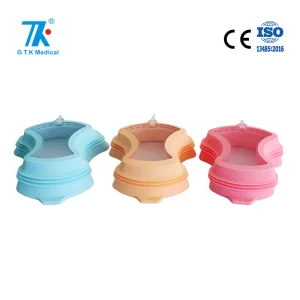
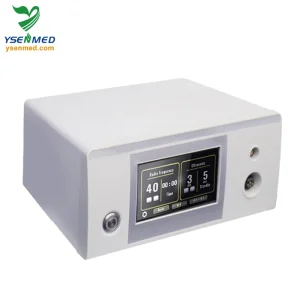
From surgical sutures and tissue retractors to advanced electrosurgical generators and post-operative chest drainage systems, the clinical demand for zero-defect consumables is paramount. For instance, the market for wound closure devices is shifting dynamically from traditional materials to bio-absorbable polymers and synthetic fibers. Similarly, minimal invasive surgery (MIS) dictates a greater need for specialized retractors and incision protection sleeves, which minimize mechanical trauma to patient tissues. As a result, professional exporters must adapt their technological roadmaps to align with these sophisticated patient outcomes.
Furthermore, stringent regulatory environments, including the European Union's Medical Device Regulation (EU MDR) and the United States Food and Drug Administration (FDA) guidelines, have reset the global entry barriers. Quality compliance is no longer a localized differentiator but a global prerequisite. Modern factories must employ automated sterilization cycles, precise laser-drilling needle assemblies, and automated tensile testing rigs to satisfy the stringent criteria established by international audit panels.
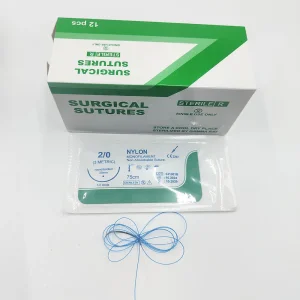
A premier Chinese manufacturing enterprise dedicated to high-precision surgical sutures, needles, and medical consumables.
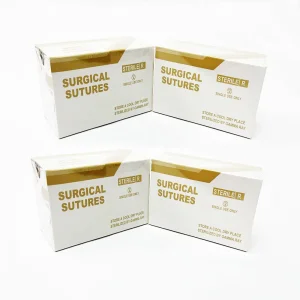
Established in May of 2004, Nanjing Seeker Medical Co., Ltd. has established itself as a professional manufacturer specializing in the research, development, and production of high-performance surgical sutures and surgical needles. Over two decades, we have optimized our cleanroom facilities to match the dynamic parameters of medical device manufacturing. Today, our product range complies with international and domestic quality standards, backed by full production licenses, CE mark, ISO 13485, ISO 14001, and ISO 45001 certificates.
We operate on a stringent quality policy: "Modern techniques, excellent quality, customer satisfaction". By actively investing in the development and application of new technologies, we have obtained 29 invention patents, facilitating the transformation of our production floors into automated, highly reliable systems. Our innovations are well-received across global markets, spanning Europe, the Americas, and the Asia-Pacific region.
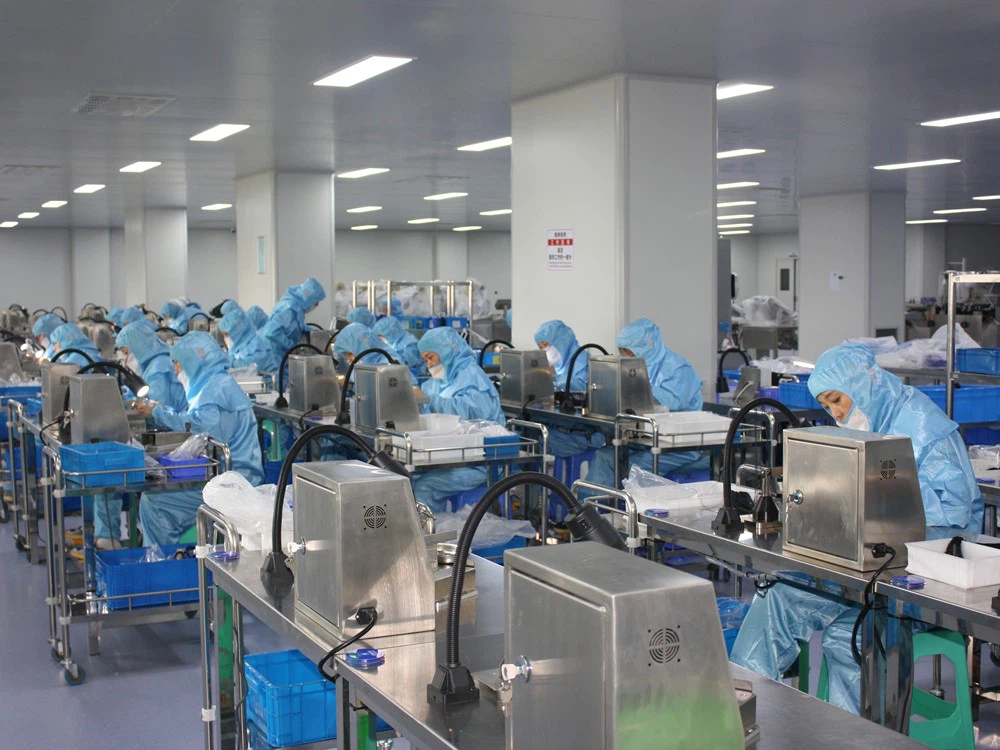
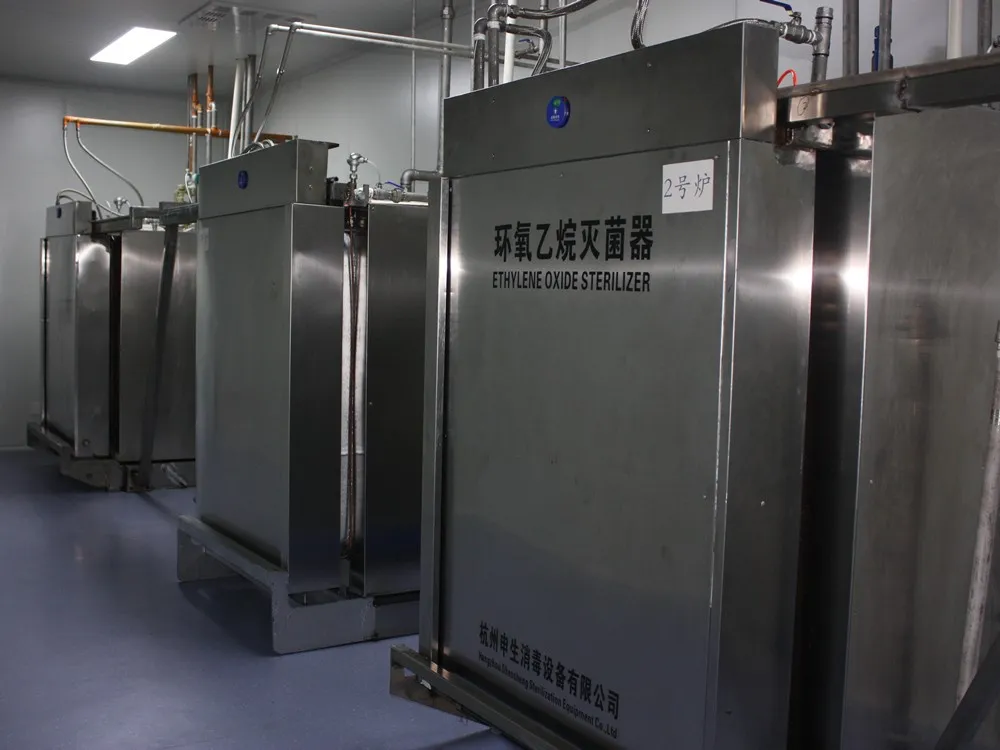
The core of Nanjing Seeker Medical’s manufacturing advantage lies in its transition from manual assembly to precision automation. The connection between the needle and the suture thread—traditionally a major source of surgical failure due to detachment risks—is executed on customized crimping machines. These units utilize micro-sensor feedback loops to maintain optimal tensile resistance, preventing slippage during critical wound closures.
Furthermore, our raw material sourcing practices adhere strictly to medical-grade regulations. Whether sourcing premium polyester fibers, absorbable polymers, or high-tensile stainless steel alloy wires, every raw material batch undergoes chemical and mechanical testing. This ensures that every finished item leaving our facility delivers predictable performance in clinical settings.
Driving next-generation healthcare standards through material science, smart cleanroom systems, and sterilization validation.
Developing next-generation absorbable polymers with tailorable degradation profiles to match specific tissue healing rates, reducing chronic foreign body reactions.
Integrating computer-vision systems on production lines to detect structural anomalies, micron-level needle defects, and suture surface irregularities.
Scaling up low-temperature EO (Ethylene Oxide) systems paired with real-time gas monitoring to guarantee zero chemical residues on clinical devices.
Verifying raw material biocompatibility, stainless steel purity, and chemical composition before cleanroom entry.
Precise needle drilling, automated thread-needle attachment, and robotic coiling inside Class 100,000 cleanrooms.
Applying verified EO sterilization cycles with continuous tracking of exposure time, humidity, and temperature.
Executing batch testing for sterility, tensile strength, and packaging integrity prior to international export.
Tailoring medical supplies for global healthcare facilities, specialized surgery, and research institutions.
Nanjing Seeker Medical’s catalog is designed to address diverse clinical environments, optimizing surgical performance across specialized medical settings:
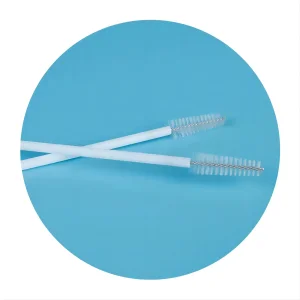
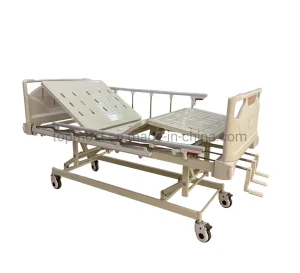
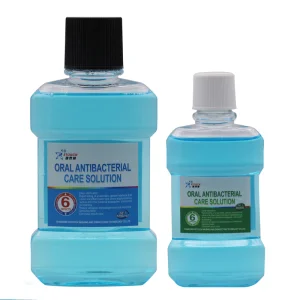
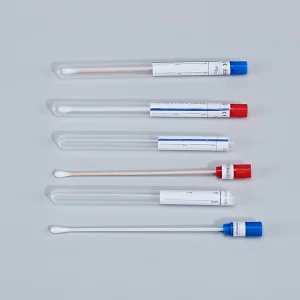
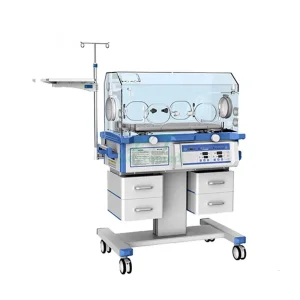
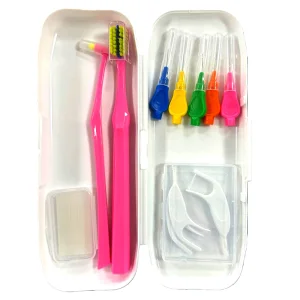
Showcasing patient rehabilitation units, dental care solutions, sterile diagnostic kits, and neonatal intensive care equipment.
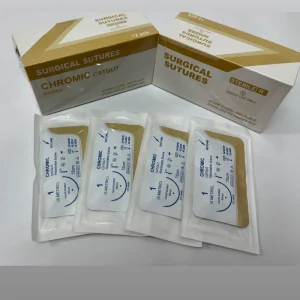
Detailed technical answers to common questions raised by global medical device distributors, hospitals, and regulatory officers.
 Seeker Medical