Explore our core clinical range manufactured under strict ISO 13485 standards, featuring precision-engineered medical supplies for global healthcare sectors.
In the landscape of global disaster management, forensic medicine, clinical pathology, and military logistics, the demand for high-quality, reliable post-mortem containment systems is absolute. As a leading China body bags factory and supplier, our mission centers on eliminating exposure risks, ensuring respectful body management, and delivering high-capacity supply chain assurance under extreme conditions.
Historically, body bags (often designated as cadaver pouches or disaster recovery bags) were treated as basic textiles. Today, modern biosafety protocols, including WHO directives and EPA regulations, have established strict chemical and physical thresholds for these products. This white paper highlights the advanced materials science, technical requirements, and global logistics structures that define the contemporary mortuary containment industry.
Year Established
Invention Patents
ISO & CE Compliant
Max Load Capacity
Developing a dependable body bag requires careful material engineering. The primary concern is preventing fluid leakage and containing airborne pathogens, while also remaining compatible with diverse disposal processes like cremation or alkaline hydrolysis.
Polyethylene Vinyl Acetate (PEVA) is the gold standard for cremation-safe pouches. It is chlorine-free, releases no toxic dioxin gases upon incineration, and remains highly flexible down to -30°C.
For military and forensic field recoveries, reinforced Polyvinyl Chloride (PVC) and Thermoplastic Polyurethane (TPU) offer exceptional puncture resistance and load capacity up to 300 kg.
Unlike sewn seams that leave needle punctures, Radio Frequency (RF) heat welding fuses the polymer sheets at a molecular level, establishing a 100% leakproof, gas-tight seam.
A reliable supplier must offer diverse options matching specific use cases:
"Biosecurity begins at containment. When dealing with highly infectious viral pathogens, the mechanical integrity of the polymer envelope and its closure system must be flawless. Nanjing Seeker Medical applies medical-device level quality checks to ensure zero leaks under pressure."
Managing the procurement of body bags involves distinct logistical and regulatory challenges. Buyers represent a diverse range of organizations: government defense ministries, municipal emergency services, humanitarian NGOs, forensic clinics, and wholesale funeral supply distributors.
For large-scale emergency preparedness, municipal and national agencies maintain strategic stockpiles. These stockpiles must resist degradation over decades of storage. High-grade PEVA formulations are highly stable, resisting hydrolysis and microbial breakdown when stored in dry warehouses. However, they remain highly biodegradable when buried in soil, supporting modern green burial options.
Furthermore, sourcing from a verified manufacturer in China provides cost-efficiency without sacrificing material quality. With access to raw polymer precursors and high-output RF welding lines, production can scale rapidly during global health crises or natural disasters.
Established in May of 2004, Nanjing Seeker Medical Co., Ltd. is a professional manufacturer specialized in the research, development, and production of surgical sutures and surgical needles. Over the past two decades, we have leveraged this precision medical expertise to establish advanced polymer welding and fabrication systems for custom clinical products, including medical containment systems and custom clinical bags.
Our quality management policy focuses on *modern techniques, excellent quality, and customer satisfaction*. To support our manufacturing operations, we hold ISO 13485 (Medical Devices - Quality Management Systems), ISO 14001 (Environmental Management Systems), and ISO 45001 (Occupational Health and Safety) certificates, alongside comprehensive CE markings and production licenses.
Through dedicated research and development, we have secured 29 new invention patents and successfully automated key manufacturing workflows. This high level of technical control translates directly to our mortuary product lines, ensuring that every weld, seam, and zip meets strict hospital-grade standards.
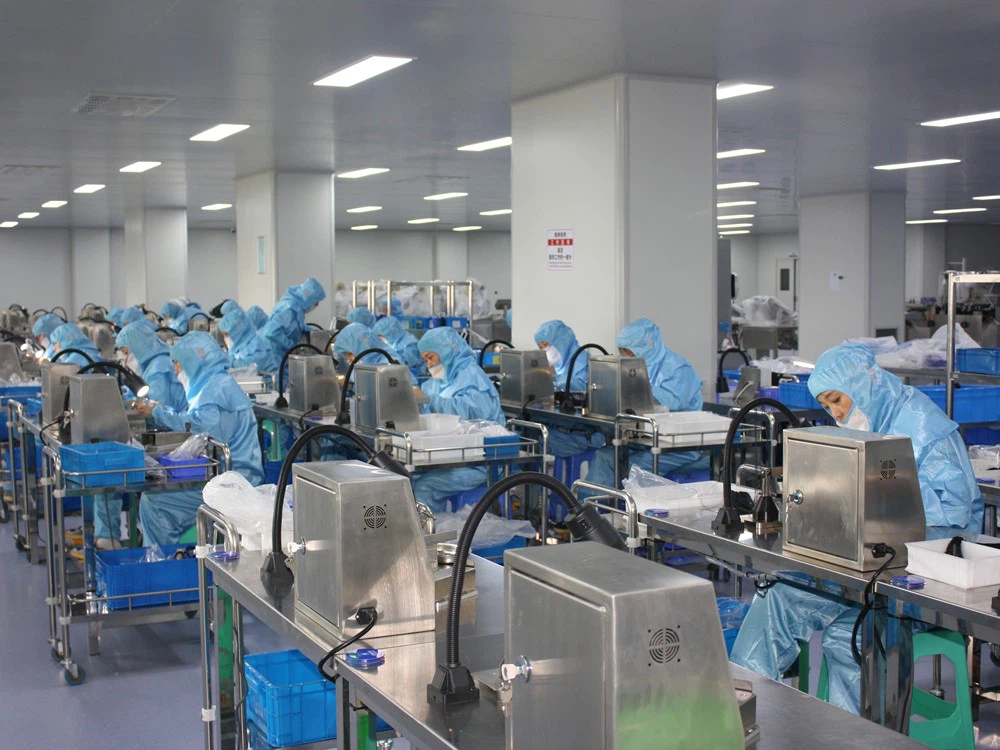
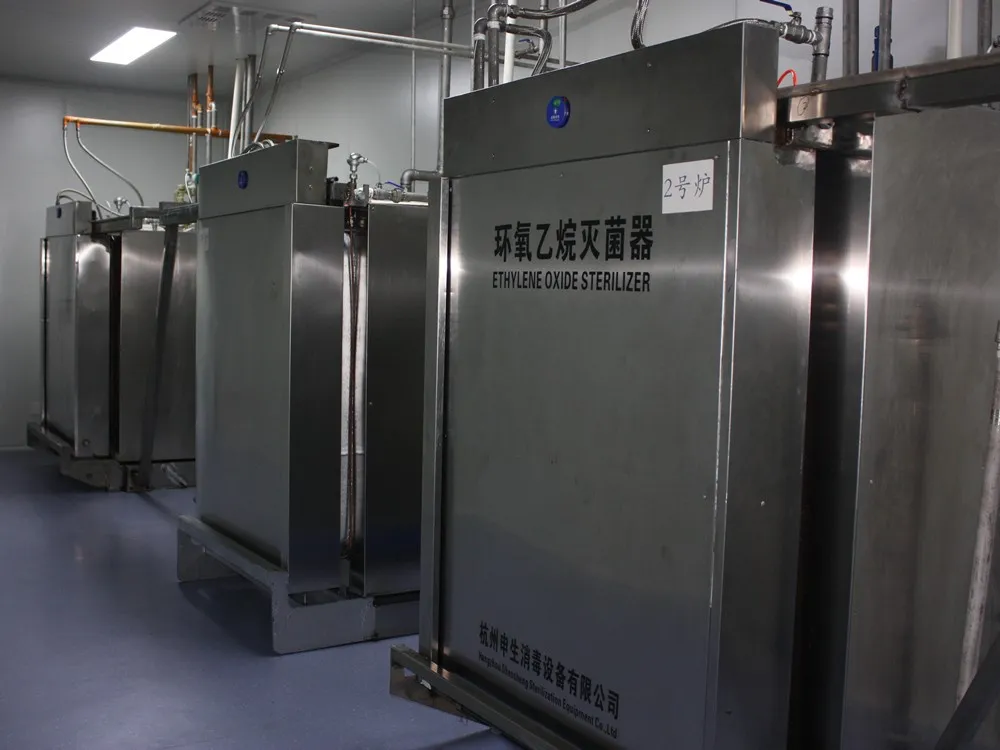
By using automated production systems, we eliminate manual sewing errors. Automated cutting tables ensure consistent dimensions, while programmable RF generators maintain exact temperature thresholds for every weld. This guarantees that our body bags deliver consistent mechanical strength and reliable leak prevention, regardless of production volume.
A key focus for modern procurement is environmental compliance. Traditional PVC bags, while cost-effective and strong, present challenges for cremation. Burning PVC releases hydrogen chloride gas, which can damage crematorium retort linings and generate harmful dioxins. As a result, many municipal authorities restrict the use of PVC cadaver bags.
Our eco-friendly PEVA materials address these challenges. They burn cleanly, producing only carbon dioxide and water vapor. This ensures full compliance with environmental protection regulations, helping funeral service providers avoid fines and maintain compliance with local clean-air standards.
Additionally, our materials comply with OSHA regulations on pathogen exposure, providing effective barriers to bloodborne pathogens and ensuring safety for mortuary technicians and forensic examiners.
Looking ahead, body bag manufacturing is incorporating smart technologies to improve tracking and safety in complex recovery operations.
Find answers to technical, regulatory, and logistics questions regarding wholesale body bag procurement.
PEVA (Polyethylene Vinyl Acetate) is chlorine-free, making it safe for cremation as it does not release toxic dioxin gases. It also remains flexible at much lower temperatures (-30°C) compared to standard PVC, which can become brittle and crack in cold storage or winter field recoveries.
Our heavy-duty cadaver bags, constructed with reinforced 0.4mm+ TPU/PEVA and featuring webbed webbing carry handles, are rated to support loads up to 300kg (approximately 660lbs) without risk of material failure or handle detachment.
We use high-frequency Radio Frequency (RF) welding machines that fuse the polymer layers together under precise pressure and heat parameters. This creates a continuous, molecularly bonded seam that is 100% leakproof, far exceeding the performance of sewn seams.
Suppliers must operate under ISO 13485 (Medical Devices - Quality Management Systems) and products must carry relevant CE markings. Nanjing Seeker Medical complies with these standards, along with ISO 14001 and ISO 45001, ensuring compliance for international distribution.
Explore additional medical products, clinic furnishings, and high-precision instruments manufactured to international health standards.
 Seeker Medical