How to Understand the Purpose of Blood Sampling in Diagnosis?

Time:2026-05-01 Author:Madeline
0%

Understanding what is the purpose of blood sampling in diagnosis is crucial for both patients and healthcare providers. Blood samples are key tools in medical diagnostics. They help detect conditions like infections, anemia, and diabetes, providing critical information about a patient's health status.

The process of blood sampling typically involves drawing blood from a vein, a procedure many find intimidating. However, knowing the purpose behind this routine task can ease some of that anxiety. Healthcare professionals rely on blood tests to analyze various components of the blood. This includes red blood cells, white blood cells, and platelets. Each component offers valuable data that informs treatment decisions.

Despite the procedure's reliability, results can sometimes be misleading. Factors like dehydration or medications may skew the results. Therefore, understanding what is the purpose of blood sampling in diagnosis requires not only knowledge but also a critical perspective on the limitations of tests. Engaging in open conversations with healthcare providers can enhance comprehension and foster a collaborative approach to health.
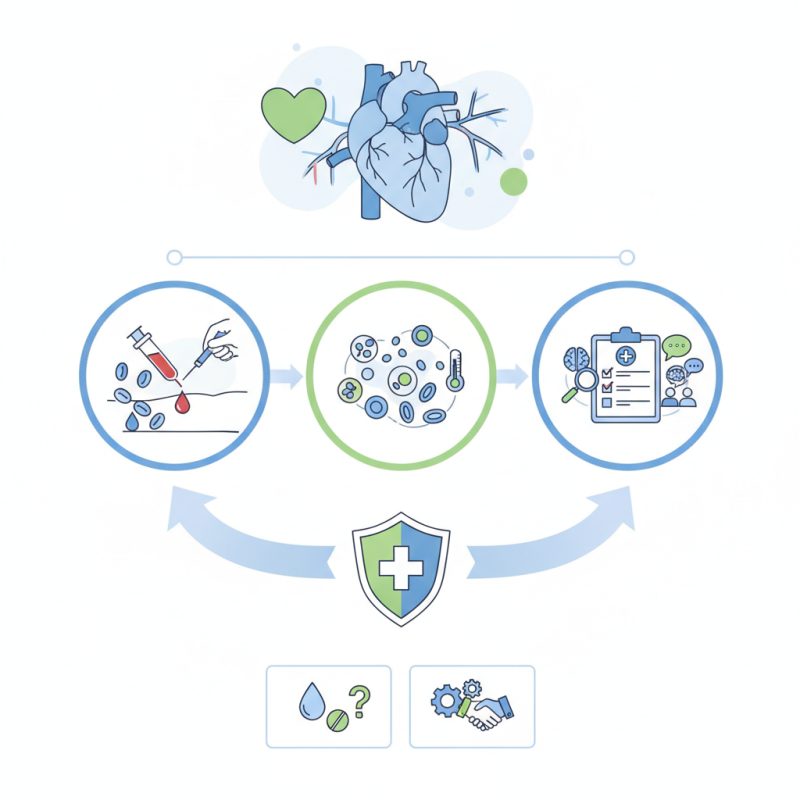
How to Understand the Purpose of Blood Sampling in Diagnosis?

Understanding Blood Sampling: An Overview of Its Diagnostic Role

Blood sampling is a critical component in the diagnostic process. It provides essential information for disease detection and management. According to the American Society for Clinical Laboratory Science, nearly 70% of clinical decisions are based on laboratory test results. This statistic highlights the crucial role blood tests play in diagnosis.

Understanding blood sampling requires recognizing its variety. Different types, like venipuncture and fingerstick, serve distinct purposes. For instance, venipuncture typically yields larger volumes needed for more comprehensive analyses. Meanwhile, micro-sampling from a fingerstick can be sufficient for rapid tests. Each method comes with its advantages and challenges, influencing test accuracy.

Data integrity is also paramount. Factors such as improper handling or timing can affect results. A study from the National Institutes of Health found that 30% of blood samples are mismanaged, leading to erroneous diagnostics. These potential pitfalls remind us of the importance of rigorous procedures in blood sampling. Proper techniques and clear guidelines are essential for achieving reliable test outcomes.

The Science Behind Blood Sampling: Techniques and Methods Explained

Blood sampling plays a crucial role in medical diagnosis. Understanding the techniques and methods used can enhance your knowledge of this vital process. Various blood sampling techniques exist, such as venipuncture and capillary sampling. Each technique serves specific diagnostic purposes and has distinct procedures.

Venipuncture is the most common method. A healthcare professional inserts a needle into a vein, typically in the arm. This technique yields larger sample volumes and is effective for many tests.

Capillary sampling, often done via pricking a finger, is useful for quick assessments, particularly in diabetic patients. The choice of method relies on the type of test and patient condition.

Tips:

  • Ensure you are hydrated before a blood test. This simple action can make your veins easier to find.
  • If you feel anxious, practice deep breathing. Relaxation can aid in a smoother experience.
  • It's essential to discuss any concerns with your healthcare provider. They can help make the process less daunting.

Blood sampling may seem routine, yet each step is vital for accurate diagnosis.

Key Laboratory Tests: Insights into Common Blood Sampling Procedures

Blood sampling is a critical aspect of medical diagnostics. It provides essential data for various laboratory tests. Understanding the common procedures can enhance patient experience. Health professionals often use blood samples to check for various conditions, such as diabetes, infections, and anemia. These tests measure hormone levels, blood cell counts, and more.

While blood sampling may seem straightforward, it involves several steps. Technicians must select the right vein and prepare the site carefully. They use sterile techniques to minimize infection risks. Patients often feel anxious during the process. Sometimes, nurses face challenges in locating veins. It is important for health practitioners to communicate clearly with patients. This can ease anxiety and build trust.

Different tests require specific volumes and types of samples. Some tests need whole blood, while others need plasma or serum. Errors in sample collection can lead to inaccurate results. For instance, mixing samples improperly can compromise test integrity. Understanding these nuances is essential in ensuring accurate diagnoses. This highlights the importance of proper technique and attention to detail in blood sampling.

Interpreting Blood Test Results: Clinical Significance and Applications

Blood tests are vital tools in modern medicine. They help physicians diagnose a range of health issues. By examining various components in the blood, doctors gain insights into a patient's metabolic processes and organ function. For instance, elevated bilirubin levels might indicate liver dysfunction. This interpretation is crucial for timely intervention.

Interpreting blood test results requires expertise. Each result, whether normal or abnormal, carries clinical significance. A high white blood cell count often points to infection, while low levels may suggest issues like bone marrow disorders. However, results can sometimes be misleading. Various factors, such as age, sex, and overall health, can impact these readings. Therefore, it’s essential for healthcare professionals to consider the broader clinical picture.

Understanding the nuances of blood test interpretations is essential for accurate diagnoses. Misinterpretation can lead to unnecessary stress or treatments. Continuous learning is vital for medical professionals to keep pace with evolving research in this area. By bridging clinical insights with patient-specific factors, practitioners can enhance diagnostic accuracy and improve patient outcomes.

Analysis of Common Blood Test Parameters

This bar chart illustrates the comparison between the normal ranges for various blood test parameters and the current values observed in a patient. Monitoring these parameters is crucial for diagnosing various health conditions and tailoring appropriate treatment plans.

Challenges in Blood Sampling: Errors, Contamination, and Best Practices

Blood sampling is essential for accurate diagnosis. However, many challenges arise during the process. Errors can occur in various stages, affecting test results. For instance, improper collection techniques lead to contamination. This can skew results and lead to misdiagnosis. Contamination often occurs from skin bacteria or improper storage.

Healthcare professionals must adhere to best practices to minimize these risks. Training staff is crucial to ensure adherence to protocols. Regular audits help identify areas for improvement. Standardizing blood collection procedures can reduce variability. Keeping equipment sterile is vital. Using quality control measures can help catch errors early.

Despite advancements, human error remains a challenge. Even experienced technicians can make mistakes under pressure. Reflexivity is important in this field. Regularly reviewing procedures can enhance reliability. Awareness of potential issues can significantly improve patient outcomes. By fostering a culture of continuous improvement, healthcare providers can better serve their patients.

FAQS

: What is blood sampling and why is it important?

: Blood sampling is a method used for medical diagnosis. It provides essential data for various tests and conditions.

What are the common techniques for blood sampling?

The two common techniques are venipuncture and capillary sampling. Each serves specific diagnostic purposes.

How does venipuncture work?

A healthcare professional inserts a needle into a vein, usually in the arm. This method yields larger blood samples.

When is capillary sampling used?

Capillary sampling involves pricking a finger. It's useful for quick assessments, especially for diabetic patients.

What should patients do before a blood test?

Patients should hydrate before the test. This makes veins easier to locate during blood sampling.

How can patients cope with anxiety during a blood test?

Practice deep breathing to relax. It's also helpful to discuss concerns with healthcare providers beforehand.

What factors can affect blood test interpretations?

Age, sex, and overall health can impact results. Misinterpretation can lead to unnecessary stress or treatments.

Why is clear communication important in blood sampling?

Clear communication between healthcare professionals and patients can ease anxiety. It helps build trust during the process.

What happens if there are errors in sample collection?

Errors, like improper mixing of samples, can compromise test integrity. This can lead to inaccurate diagnosis.

Why do medical professionals need continuous learning?

Evolving research is vital in blood sampling and interpretation. Continuous education helps improve patient outcomes and diagnostic accuracy.

Conclusion

Blood sampling is a crucial component in the diagnostic process, serving multiple purposes in understanding a patient's health. The article "How to Understand the Purpose of Blood Sampling in Diagnosis?" provides an overview of its diagnostic role, explaining that blood samples can reveal vital information about organ function, infections, and diseases. It addresses key techniques and methods used in blood sampling, ensuring accuracy in laboratory tests.

Major laboratory tests commonly performed on blood samples are highlighted, alongside insights into interpreting results and their clinical significance. Understanding what is the purpose of blood sampling in diagnosis ultimately leads to better patient management and treatment plans. However, challenges such as errors and contamination can arise during sampling, emphasizing the need for best practices to ensure reliable results. By grasping the science behind blood sampling, healthcare professionals can enhance diagnostic accuracy and patient care.

Madeline

Madeline

Madeline is a dedicated marketing professional with a wealth of expertise in our company's core offerings. With a keen understanding of the industry, she brings a unique perspective to her role, consistently delivering high-quality content that highlights the superior aspects of our products. As......