In the pursuit of effective clinical hygiene, the significance of maintaining cleanliness cannot be underestimated. Dr. Emily Carter, a renowned expert in infection control, emphasizes, "Proper hygiene practices are the backbone of patient safety." This insight highlights the critical nature of how to maintain hygiene in clinical environments.
Effective hygiene practices involve more than just routine cleaning. They require a detailed approach that incorporates the latest research and evidence-based guidelines. For instance, regular handwashing, sterilization of equipment, and the use of personal protective gear play vital roles in minimizing infection risks. However, a surprising number of clinical environments still overlook these essential measures, resulting in compromised patient safety.
Moreover, the commitment to hygiene must be a cultural norm within healthcare settings. Staff education and training are crucial to ensure everyone understands their role in upholding hygiene standards. Yet, despite these efforts, lapses can occur, underscoring the need for continuous reflection and improvement in how to maintain hygiene in clinical environments. By addressing these challenges proactively, healthcare facilities can better safeguard their patients and staff.
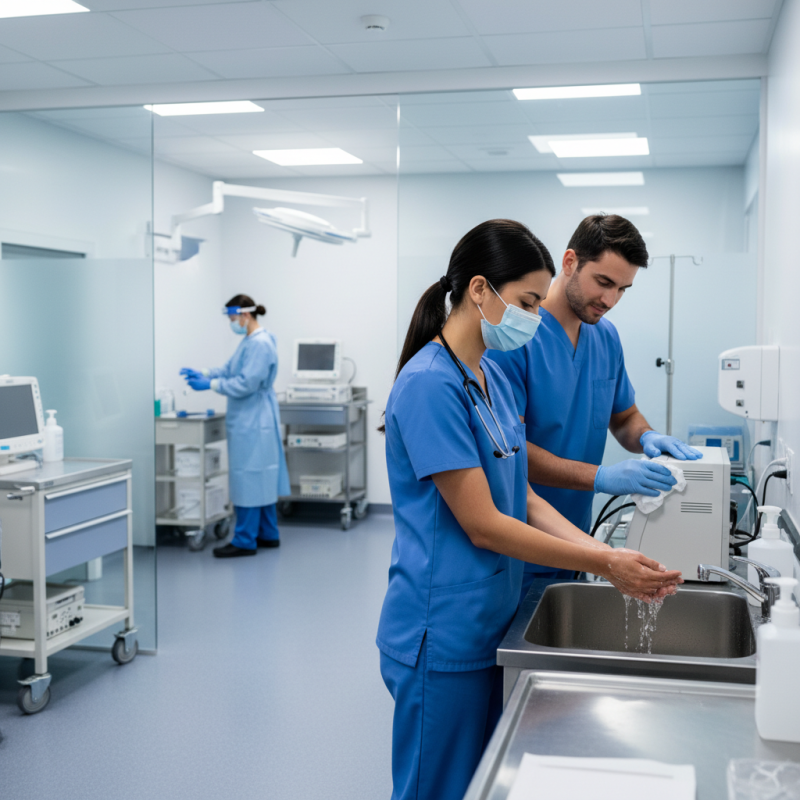
Understanding the Importance of Hygiene in Clinical Environments
Maintaining hygiene in clinical environments is vital. A study from the World Health Organization indicates that healthcare-associated infections (HAIs) affect 1 in 10 patients worldwide. Proper hygiene practices can significantly lower these risks. In hospitals, surfaces should be cleaned and disinfected frequently. High-touch areas like doorknobs and light switches need special attention.
Hand hygiene is crucial. According to the Centers for Disease Control and Prevention (CDC), cleaning hands can reduce the spread of infections by up to 50%. Yet, not all staff consistently follow protocols. In a survey, only 60% of healthcare workers reported adhering to handwashing guidelines. Training and reminders can help address this gap.
Moreover, the use of personal protective equipment (PPE) is important but often overlooked. A recent report showed that improper use of PPE can lead to contamination. Regular training sessions can enhance compliance and help build a culture of safety.
Addressing these challenges ensures a safer clinical environment for both patients and staff.
Key Principles of Infection Control for Healthcare Settings
In clinical environments, maintaining hygiene is crucial for infection control. Healthcare settings must prioritize cleanliness to protect both patients and staff. Adhering to key principles can significantly reduce the risk of infection.
Regular hand hygiene is a foundational practice. Washing hands with soap and water for at least 20 seconds is essential. Hand sanitizers can be effective when soap is unavailable. It's important to keep hands clean before and after patient interactions.
Tip: Always use disposable gloves when handling bodily fluids or contaminated materials.
Surfaces should be disinfected frequently. High-touch areas like doorknobs, light switches, and equipment need regular cleaning. Use appropriate disinfectants recommended by health authorities. Staying organized aids in maintaining cleanliness. Consider designating a specific area for dirty instruments to avoid cross-contamination.
Tip: Train staff on proper sanitation protocols regularly. Continuous education reinforces the importance of hygiene.
Despite best efforts, lapses can occur. Reflecting on practices can lead to improvements. Assessing routine procedures helps identify weaknesses in infection control. Regular evaluations foster a culture of safety in clinical settings.
Essential Hygiene Practices for Healthcare Workers
In clinical environments, maintaining hygiene is crucial for patient safety. Healthcare workers are on the front lines, often exposed to infectious agents. Research shows that healthcare-associated infections (HAIs) affect 1 in 31 hospital patients. This statistic underlines the need for strict hygiene measures among healthcare professionals.
Regular hand hygiene is foundational. According to the World Health Organization (WHO), proper handwashing can reduce infections by up to 50%. Workers should wash hands with soap and water or use alcohol-based hand sanitizers when necessary. Sometimes, staff may forget to do this before and after patient contact. To mitigate this, placing hand sanitizers at every bedside can enhance compliance.
Another essential practice is the use of personal protective equipment (PPE). Gloves, masks, and gowns protect both staff and patients from potential contaminants. However, it’s vital to remember that PPE must be used correctly. Missteps, like reusing gloves or neglecting to change them between patients, can lead to cross-contamination. Frequent training sessions on PPE usage can maintain awareness and informed practices.
A thorough cleaning regimen is also key. A study found that proper cleaning protocols can decrease environmental pathogens by 90%. Yet, surfaces may still be overlooked. Routine audits can help identify these gaps. Regular training on cleaning procedures can solidify these best practices. By emphasizing these hygiene practices, healthcare workers can help reduce infection rates and enhance patient care.
Implementing Effective Cleaning Protocols in Clinical Facilities
Cleaning protocols in clinical facilities are vital for maintaining hygiene. According to the CDC, nearly 1 in 31 hospital patients has at least one healthcare-associated infection (HAI). Effective cleaning processes can significantly reduce these risks. Staff training on proper techniques is essential. Adequate knowledge on disinfectants and cleaning agents is equally important.
Implementing regular audits can help to identify areas needing improvement. A study showed that structured cleaning schedules reduced contamination by 65%. Using color-coded cleaning materials can also minimize cross-contamination, enhancing safety. However, not all settings adopt these protocols. Areas like waiting rooms often receive less attention. This inconsistency can lead to patient exposure.
Feedback from healthcare staff is crucial. They can provide insights into the effectiveness of current cleaning practices. Investing in reliable cleaning technologies, such as electrostatic sprayers, could improve results. Additionally, encouraging a culture of hygiene within staff can uplift standards. It's essential to regularly review and adapt cleaning protocols based on real-world observations and data.
Training and Education for Maintaining Hygiene Standards in Clinics
Training and education are vital for maintaining hygiene standards in clinical environments. Effective training programs ensure all staff members understand best practices for infection control. Regular training sessions can help reinforce the importance of hygiene. Engaging staff with role-playing or scenarios enhances understanding and retention of these practices.
Tips: Conduct frequent workshops. Use real-life examples to illustrate the impact of poor hygiene practices. Encourage questions to clarify any doubts.
Education should include proper handwashing techniques. This seems simple but is often overlooked. Staff must be reminded that hand hygiene reduces the risk of infections significantly. Visual reminders in restrooms can serve as effective prompts.
Tips: Post handwashing steps near sinks. Use colors and easy-to-read fonts. Engage staff by having them demonstrate handwashing to each other.
Reflection on hygiene practices is crucial. Regular assessments could reveal gaps in knowledge or implementation. Encourage an open culture where staff can voice concerns without fear of judgment. Continuous feedback loops help improve hygiene standards. Involving the whole team ensures everyone has a stake in maintaining cleanliness.
Hygiene Compliance in Clinical Environments
Conclusion
Maintaining hygiene in clinical environments is crucial for preventing infections and ensuring patient safety. This article outlines the significance of hygiene in healthcare settings, emphasizing key principles of infection control that every facility must adhere to. Essential hygiene practices for healthcare workers are highlighted, including hand hygiene, proper use of personal protective equipment, and protocols for handling contaminated materials.
Furthermore, the article discusses the implementation of effective cleaning protocols in clinical facilities, ensuring that all areas are properly disinfected and maintained. Training and education play a pivotal role in upholding hygiene standards, equipping staff with the knowledge and skills necessary to maintain a clean and safe environment. By understanding how to maintain hygiene in clinical environments, healthcare providers can significantly reduce the risk of healthcare-associated infections and promote overall patient well-being.

 Seeker Medical