Why is Sterile Medical Equipment Essential in Healthcare?

Time:2026-08-15 Author:Isabella
0%

In healthcare, the importance of sterile medical equipment cannot be overstated. According to a 2022 report by the World Health Organization, approximately 1 in 10 patients acquires an infection in healthcare settings, often due to improper sterilization practices. This statistic highlights the critical role that sterile instruments play in preventing outbreaks. Dr. Emily Carter, a leading expert in infection control, emphasizes, “Ensuring that medical equipment is sterile is vital for patient safety.”

The consequences of using non-sterile equipment can be severe. Infections can lead to prolonged hospital stays, increased healthcare costs, and even greater mortality rates. A study from the Journal of Hospital Infection found that 50% of surgical site infections were linked to contaminated instruments. This raises important questions on current sterilization practices in many facilities. Health systems must continually evaluate their protocols to enhance patient safety.

Despite advancements in sterilization technologies, some facilities still fall short. Resources may be limited, or staff may lack adequate training. Reflecting on these challenges is essential. Examining policies and practices can shed light on areas needing improvement. Addressing these issues helps clarify why sterile medical equipment is important in healthcare. The safety of patients relies on it.
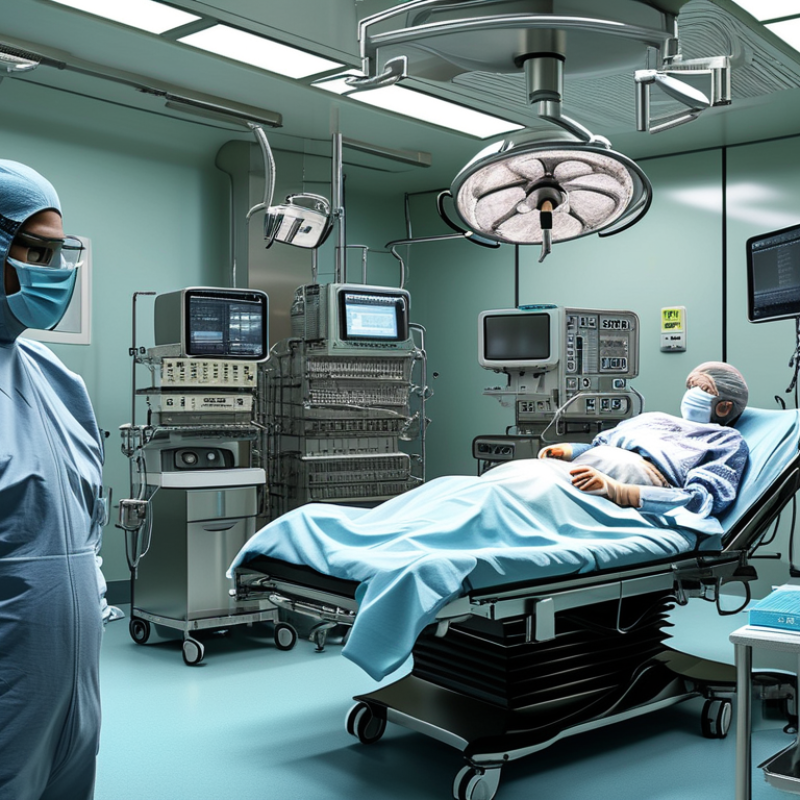
Why is Sterile Medical Equipment Essential in Healthcare?

Importance of Sterile Medical Equipment in Infection Prevention

In the healthcare field, sterile medical equipment plays a crucial role in preventing infections. Contaminated tools can lead to severe consequences for patients. Surgeries and medical procedures require the highest level of cleanliness. When equipment is not sterile, it becomes a breeding ground for bacteria and viruses.

Proper sterilization techniques are essential. The use of autoclaves, chemical sterilants, and other methods must be thorough. Healthcare providers must regularly inspect and validate their sterilization processes. This vigilance ensures that instruments remain free from pathogens.

**Tip:** Always follow strict protocols for cleaning equipment. Regular staff training on sterilization standards is key to maintaining safety.

Additionally, acquiring sterile supplies from reliable sources is vital. Not all products are created equal. Quality control checks are necessary to ensure compliance with health regulations. Even a slight lapse can put patients at risk.

**Tip:** Stay updated on the latest sterilization guidelines from health authorities. Implementing best practices can save lives.

Contamination risks exist at every stage. Therefore, healthcare settings must foster a culture of safety and diligence. Consistent attention is required to uphold these standards in medical environments.

Understanding the Risks of Contaminated Medical Tools

In healthcare, contaminated medical tools pose serious risks. According to the Centers for Disease Control and Prevention (CDC), healthcare-associated infections (HAIs) affect 1 in 31 hospital patients on any given day. These infections can arise from improper sterilization of medical equipment. When tools like syringes, scalpels, or endoscopes aren’t properly cleaned, they can harbor bacteria and viruses. This leads to complications for patients and increased treatment costs.

Surveys indicate that 39% of healthcare professionals admit to witnessing improper cleaning practices. Such negligence can result in the transmission of pathogens. For instance, a study reported that surgical site infections can increase hospital stays by an average of 7 days. The financial burden on healthcare systems can be staggering. The average cost of each HAI is estimated to be between $13,000 and $95,000.

Failing to adhere to sterilization protocols also poses a moral and ethical dilemma for healthcare providers. Patients trust that they will receive safe care. When tools are not sterile, that trust is broken. The responsibility lies with healthcare organizations to ensure proper training and adherence to sterilization standards. It’s crucial to reflect on these practices and make necessary adjustments for patient safety.

Regulatory Standards for Sterilization in Healthcare

Sterile medical equipment is pivotal in maintaining safety and quality in healthcare settings. Regulatory standards for sterilization are critical in achieving this goal. For instance, the CDC’s guidelines state that at least 1 in 10 surgical procedures involve an infection due to improperly sterilized tools. Such statistics emphasize the importance of adhering to strict sterilization protocols.

Sterilization techniques must meet specific regulatory standards. Autoclaving, ethylene oxide gas, and hydrogen peroxide plasma are commonly used methods. The Association for the Advancement of Medical Instrumentation (AAMI) stresses that each method requires precise monitoring to ensure effectiveness. For example, biological indicators must be used regularly to verify that the sterilization process is successful.

Tips: Always verify the calibration of sterilization equipment. Regular audits can help identify lapses in compliance. Training staff on the latest sterilization standards is crucial. Small oversights can lead to significant risks. Each healthcare facility must foster a culture of attention to detail regarding sterilization protocols.

Common Methods of Sterilization Used in Medical Facilities

In healthcare, sterilization is crucial for preventing infections. Numerous methods ensure medical equipment is free from harmful microorganisms. Autoclaving is one widely used technique. It employs high-pressure steam and heat to kill bacteria, viruses, and fungi on devices. This method is effective, but it requires proper timing and temperature control.

Another commonly used method is chemical sterilization. This technique utilizes agents like ethylene oxide or hydrogen peroxide. It is effective for heat-sensitive instruments. However, it requires thorough aeration to remove toxic residues, which can complicate the process. Facilities must ensure staff are trained to handle these chemicals safely.

Radiation sterilization is also vital. It uses gamma rays to disinfect equipment. This method is effective for items that cannot be steam-sterilized. Still, it can be costly and is not always practical for smaller facilities. Regularly reviewing sterilization protocols is essential for maintaining safety. Each method has drawbacks that require critical evaluation. Balancing efficiency and effectiveness remains a challenge in the medical field.

Impact of Sterile Equipment on Patient Outcomes and Safety

Sterile medical equipment is crucial for ensuring patient safety and positive health outcomes. Infection risks rise when healthcare professionals use non-sterile instruments. According to studies, the use of sterile tools directly correlates with lower infection rates in surgical procedures. When tools are properly sterilized, patient recovery is smoother and faster.

In addition to reducing infection rates, sterile equipment promotes trust. Patients feel more secure knowing that their healthcare team prioritizes cleanliness. This confidence can lead to better cooperation between patients and healthcare providers. However, lapses in sterilization can occur, highlighting the need for continuous training and strict adherence to protocols in healthcare settings.

Tips for maintaining sterile equipment include regularly reviewing sterilization protocols and ensuring all staff members are trained effectively. Simple checklists can help minimize human error. Mark areas for quick access to sterile supplies to avoid rushing. Regularly audit equipment storage practices to reinforce safe handling. By focusing on these areas, healthcare facilities can enhance patient outcomes, ultimately leading to a safer clinical environment.

FAQS

: What are contaminated medical tools?

: Contaminated medical tools are improperly cleaned instruments that can harbor bacteria or viruses, risking patient health.

Why are sterilization protocols important?

Sterilization protocols ensure tools are safe to use, reducing healthcare-associated infections and protecting patient trust.

How do healthcare-associated infections (HAIs) affect patients?

HAIs can lead to extended hospital stays and increased treatment costs, seriously impacting patients' recovery and finances.

What are common sterilization methods?

Common methods include autoclaving, ethylene oxide gas, and hydrogen peroxide plasma, each requiring careful monitoring.

What percentage of healthcare professionals notice cleaning issues?

Surveys show that 39% of healthcare professionals have witnessed improper cleaning practices, indicating a need for improvement.

What are the financial implications of HAIs?

The average cost of each HAI can range from $13,000 to $95,000, placing a heavy burden on healthcare systems.

How can healthcare facilities improve sterilization practices?

Facilities should conduct regular audits, train staff, and monitor sterilization equipment to ensure compliance with standards.

What happens when sterilization standards are not followed?

Failing to follow standards can cause infections, extended hospital stays, and a loss of patient trust in care quality.

Why is it crucial to reflect on sterilization practices?

Reflection allows organizations to identify and rectify weaknesses, ensuring patient safety and maintaining ethical care standards.

What role do healthcare organizations play in tool sterilization?

Organizations must train staff and enforce strict adherence to sterilization protocols to protect patients from preventable infections.

Conclusion

Sterile medical equipment is crucial in healthcare because it plays a significant role in infection prevention. Contaminated medical tools can lead to severe complications, including healthcare-associated infections (HAIs), which pose substantial risks to patient safety and outcomes. Understanding the various risks associated with non-sterile equipment highlights the necessity of adhering to stringent regulatory standards and best practices for sterilization within healthcare settings.

Common methods of sterilization, such as steam sterilization, ethylene oxide, and radiation, are essential in ensuring that medical instruments are free from harmful pathogens. The impact of using sterile equipment extends beyond infection control; it significantly improves patient outcomes by reducing complications, enhancing recovery rates, and fostering trust in healthcare providers. Thus, understanding "why is sterile medical equipment important in healthcare" underscores its foundational role in promoting a safe environment for patient care.

Isabella

Isabella

Isabella is a dedicated marketing professional with a sharp focus on driving brand growth and engagement through strategic content creation. With an extensive background in digital marketing, she combines her passion for storytelling with her keen understanding of industry trends to deliver......