Top 10 Factors Influencing the Performance of Medical Devices?

Time:2026-07-16 Author:Liam
0%

The healthcare industry is constantly evolving, with medical devices playing a crucial role in treatment and diagnostics. Understanding what factors affect the performance of medical devices is essential for improving patient outcomes. Several elements can influence their efficiency, from design and materials to regulatory compliance.

The design of a medical device must meet both functionality and safety standards. Poor design can lead to device failures. Materials used in production must also be biocompatible and durable. Additionally, changing regulations can impact how devices are tested and approved.

Real-world performance varies and can raise concerns. For instance, environmental factors, such as temperature and humidity, might affect device reliability. Feedback from healthcare professionals is valuable but often overlooked. Understanding these nuances can enhance device reliability and efficacy, ultimately benefiting patients.
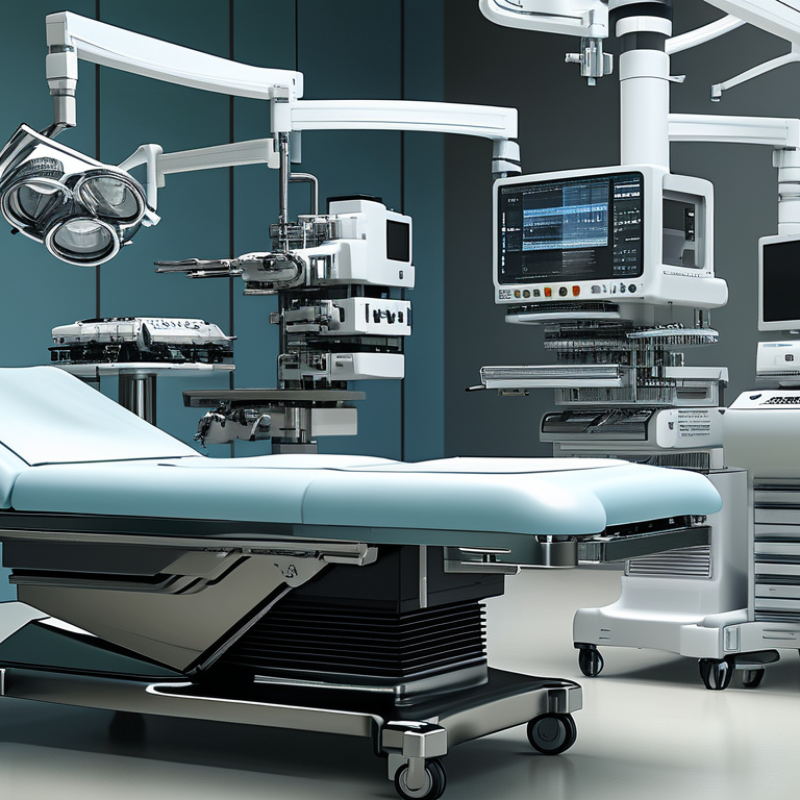
Top 10 Factors Influencing the Performance of Medical Devices?

Key Design Features of Medical Devices and Their Performance Impact

The design features of medical devices play a crucial role in their overall performance. Adjustable settings can enhance user customization, directly impacting patient comfort and outcomes. Ergonomics matter. Devices must feel intuitive and natural in a clinician's hands. When a device is bulky or awkward, it can hinder rather than help. Lightweight materials can improve usability, allowing for easier handling during critical procedures.

Moreover, the technology embedded in medical devices is essential. Advanced sensors can provide real-time data, empowering healthcare professionals with insights for better decision-making. However, complexity can be a double-edged sword. Devices that offer excessive features might confuse users. The balance between functionality and simplicity needs careful consideration.

Durability is another key design feature. A device that breaks down too easily can lead to delays in treatment. Regular maintenance becomes essential, adding to the burden on healthcare providers. Testing these devices under various conditions is vital. This process helps identify potential weaknesses and areas for improvement. Design is not just about aesthetics but also about ensuring reliable performance when it matters most. Quality assurance remains an ongoing challenge, requiring constant vigilance and innovation in the field.

Regulatory Compliance and Its Role in Medical Device Effectiveness

Regulatory compliance plays a critical role in the effectiveness of medical devices. Adhering to strict guidelines ensures that devices are safe and reliable for patients. Compliance involves rigorous testing and documentation, which can be a lengthy process. However, this thoroughness adds value; it builds trust among healthcare professionals and patients alike.

Moreover, regulatory frameworks evolve. This means manufacturers face ongoing challenges in maintaining compliance. They must continually adapt to changes in regulations. In some cases, this can lead to delays in device launches. The quest for compliance can be frustrating, but it is essential for device performance and safety.

The impact of non-compliance can be significant. Devices that fail regulatory standards may pose risks to users. This reality demands constant attention from medical device companies. Poor compliance not only jeopardizes patient safety but also damages the reputation of manufacturers. It highlights the importance of ongoing training and awareness within teams to navigate the complexities of regulation effectively.

End-User Training and Education as a Performance Enhancer

End-user training and education play a crucial role in enhancing the performance of medical devices. According to a report from the Global Medical Device Market, 45% of device malfunctions are attributed to user errors. Proper training helps mitigate these issues, ensuring that healthcare professionals use devices effectively and safely. Effective training can lead to a 30% improvement in device utilization, greatly impacting patient outcomes.

Incorporating hands-on training sessions can facilitate better understanding. Interactive workshops help users grasp complex functionalities, engaging them directly with the equipment. Notably, organizations that invested in continuous education report a 25% reduction in adverse event rates. This indicates that ongoing education is not just beneficial but essential for maintaining safety standards.

Tip: Incorporate real-life scenarios in training to enhance engagement. Real-world applications make training more relatable and memorable.

Another area to examine is the training materials. Many institutions overlook this aspect, using generic guides that lack specificity. Customized resources tailored to specific devices can significantly boost retention rates. Recognizing this need could address gaps in user knowledge and streamline device operation.

Tip: Regular feedback sessions after training can identify misunderstandings. Encourage users to voice concerns during these discussions to foster a culture of continuous improvement.

Technological Advancements and Their Influence on Device Efficiency

Technological advancements are reshaping the medical device landscape. Innovations such as artificial intelligence (AI) and machine learning are driving efficiency. A recent report by Research and Markets indicates that the global market for AI in medical devices is expected to reach $14.5 billion by 2026, growing at a compound annual growth rate (CAGR) of 44%. This growth highlights the increased reliance on technology to enhance diagnostic accuracy and operational efficiency.

Moreover, the integration of Internet of Things (IoT) technology is revolutionizing device connectivity and monitoring. Devices can now collect real-time data, allowing for proactive patient management. According to a Deloitte study, connected medical devices can reduce hospital stays by 20%, which has significant implications for patient outcomes and healthcare costs. However, the challenge remains in ensuring data security and privacy amidst this rapid advancement.

Despite these gains, reliance on technology can pose risks. Dependence on AI can lead to software failures that compromise patient care. Moreover, the need for continual updates and training may overwhelm healthcare providers. The evolution of medical devices demands continuous evaluation. Balancing advanced capabilities with practical usability is crucial to achieving optimal performance.

Market Demand Fluctuations and Their Effect on Medical Device Performance

Market demand fluctuations play a critical role in shaping the performance of medical devices. When consumer needs shift, it can create a ripple effect. Manufacturers might struggle to keep pace. This gap can lead to suboptimal device performance or delayed innovations. In some cases, devices may be designed for a specific need that suddenly changes, rendering them less effective.

Understanding market trends can significantly enhance device performance. Companies must be agile and attentive. It’s vital to invest in market research. This includes gathering data on emerging trends and patient feedback. Engaging with healthcare professionals can provide insights into real-world applications and preferences.

**Tips:** Regularly review your device portfolio. Look for signs of demand changes. It’s essential to adapt quickly. Foster open communication with stakeholders. This can help mitigate risks associated with sudden market shifts. Stay informed about competitor activities and technological advancements. Awareness can lead to better strategic decisions.

FAQS

: What is the role of regulatory compliance in medical devices?

: Regulatory compliance ensures devices are safe and reliable. It involves strict testing and documentation processes.

Why is compliance considered valuable?

Compliance builds trust among healthcare professionals and patients. It confirms that devices meet safety standards.

What challenges do manufacturers face in maintaining compliance?

Manufacturers must adapt to evolving regulations. This can lead to delays in device launches, which is frustrating.

What are the risks of non-compliance in medical devices?

Non-compliance can jeopardize patient safety. It also damages manufacturers' reputations, which is crucial for their success.

How do technological advancements influence device efficiency?

Innovations like artificial intelligence enhance diagnostics and operational efficiency. They change how medical devices operate significantly.

What benefits do connected medical devices offer?

They allow real-time data collection, improving patient management. This can reduce hospital stays by 20%, benefiting outcomes.

What risks come with reliance on technology in medical devices?

Dependence on AI can result in software failures. Overwhelmed healthcare providers may struggle with continual updates and training.

How can manufacturers ensure data security in advancements?

Ensuring data privacy amid technological growth remains a challenge. Continuous evaluations and updates are necessary for security.

Why is balancing advanced capabilities with usability important?

Optimal performance requires that devices are both advanced and practical. It reduces complications in daily healthcare practices.

What should teams focus on regarding compliance?

Ongoing training and awareness within teams are crucial. They help navigate regulatory complexities effectively.

Conclusion

The performance of medical devices is influenced by several key factors, which are crucial for ensuring their effectiveness and reliability in clinical settings. One primary aspect is the design features of the devices, which directly impact their operational efficiency and usability. Additionally, regulatory compliance is vital, as adhering to standards ensures devices meet safety and efficacy requirements, ultimately enhancing their performance in practice.

Moreover, proper end-user training and education play a significant role in maximizing device functionality, as users familiar with the devices can utilize them more effectively. Technological advancements also contribute to improving the efficiency of medical devices, incorporating innovative features and capabilities. Lastly, market demand fluctuations can affect the overall performance of medical devices by influencing production priorities and the availability of resources. Understanding what factors affect the performance of medical devices is essential for stakeholders aiming to optimize their usage in healthcare environments.

Liam

Liam

Liam is a dedicated marketing professional with a profound expertise in the industry, where he excels at highlighting the unique advantages of our core products. With a keen understanding of market trends and consumer needs, Liam frequently updates our company’s professional blog, providing......