10 Essential Tips to Improve Efficiency in Operating Rooms?

Time:2026-05-11 Author:Isabella
0%

Operating rooms are critical environments where efficiency can significantly impact patient outcomes. In this high-stakes setting, understanding how to improve efficiency in operating rooms is paramount. Each minute counts during a surgical procedure, influencing both the safety of patients and the workload of surgical teams. The coordination and preparation that precede an operation can determine its success or failure.

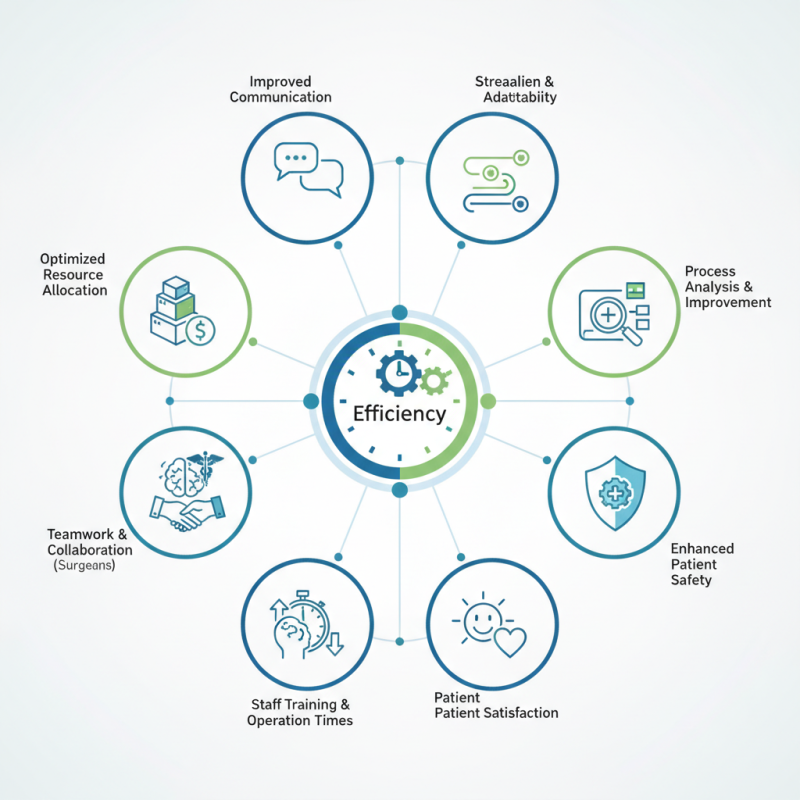
Many hospitals face challenges that hinder optimal performance. Issues like poor communication, inadequate resource allocation, and cumbersome workflows often arise. Recognizing these inefficiencies is the first step in addressing them. It's essential to analyze current processes critically and seek areas for improvement. Moreover, adopting proven strategies can lead to remarkable enhancements in overall productivity. Surgeons and nurses must work together seamlessly, and their environment should support their efforts.

Implementing change is not easy. Resistance to new methods can occur, and training staff requires time and resources. However, the potential benefits—such as reduced operation times and improved patient satisfaction—make it worthwhile. With commitment and the right approach, we can create operating rooms where efficiency thrives, ultimately benefiting both healthcare providers and patients alike.
10 Essential Tips to Improve Efficiency in Operating Rooms?

Strategies for Streamlining Surgical Workflow

Efficient surgical workflows are crucial for patient outcomes. Implementing strategies to streamline operations can make a significant difference. One effective approach is to redesign the operating room layout. A well-organized space minimizes unnecessary movement. Reducing the distance between essential tools and the surgical table is vital. This setup can save precious time during procedures.


Another key strategy involves optimizing team communication. Clear roles and responsibilities enhance collaboration among staff. Regularly scheduled briefings before surgeries allow the team to align. Using checklists can ensure that all necessary instruments are prepared. This reduces delays and enhances focus.


Training staff to adapt to new protocols is another critical aspect. Continuous education keeps the team updated on best practices. However, changes may initially face resistance. It's important to address concerns and encourage feedback. Evaluating workflow regularly can highlight what works and what doesn’t. Adjustments are often necessary to maintain efficiency in ever-changing environments.

Importance of Effective Communication Among Surgical Team Members

Effective communication is crucial among surgical team members. It directly impacts patient safety and surgical outcomes. When surgeons, nurses, and anesthesiologists communicate clearly, they reduce the risk of errors. Miscommunication can lead to complications. A small misunderstanding about a procedure can alter its success. Using standardized checklists can help clarify roles and responsibilities. This ensures everyone is on the same page.

Regular debriefings after surgeries also play a vital role. These discussions allow the team to reflect on the procedure and improve for the future. It’s a chance to share thoughts without judgment. Team members may offer insights that the surgeon did not consider. Fostering an open and respectful dialogue promotes trust and camaraderie. Team members must remember that no one is perfect. Mistakes happen, and discussing them helps prevent recurrence.

Training sessions focused on teamwork can enhance communication skills. Simulation exercises allow team members to practice in a safe environment. They can learn to speak up about concerns. Encouraging a culture where questions are welcomed is essential. Ultimately, every surgical team must strive for improvement. Effective communication is not just a goal; it is a necessity for high-quality patient care.

10 Essential Tips to Improve Efficiency in Operating Rooms

Role of Technology in Enhancing Operating Room Efficiency

In modern operating rooms, technology plays a crucial role in enhancing efficiency. Advanced surgical instruments and robotic systems streamline procedures. These tools improve precision and reduce operation time. Surgeons can achieve better outcomes with less effort. Real-time imaging technology allows for immediate assessments during surgery. This boosts decision-making speed, minimizing delays.

Staff collaboration benefits greatly from digital communication tools. Team members can access patient data instantly. This ensures everyone is on the same page, improving workflows. However, reliance on technology isn't without challenges. Cybersecurity issues pose risks to sensitive medical information. Furthermore, staff training on new technologies can be time-consuming and sometimes inadequate. Regular evaluations can help identify areas needing improvement.

Implementing electronic health records (EHR) can also transform operating room efficiency. EHRs allow for better patient tracking and minimize errors. Data can be shared swiftly among departments. Despite these advantages, healthcare professionals may experience burnout from constant updates and changes in technology. Balancing innovation with staff well-being is essential for sustainable efficiency improvements.

Training and Skill Development for Operating Room Personnel

Training and skill development in operating room personnel are vital. Research by the Joint Commission indicates that 70% of sentinel events stem from communication failures. Proper training can address these issues directly, enhancing teamwork and efficiency.

Incorporating simulations into training can significantly improve performance. A study published in “Surgical Endoscopy” noted that teams trained with hands-on simulation improved their procedural efficiency by 47%. This approach instills confidence and instinctual responses among staff. It also fosters interdisciplinary collaboration, critical in complex surgeries.

Despite advancements, challenges remain. Many operating rooms struggle with inconsistent training standards. A report from the AORN revealed that only 58% of surgical staff feel adequately prepared for unexpected challenges in the OR. This highlights a gap in ongoing education. It is essential to evaluate training programs regularly and adapt to new technologies and practices. Continuous improvement is crucial for ensuring safety and efficiency in every surgical environment.

Optimizing Equipment and Supplies Management in Surgery

In the fast-paced environment of surgery, effective management of equipment and supplies is vital. Studies indicate that poor inventory control can lead to a 30% increase in procedure delays, directly impacting patient care. To optimize this process, surgical teams should prioritize efficient tracking systems for supplies. Implementing real-time inventory management software can significantly reduce waste and streamline workflows.

A practical tip for improving efficiency is to categorize supplies by usage frequency. High-demand items should be easily accessible, while less-used supplies can be stored farther away. This not only saves time during surgeries but also minimizes clutter. Another approach involves standardizing the set-up for each surgical procedure. This will create a consistent environment that allows staff to focus on patient care instead of looking for equipment.

Continuous training on inventory protocols is essential. Despite having systems in place, human error can still occur. Research shows that hospitals with regular training sessions see a 25% reduction in inventory errors. By emphasizing the importance of accurate equipment management, surgical teams can foster a culture of accountability that benefits patients and staff alike.

10 Essential Tips to Improve Efficiency in Operating Rooms - Optimizing Equipment and Supplies Management in Surgery

Tip No. Tip Description Expected Benefits Implementation Cost
1 Standardize equipment and supplies Reduced confusion and quicker access Low
2 Implement checklists for procedures Minimized errors and increased safety Medium
3 Regular training sessions for staff Enhanced skills and teamwork Medium
4 Utilize real-time monitoring technologies Improved decision making and responsiveness High
5 Optimize supply inventory management Reduced waste and lower costs Low
6 Encourage open communication among staff Enhanced collaboration and problem-solving Low
7 Review and analyze surgical outcomes Continuous improvement in practices Medium
8 Schedule regular equipment maintenance Increased reliability and performance Medium
9 Design a streamlined workflow for surgeries Higher efficiency and reduced delays High
10 Incorporate feedback loops from staff Improved processes based on ground realities Low

FAQS

: Why is effective communication important in surgical teams?

: It directly impacts patient safety and surgical outcomes by reducing the risk of errors.

What can lead to complications during surgeries?

Miscommunication or small misunderstandings about procedures can significantly alter success.

How can surgical teams improve communication?

Using standardized checklists clarifies roles and responsibilities, ensuring everyone is aligned.

What role do debriefings play after surgeries?

They provide a chance to reflect on the procedure and gather insights for future improvements.

Why are training sessions important for surgical personnel?

They enhance communication skills and develop teamwork, which is vital in operating rooms.

What is the impact of simulation training?

It can improve procedural efficiency by 47% and build confidence among team members.

Are all surgical staff adequately prepared for challenges?

No, about 58% of surgical staff feel unprepared for unexpected situations in the OR.

How often should training programs be evaluated?

Regular evaluations are essential to adapt to new technologies and ensure continuous improvement.

What approach fosters trust among surgical team members?

Open and respectful dialogue encourages sharing thoughts without judgment.

Why should surgical teams accept mistakes?

Recognizing that no one is perfect helps prevent similar errors in the future.

Conclusion

In the quest to understand how to improve efficiency in operating rooms, several key strategies emerge. Streamlining the surgical workflow involves assessing and reorganizing processes to minimize delays and enhance coordination. Effective communication among surgical team members is crucial, as it ensures that all personnel are aligned in their roles and responsibilities, thereby reducing the likelihood of errors.

Technology plays a vital role in enhancing operating room efficiency, from advanced surgical tools to digital scheduling systems that optimize time management. Additionally, investing in training and skill development for operating room personnel ensures that staff are well-prepared and capable of adapting to new technologies and procedures. Finally, optimizing equipment and supplies management is essential to prevent shortages or delays during surgeries, ultimately leading to a more efficient and effective operating room environment. By focusing on these areas, healthcare facilities can significantly boost their operational efficiency.

Isabella

Isabella

Isabella is a dedicated marketing professional with a sharp focus on driving brand growth and engagement through strategic content creation. With an extensive background in digital marketing, she combines her passion for storytelling with her keen understanding of industry trends to deliver......