In healthcare, the importance of sterile medical equipment cannot be overstated. This equipment is crucial for preventing infections and ensuring patient safety. Hospitals and clinics rely on sterilization processes to eliminate harmful microorganisms. For patients, sterile tools mean a lower risk of complications during procedures.
Understanding why sterile medical equipment is important in healthcare reveals deeper implications. Contaminated tools can lead to serious infections. These infections can increase recovery time and result in additional treatments. In some cases, they may even lead to severe health consequences or death. Health professionals know the stakes and must prioritize cleanliness in their practices.
Despite strict sterilization protocols, lapses can occur. Equipment may become contaminated during handling or storage. Reflection on these risks emphasizes the need for ongoing training and vigilance. Every healthcare worker must commit to maintaining high standards. Thus, the discussion surrounding sterile medical equipment is not just technical; it concerns lives and well-being.
Importance of Infection Control in Healthcare Settings
Infection control is a critical aspect of healthcare. The Centers for Disease Control and Prevention (CDC) notes that healthcare-associated infections affect 1 in 31 hospital patients daily. Sterile medical equipment plays a vital role in mitigating this risk. Ensuring that instruments are free of pathogens helps protect both patients and healthcare professionals from harmful infections.
Implementing strict sterilization protocols is essential. For instance, using autoclaves can eliminate up to 99.9% of pathogens on equipment. Regular training for healthcare staff can enhance their understanding of infection control measures. Hospitals with robust infection control programs can reduce infection rates by approximately 32%, according to a report by the World Health Organization (WHO).
Tip: Always check sterilization indicators. They provide clear evidence that the sterilization process was successful.
Another important factor is the environment where procedures take place. A cluttered or unclean setting increases the risk of contamination. Research shows that maintaining a clean workspace can lower infection rates significantly. It's crucial to advocate for regular cleaning and disinfection of surfaces.
Tip: Regular audits of cleaning protocols can identify gaps in infection control methods.
Role of Sterile Equipment in Surgical Procedures
In surgical procedures, the use of sterile medical equipment is crucial. Each item, from scalpels to sutures, needs to be free of pathogens. Contaminated tools can lead to severe infections, complicating recovery. Surgeons must trust their instruments to perform safely and effectively. When equipment is sterile, it greatly reduces the risk of post-operative complications.
The environment also plays a role. Operating rooms are designed to limit exposure to contaminants. Air filtration systems and strict protocols help maintain sterility. However, human error can still occur. Tools may become unwittingly contaminated during the procedure. This underscores the importance of staff training and rigorous cleanliness standards.
Moreover, the procurement of sterile equipment poses challenges. Not all providers adhere to the same sterilization processes. Variability in procedures can affect patient outcomes. Hospitals must prioritize sourcing from reliable suppliers. This commitment to quality and safety is essential for successful surgical results.
Impact of Sterile Supplies on Patient Outcomes
Sterile medical equipment plays a crucial role in healthcare settings. The use of sterile supplies directly influences patient outcomes. Infections are a significant risk in medical procedures. Contaminated instruments can lead to serious complications. Proper sterilization reduces this risk and ensures patient safety.
When healthcare professionals use sterilized tools, they promote better recovery rates. Patients experience fewer infections and shorter hospital stays. Studies show a clear link between sterilization practices and overall health improvements. However, lapses in these practices can lead to devastating consequences. Even minor oversights in sterilization can result in infection outbreaks.
The importance of sterile supplies is evident. Yet, challenges remain. Some facilities struggle with maintaining sterilization protocols. Inadequate training and resources can contribute to these issues. Constant assessment and improvement are vital to ensure safety. Every healthcare provider must prioritize this aspect of patient care.
Regulatory Standards for Medical Equipment Sterilization
Sterile medical equipment plays a vital role in healthcare. Regulatory standards for sterilization ensure patient safety and reduce infection risk. The Centers for Disease Control and Prevention (CDC) states that healthcare-associated infections (HAIs) affect one in 31 hospitalized patients. These infections often arise from contaminated equipment.
The FDA mandates rigorous sterilization protocols for medical instruments. This includes steam sterilization, ethylene oxide gas, and hydrogen peroxide gas plasma methods. Compliance with these standards is crucial. A 2021 report found that improper sterilization can lead to serious patient complications. For instance, the Association for the Advancement of Medical Instrumentation (AAMI) estimates that nearly 75% of HAIs are preventable through proper sterilization.
Healthcare facilities must maintain strict adherence to guidelines. Yet, some institutions struggle with compliance. Insufficient training and outdated practices contribute to lapses. Regular audits and staff education are essential. Enhancing knowledge about regulatory standards can greatly improve patient outcomes. Investing in reliable sterilization methods is non-negotiable. This underlines the essential nature of sterile equipment in preventing infections.
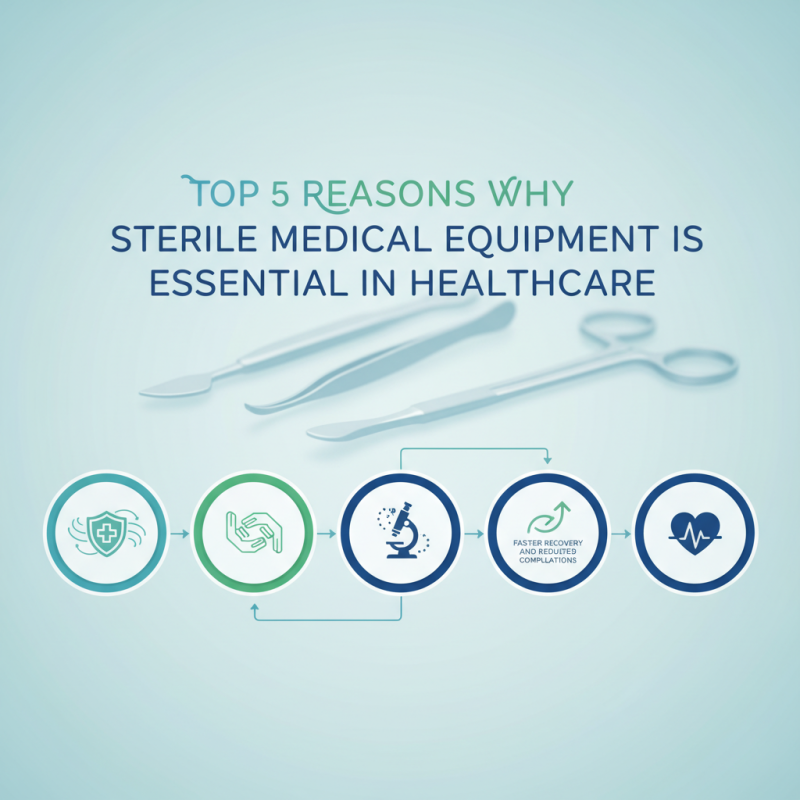
Top 5 Reasons Why Sterile Medical Equipment is Essential in Healthcare
| Reason |
Description |
Regulatory Standards |
| Infection Control |
Sterilization of medical equipment helps prevent the transmission of infections. |
ISO 13485, AAMI Standards |
| Patient Safety |
Ensures equipment is free of pathogens, reducing the risk of complications. |
FDA Guidelines |
| Regulatory Compliance |
Meeting local and international standards is mandatory for healthcare facilities. |
CDC Recommendations, OSHA Regulations |
| Quality Assurance |
Sterilization processes improve overall quality of care provided to patients. |
ISO 9001 |
| Equipment Longevity |
Proper sterilization can prolong the life of medical instruments. |
AAMI ST79 |
Best Practices for Maintaining Equipment Sterility
Maintaining the sterility of medical equipment is crucial in healthcare settings. According to the World Health Organization, nearly 1 in 10 patients are affected by infections acquired during medical care. This statistic underscores the importance of rigorous practices in sterilization. Regularly sterilizing instruments and devices minimizes the risk of healthcare-associated infections, which can be devastating for vulnerable patients.
Best practices in maintaining sterility include proper cleaning, disinfection, and sterilization protocols. Equipment should be cleaned immediately after use to prevent biological materials from drying and becoming difficult to remove. Many facilities implement automated cleaning systems, which have been shown to increase efficiency and effectiveness. The Centers for Disease Control and Prevention recommends using ethylene oxide, hydrogen peroxide, or steam sterilization as standard methods. Proper staff training on these protocols is essential, yet many healthcare workers report a lack of ongoing education.
Regular audits can help identify lapses in sterilization practices. Some studies suggest that 30% of facilities may not adhere to recommended procedures consistently. This highlights a gap that needs attention. Creating a culture of accountability can foster a more diligent approach to equipment sterilization. Healthcare providers must remain vigilant to uphold the standards of patient safety. Investing in training and technology is vital for effective sterilization.
FAQS
: Sterile equipment prevents pathogens from entering the body. This reduces infection risk and supports safer surgeries.
Operating rooms use air filtration and strict protocols. These measures limit exposure to contaminants.
Contaminated instruments can lead to serious complications. Infections complicate recovery and prolong hospital stays.
Human error is possible, even in careful environments. Training and cleanliness standards are critical for safety.
Not all suppliers follow the same sterilization standards. Variability can impact patient outcomes significantly.
Patients using sterilized tools experience fewer infections. This often leads to shorter hospital stays and better recovery.
Regulatory standards protect patients by ensuring strict sterilization protocols. Adherence greatly reduces infection rates in healthcare.
Non-compliance can result in infections and complications. Regular training and audits help improve adherence.
Investing in staff training and reliable sterilization methods is essential. Continuous assessment can enhance safety.
Poor sterilization practices contribute significantly to infections. Preventable infections highlight the critical need for strict protocols.
Conclusion
Sterile medical equipment plays a crucial role in healthcare, primarily due to its significance in infection control. In healthcare settings, the control of infections is vital to ensure patient safety, and the use of sterile equipment directly contributes to minimizing the risk of postoperative infections and complications. This is particularly important during surgical procedures where the introduction of bacteria can have severe consequences for patient outcomes.
Moreover, there are stringent regulatory standards in place that govern the sterilization of medical equipment, ensuring that all utilized items meet these requirements to maintain safety and efficacy. Best practices for maintaining equipment sterility further emphasize the importance of proper handling, storage, and sterilization techniques. Therefore, when considering why is sterile medical equipment important in healthcare, the answer lies in its fundamental role in safeguarding patient health, promoting successful surgical interventions, and adhering to vital regulatory guidelines.

 Seeker Medical