How to Ensure Safety in Surgical Procedures during Procurement?

Time:2026-05-03 Author:Ethan
0%

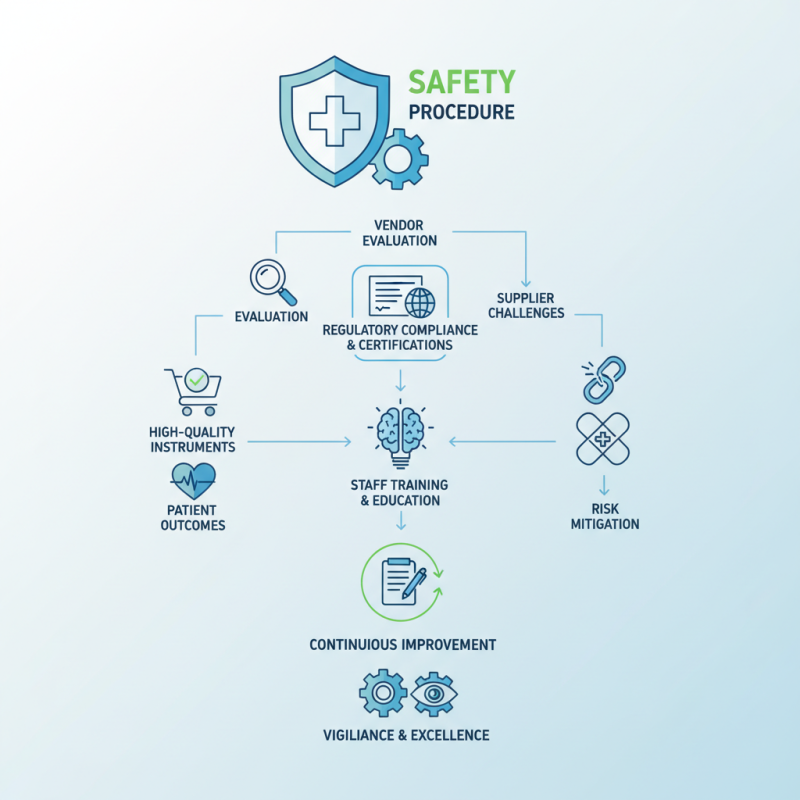
Ensuring safety in surgical procedures is critical, particularly during the procurement phase. Effective procurement directly impacts patient outcomes. By selecting high-quality instruments and materials, we lay the foundation for successful surgeries. However, challenges arise when suppliers do not meet safety standards.

Healthcare professionals must continually seek ways on how to ensure safety in surgical procedures. A robust evaluation of vendors is necessary. This includes assessing their compliance with regulations and quality certifications. Engaging in ongoing training for procurement teams can further enhance their ability to make informed choices.

Despite best efforts, lapses can occur. One must reflect on past mistakes to foster improvement. Analyzing procurement errors teaches valuable lessons about maintaining safety. Therefore, ongoing vigilance and a commitment to excellence are essential in surgical settings.
How to Ensure Safety in Surgical Procedures during Procurement?

Importance of Standardized Protocols in Surgical Procurement Safety

Standardized protocols play a pivotal role in ensuring safety during surgical procurement. According to a report by the World Health Organization, surgical errors can lead to severe complications and increase both morbidity and costs. Adopting structured guidelines can help reduce these risks significantly. Protocols provide a framework for verification, ensuring that all surgical instruments are sterile and properly functioning before procedures begin.

A study published in the Journal of Patient Safety indicated that hospitals with standardized procurement protocols saw a 30% decrease in surgical delays caused by equipment issues. This supports the notion that consistency in processes leads to better outcomes. Training staff on these protocols further enhances their effectiveness. However, reliance on these guidelines also has its drawbacks. Variation among team members in adhering to protocols can lead to lapses. Thus, regular refresher training is essential to reinforce the importance of these safety measures.

Furthermore, the dynamic nature of surgical environments can challenge protocol adherence. Situations often arise that require immediate decision-making, which can divert focus from checked procedures. It highlights the need for flexibility while maintaining room for error analysis. Continuous evaluation and modification of protocols according to real-time feedback can enhance their applicability and safety outcomes in surgical procurement.

Identifying Risks Associated with Surgical Instrument Procurement

In the complex world of surgical procedures, the procurement of instruments is a critical aspect. Risks can arise from various factors, including the quality of the instruments and the reliability of suppliers. Poor-quality instruments can lead to complications during surgeries. This can affect patient outcomes significantly. Careful evaluation of suppliers is crucial for ensuring the reliability and safety of surgical instruments.

Another risk factor is the lack of proper training for staff involved in procurement. Sometimes, procurement teams may not fully understand the technical specifications of surgical instruments. This can lead to purchasing items that do not meet the necessary standards. Professional training and continuous education are key to mitigating this risk. Keeping an open dialogue with surgical teams can also help identify specific needs.

Supply chain vulnerability is another area that warrants attention. Unexpected disruptions can delay surgery schedules. In some cases, alternative instruments may not be compatible. Regular assessments of the supply chain can help address potential weak points. A proactive approach is essential. Each element, from supplier reliability to team training, should be evaluated regularly to ensure safety in surgical procedures.

Risks Associated with Surgical Instrument Procurement

Implementing Quality Control Measures for Surgical Supplies

In surgical procedures, the safety of supplies is paramount. Quality control measures play a crucial role in safeguarding patient health. Each surgical instrument should undergo rigorous evaluation before use. This ensures that no defective materials compromise the procedure's integrity.

Tips for implementing quality control include establishing a checklist for suppliers. Verify certifications and quality assurances during procurement. Regular audits of inventory also help maintain standards and identify potential issues early. Encourage communication among staff regarding any anomalies in supplies.

Training personnel on proper handling techniques further enhances safety. This creates a culture of vigilance and responsibility. Recognizing that mistakes can occur prompts continuous improvement. Quality control is an ongoing process that requires frequent reflection and adaptation to maintain optimal safety in surgical environments.

Training Staff on Safety Procedures and Compliance Standards

Training staff on safety procedures is crucial in surgical settings. Effective training helps minimize risks during procurement. Staff must be aware of each step involved in surgical processes. Regular workshops can reinforce knowledge of safety protocols. Engaging simulations can also offer practical experience.

Compliance with standards is equally important. Staff should understand the rationale behind each safety procedure. This awareness fosters a culture of safety. However, gaps in compliance can occur. Inadequate training or forgotten protocols may lead to errors. Organizations should evaluate existing training programs for effectiveness.

Training should also include feedback mechanisms. Staff should feel comfortable voicing concerns or suggestions. This openness can uncover hidden issues.

Continuous education ensures that safety standards evolve with new practices. Reflecting on past incidents can aid in refining training efforts. The goal is to create a safe environment for everyone involved.

Monitoring and Evaluating Surgical Outcomes Post-Procurement

Monitoring and evaluating surgical outcomes post-procurement is essential for patient safety. A study highlighted that nearly 20% of surgical procedures result in complications. These complications can lead to increased recovery time and additional surgeries. Tracking surgical outcomes helps identify patterns. Hospitals can then improve their procurement processes.

Data from industry reports suggests that effective monitoring reduces complication rates significantly. When surgical outcomes are regularly analyzed, hospitals can adjust their protocols. This ensures that patients receive high-quality care. Implementing comprehensive evaluation systems proves crucial in highlighting risks. Many facilities still struggle with consistent data collection. Without reliable data, improving surgical safety remains a challenge.

Challenges in monitoring surgical outcomes include data accuracy and the time required for analysis. Many healthcare institutions find it difficult to integrate this evaluation into their workflow. Additionally, some staff may resist changes in procedures. Addressing these barriers is vital for enhancing patient care and driving successful procurement strategies. Continuous reflection on the evaluation process can lead to more robust surgical outcomes.

FAQS

: Why are standardized protocols important in surgical procurement?

: They ensure safety and reduce risks during surgical procedures.

How do standardized protocols affect surgical delays?

Hospitals with these protocols reported a 30% decrease in delays due to equipment issues.

What role does training play in ensuring protocol adherence?

Training enhances staff knowledge and can prevent errors related to compliance.

Can variation among team members affect protocol adherence?

Yes, differences in adherence can lead to lapses in safety measures.

What challenges do dynamic surgical environments pose?

They can disrupt protocol adherence, requiring immediate decision-making that diverts attention.

How can protocols be improved over time?

Continuous evaluation and feedback can help adapt protocols for better safety outcomes.

What are the risks of inadequate training in surgical settings?

It may lead to forgotten protocols and increased potential for errors.

How can staff share concerns about safety protocols?

Establishing feedback mechanisms allows staff to voice issues comfortably.

What is the importance of real-time feedback in surgical practices?

It is essential for refining training and enhancing safety standards continuously.

How can reflecting on past incidents help in surgical safety?

It aids in identifying weaknesses and improving training efforts for future safety.

Conclusion

Ensuring safety in surgical procedures during procurement is a multifaceted process that requires meticulous attention to standardized protocols. By establishing clear guidelines, healthcare facilities can effectively identify risks associated with the procurement of surgical instruments. This proactive approach is crucial for mitigating potential complications that could arise from improperly sourced equipment.

Moreover, implementing robust quality control measures is essential in maintaining the integrity of surgical supplies. Training staff on safety procedures and compliance standards further enhances the overall effectiveness of safety protocols. Additionally, ongoing monitoring and evaluation of surgical outcomes post-procurement are vital to ensure continuous improvement and the successful implementation of safety strategies. Overall, addressing these key areas is fundamental to how to ensure safety in surgical procedures.

Ethan

Ethan

Ethan is a seasoned marketing professional with a deep expertise in our company's innovative product line. With a passion for sharing knowledge and insights, he takes the lead in regularly updating our corporate blog, where he explores industry trends, product features, and effective marketing......