In the fast-paced world of healthcare, patient comfort during medical procedures is paramount. According to Dr. Emily Johnson, a leading expert in patient care, “Addressing discomfort can significantly enhance the overall experience for patients.” Understanding how to improve patient comfort during medical procedures requires a multifaceted approach.
Creating a welcoming environment is essential. Simple actions, like dimming the lights or playing soft music, can alleviate anxiety. Healthcare professionals should engage with patients, explaining each step of the procedure. Clear communication can foster trust and ease worries. Likewise, ensuring proper positioning and providing warm blankets can enhance physical comfort.
However, despite best efforts, challenges may arise. Not all patients will respond positively to comfort measures. It's crucial to recognize individual needs and adapt accordingly. Continuous feedback from patients can guide improvements, leading to more personalized care. Reflecting on these experiences allows healthcare providers to refine their strategies for enhancing patient comfort.
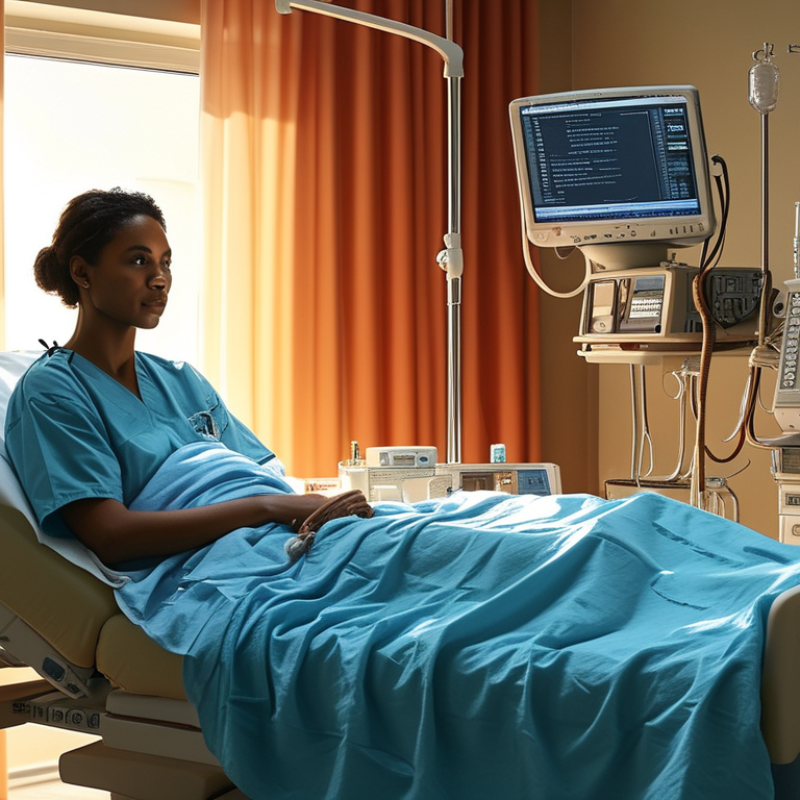
Understanding Patient Comfort in Medical Settings
Patient comfort in medical settings is crucial for effective care. It’s not just about physical health; emotional well-being matters too. Many patients feel anxious before procedures. This anxiety can stem from fear of pain or the unknown. For instance, a common strategy is to provide clear explanations about what to expect. This transparency can demystify the process, reducing fear.
Creating a calming environment also plays a vital role. Soft lighting and soothing colors can ease stress. Comfort items like warm blankets or pillows often help. However, not all patients respond the same way. Some may prefer a quiet atmosphere, while others find comfort in music or conversation. Observing individual preferences is essential.
Healthcare providers should continuously seek feedback. Patients often have valuable insights about their experiences. It’s important to acknowledge that enhancing comfort is an ongoing process. Providers can improve their approach by listening and adapting. This reflects a commitment to patient-centered care, which is fundamental in building trust and promoting healing.
Identifying Common Sources of Discomfort During Procedures
During medical procedures, discomfort can stem from various sources. Anxiety ranks high on this list. According to a study published in the Journal of Patient Safety, approximately 30% of patients report significant anxiety before procedures. This anxiety can exacerbate physical discomfort, leading to poor overall experiences.
Another common source is the physical environment. Noise, temperature, and lighting can all impact patient comfort. Research from the Environmental Health Perspectives journal indicates that patients in quieter, more controlled environments report 25% less discomfort during surgical procedures. Inadequate communication about what to expect can also heighten discomfort. Patients often express confusion and fear about procedures they don't fully understand.
Lastly, the type of anesthesia used plays a critical role in patient comfort. A report from the American Society of Anesthesiologists shows that nearly 20% of patients experience pain or unpleasant side effects from anesthesia that can affect their overall comfort. Recognizing these factors is essential for improving patient experiences. Reflecting on these discomfort sources can lead to vital changes in how care is provided, fostering greater patient satisfaction.
Strategies for Improved Communication and Reassurance
Effective communication is crucial during medical procedures. Patients often feel anxious and uncertain. Clear explanations can help alleviate some of this stress. Using simple language is essential. Complex medical jargon can confuse patients. Instead, professionals should explain procedures step-by-step. This clarity fosters trust between patients and medical staff.
Reassurance plays a significant role in patient comfort. A warm tone can soothe nerves. A gentle touch can also make a big difference. Simple gestures, like maintaining eye contact, show empathy. Patients appreciate when professionals take the time to listen to their concerns. It allows them to feel valued and understood.
However, there can be challenges. Sometimes, time constraints make interaction more difficult. Staff may feel rushed to complete tasks. It's important to recognize this issue. Finding ways to communicate effectively within time limits is necessary. Regular training can help medical professionals enhance these skills. Ultimately, improving communication and reassurance leads to better patient experiences.
Creating a Comfortable Physical Environment
Creating a comfortable physical environment can significantly enhance patient comfort during medical procedures. Hospital settings often have sterile, cold aesthetics. These elements can amplify anxiety and discomfort. According to a study by the Healing Environment Research Group, adding natural light and greenery can reduce patient stress levels by up to 25%. Many facilities overlook simple design changes that could foster a soothing atmosphere.
Noise is another factor affecting patient comfort. A report from the World Health Organization emphasizes that excessive noise can lead to increased heart rates and stress. Implementing soundproofing measures and playing calming background music can help create a peaceful environment. Thoughtful designs, such as private recovery rooms, also contribute to a more relaxed experience.
Furniture arrangement plays a crucial role in patient perception of comfort. Observations show that inviting seating areas can encourage interaction and lessen isolation feelings. Incorporating art and colors that promote tranquility can lead to a more reassuring space. Yet, not every facility prioritizes these details, which often leads to missed opportunities for enhancing comfort. Reflecting on these aspects can help healthcare providers better meet patient needs.
Implementing Distraction Techniques to Alleviate Anxiety
Medical procedures often induce anxiety in patients. Distraction techniques can significantly help alleviate this discomfort. A study published in "The Journal of Pain Research" found that engaging patients in various distractions can lower anxiety levels by up to 70%. This evidence highlights the importance of implementing mindful distraction strategies.
Patients can benefit from simple techniques. Providing headphones with soothing music or audiobooks can create a calming environment. Visual distractions, such as virtual reality goggles, have also gained attention. Research shows that just five minutes of engaging in a visual distraction can diminish pain perception effectively.
Healthcare professionals should continually seek ways to improve patient experiences. Observing a patient’s reactions to different distraction methods can offer insights. Not all patients respond the same way. Some might prefer quiet environments, while others may thrive in engaging ones. Each approach requires careful consideration of individual needs to enhance comfort effectively.
Enhancing Patient Comfort During Medical Procedures Tips
| Technique |
Description |
Effectiveness Rating (1-5) |
Recommended Use Cases |
| Deep Breathing |
A technique to help patients focus on their breath to induce relaxation. |
4 |
Before needle procedures, during waiting periods. |
| Distraction with Music |
Listening to calming music to shift focus away from the procedure. |
5 |
During surgeries, dental work. |
| Guided Imagery |
Visualization of peaceful scenes to reduce anxiety. |
4 |
Before procedures, during long waits. |
| Virtual Reality |
Using VR to immerse patients in calming environments. |
5 |
During outpatient procedures, surgeries. |
| Fidget Tools |
Providing fidget spinners or stress balls to occupy hands. |
3 |
In waiting rooms, during minor procedures. |
FAQS
: Anxiety ranks high among discomfort sources. About 30% of patients report significant anxiety, worsening their overall experience.
Noise, temperature, and lighting impact comfort. Quieter environments can lead to 25% less discomfort during procedures.
Clear explanations reduce anxiety. Using simple language helps patients understand procedures better.
Reassurance can soothe nerves. Warm tones and gentle gestures foster trust and comfort.
Finding effective communication methods is crucial. Regular training can enhance these necessary skills.
Nearly 20% of patients report pain or unpleasant side effects from anesthesia, affecting their comfort levels.
Maintaining eye contact shows empathy. It helps patients feel valued and understood during procedures.
Time constraints can limit interaction. Rushed tasks may prevent thorough communication with patients.
Acknowledging discomfort sources can lead to vital improvements in care, enhancing overall patient satisfaction.
Conclusion
Improving patient comfort during medical procedures is crucial to enhancing overall healthcare experiences. To achieve this, it is essential to understand how different factors contribute to discomfort in medical settings. Common sources of discomfort often stem from anxiety, lack of communication, and an unwelcoming environment. By identifying these factors, healthcare providers can effectively address patients' concerns and fears.
Strategies to improve patient comfort include enhancing communication and reassurance, ensuring a comfortable physical environment, and employing distraction techniques. Clear, empathetic communication helps to alleviate anxiety and fosters trust between patients and providers. Additionally, creating a soothing environment with appropriate lighting and temperature can significantly enhance comfort levels. Finally, incorporating distraction methods, such as music or visual distractions, can effectively reduce patients' focus on their discomfort. Ultimately, a multifaceted approach focusing on understanding and addressing patients' needs can lead to improved comfort during medical procedures.

 Seeker Medical