How to Choose the Right Tourniquets at the 139th Canton Fair?

Time:2026-03-25 Author:Sienna
0%

Choosing the right tourniquets at the 139th Canton Fair is crucial for businesses in the medical and health sectors. With advanced manufacturing and healthcare innovations on display, attendees have a unique opportunity to explore various tourniquet options. The fair runs from April 15 to May 5, 2026, showcasing an array of products that prioritize safety and efficiency.

Visitors should pay attention to quality certifications like ISO and CE. These certifications indicate reliability and effectiveness. It’s not just about choosing the cheapest option; some cheap products may not meet safety standards. Evaluating materials and designs can lead to informed decisions. A poorly designed tourniquet can lead to complications in emergency situations.

AI-driven features at this year’s event will help streamline the search for the right suppliers. Attendees can quickly locate certified vendors. However, relying solely on AI might overlook unique needs. Personal inspections of products should still be prioritized. This balance of technology and personal judgment can significantly enhance purchasing decisions.
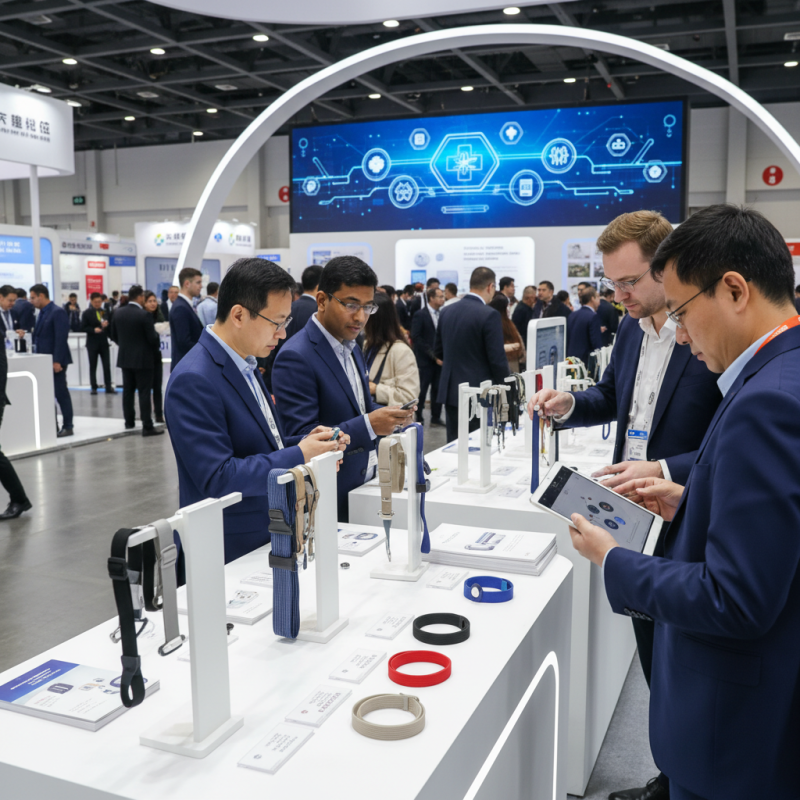
How to Choose the Right Tourniquets at the 139th Canton Fair?

Factors to Consider When Choosing Tourniquets

When attending the 139th Canton Fair, selecting the right tourniquet is crucial. Several key factors can influence your choice. First, consider the material. High-quality materials like nylon and rubber provide durability and comfort. A study by the Journal of Emergency Medical Services highlighted that effective tourniquets reduced blood loss by about 83% in emergency situations.


Next, look at the design features. A simple, adjustable mechanism can make the difference in critical moments. Ease of application is paramount. According to the American College of Surgeons, correct application reduces the risk of complications. Functional designs often include quick-release buckles, which enhance usability. However, some models may require more practice to use effectively.


Training also plays a vital role. Whether it's a hands-on workshop or online tutorial, mastering the application technique is invaluable. Reports indicate that about 30% of users struggle with correct application during emergencies. This statistic underscores the need to choose a tourniquet that you can practice with frequently. A poorly chosen tourniquet can lead to dire consequences. Remember, your choice may affect someone’s life.

Types of Tourniquets Available at the Canton Fair

At the 139th Canton Fair, a variety of tourniquets will be showcased. Understanding the types available can help you make an informed decision. There are primarily two categories: manual and automatic tourniquets. Each serves unique purposes in both emergency and medical situations.

Manual tourniquets are operated by hand. They are versatile and can be applied in various scenarios. You might find them easier to adjust if you have experience. However, if you’re new to them, practice is essential. Automatic tourniquets trigger quickly and require less skill. They may look complex, but they offer speed and efficiency during emergencies.

Tips for selection: Always check if the tourniquet is easy to use. Look for clear instructions on each product. Consider the material; it should be durable yet soft against the skin. Compare the designs—some are compact and portable, fitting easily into bags. Engage with vendors to ask about how each option works. Don’t hesitate to express your thoughts on designs or functionalities that could be improved. This will enhance your understanding of what’s available.

Comparing Tourniquet Materials and Durability

When choosing a tourniquet at the 139th Canton Fair, the material plays a crucial role. Tourniquets can be made from various materials, such as nylon, rubber, or plastic. Each type has distinct durability and flexibility characteristics. A durable material ensures the tourniquet can withstand pressure during emergency situations. Nevertheless, some may find nylon too rigid, while rubber might stretch over time. Evaluating these materials is essential.

Another aspect to consider is the ease of use. Some materials offer quick-release buckles. Others might have complicated mechanisms. Simplicity is key in a crisis. A tourniquet that is challenging to apply could lead to serious consequences. Additionally, customers often overlook how weather conditions can affect performance. Extreme temperatures may weaken certain materials.

It is important to reflect on personal preferences too. Preferences shape the ultimate choice. A user’s comfort with the material can affect its efficacy. Before making a decision, it might be wise to seek opinions from others who have used various options. Understanding what has worked or failed for them adds valuable insight. Being informed ensures a better selection aligns with needs and situations.

Regulatory Standards for Tourniquets in the Market

When selecting tourniquets at the 139th Canton Fair, it’s vital to consider the regulatory standards that govern these medical devices. Understanding these standards ensures safety and effectiveness. Many countries have specific criteria for manufacturing and testing tourniquets. For example, materials used must be latex-free and durable. The design should facilitate quick application under stress.

Consumers should be aware of various certifications like ISO and CE marking. These labels indicate compliance with international safety standards. However, not all products may carry these certifications. Some might seem effective but lack necessary testing. It's crucial to investigate the documentation behind a product. A simple online search can reveal more about a product's legitimacy and compliance.

Another aspect to reflect on is packaging and user manuals. Clear instructions are essential for effective use. Products with unclear guidance can lead to misuse. The availability of training materials is also important. Without proper training, even the best tourniquet may fail in critical situations. Being vigilant during your selection process can lead to better choices.

How to Choose the Right Tourniquets at the 139th Canton Fair? - Regulatory Standards for Tourniquets in the Market

Parameter Standard Requirement Common Materials Usage Type Certification
Width Minimum 2.5 cm Nylon, Polyester, Rubber First Aid, Emergency FDA, CE
Length Minimum 70 cm Latex-free, Antimicrobial Materials Tactical, Training ISO 13485
Tensioning Mechanism Metal buckle or self-tightening Plastic, Aluminum Sports, Home Use AHA Recommendations
Storage Conditions Avoid direct sunlight, extreme temperatures Reusable, Disposable Options Medical Facilities, Outdoor Activities EN 1865

Best Practices for Using and Maintaining Tourniquets

Tourniquets play a crucial role in emergency care. Choosing the right one can be overwhelming. Understanding how to use and maintain them is vital. Research indicates that proper training can improve outcomes by 50%. Yet, many people overlook the importance of regular checks.

When using a tourniquet, it’s essential to follow best practices. Application should occur within 1 to 3 minutes of injury. Studies show that delay can increase complications significantly. Incorrect placement can lead to severe tissue damage. The tourniquet should be placed 2 to 3 inches above the injury. Always acknowledge that not every situation will allow for perfect placement.

Maintaining a tourniquet is equally important. Regular inspections should occur every few months. Look for frayed edges or any material deterioration. Disposing of defective gear can prevent future accidents. Remember, even the best tools are useless without proper care. A well-maintained tourniquet saves lives, but neglect could lead to failures during critical moments.

Tourniquet Selection Criteria and Popularity at the 139th Canton Fair

FAQS

: What material options are available for tourniquets?

: Tourniquets can be made from nylon, rubber, or plastic. Each has distinct durability and flexibility.

How does material choice impact tourniquet performance?

Durable materials withstand pressure. However, some materials, like nylon, can be too rigid.

Why is ease of use important in a tourniquet?

Simple designs allow for quick application. Complicated mechanisms can lead to serious consequences in emergencies.

How do weather conditions affect tourniquet performance?

Extreme temperatures may weaken certain materials. Always consider how weather affects the chosen tourniquet.

What should consumers know about regulatory standards?

Understanding regulatory standards ensures safety and effectiveness. Certifications indicate compliance but may not apply to all products.

Why is proper training important for tourniquet use?

Proper training can enhance outcomes significantly. Many people overlook regular training and checks on equipment.

How soon should a tourniquet be applied after an injury?

Application should occur within 1 to 3 minutes. Delay can lead to increased complications and severe tissue damage.

How often should tourniquets be maintained?

Regular inspections every few months are crucial. Look for frayed edges or material deterioration.

What can happen if a tourniquet is not maintained properly?

Neglect can lead to failures in critical moments. Even the best tools can become useless without care.

How can seeking opinions from others help in choosing a tourniquet?

Insights from others' experiences add valuable perspectives. Learning from what worked or failed aids informed decision-making.

Conclusion

When choosing the right tourniquets at the 139th Canton Fair, several factors should be taken into account. It is crucial to evaluate the types of tourniquets available, as they vary in design and functionality, catering to different medical needs and scenarios. Additionally, comparing materials and durability is essential, as high-quality materials enhance the effectiveness and lifespan of tourniquets, ensuring reliability in critical situations.

Understanding the regulatory standards for tourniquets in the market also plays a vital role in making informed decisions. Compliance with these standards ensures that the products meet safety and efficacy requirements. Furthermore, best practices for using and maintaining tourniquets must be emphasized to ensure they function correctly when needed most. Proper training and regular inspections can significantly contribute to preparedness and effectiveness in emergency medical situations.

Sienna

Sienna

Sienna is a skilled marketing professional with a deep expertise in our company’s core products and services. With a passion for innovation and detail, she plays a pivotal role in crafting insightful blog posts that not only highlight the unique features of our offerings but also provide valuable......